Travel
Yellowstone’s Artists Paintpots: A Geothermal Masterpiece and Hiker’s Guide

Published
4 months agoon
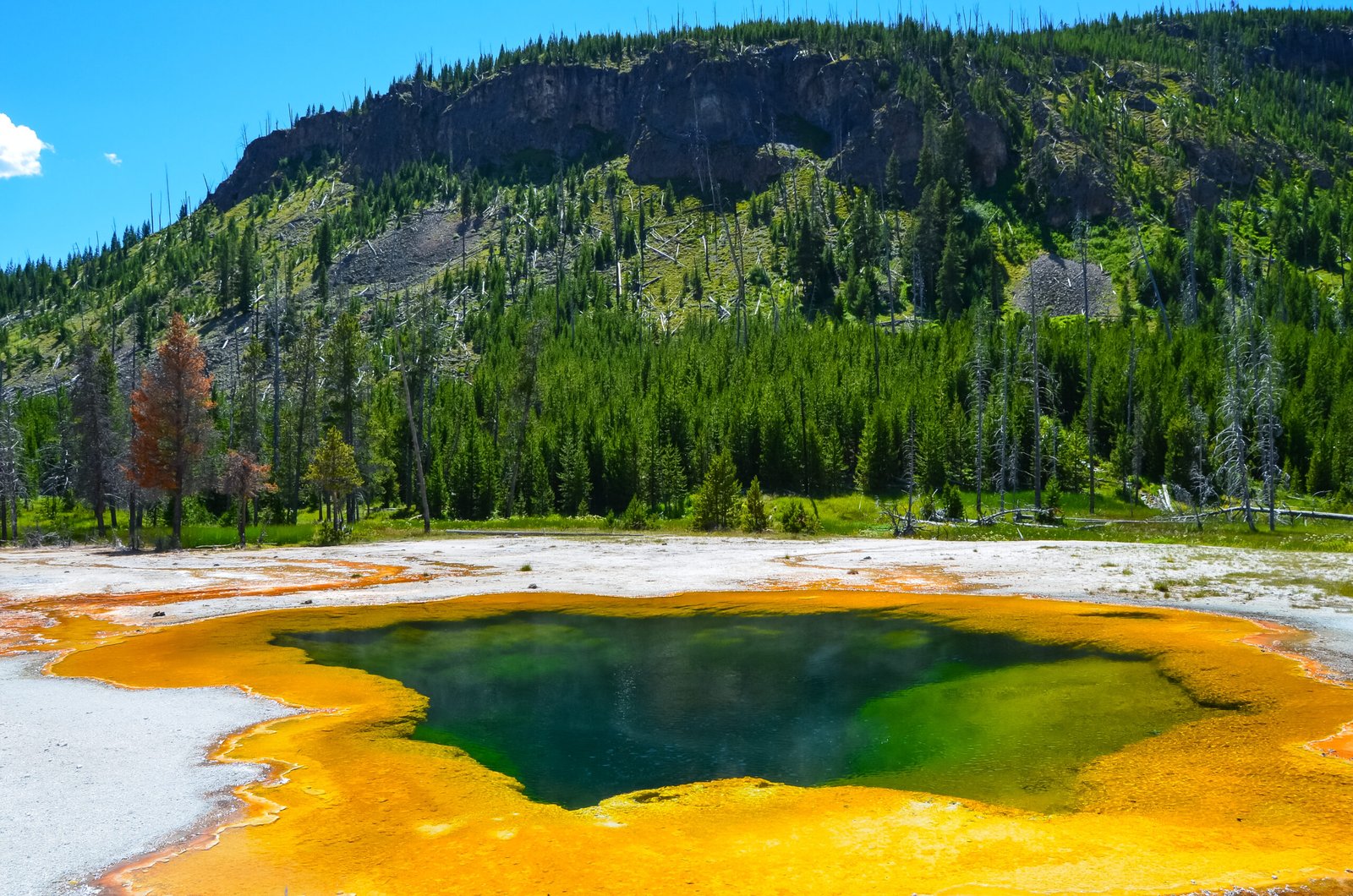
Table of Contents
ToggleIntroduction
Yellowstone National Park is renowned for its otherworldly geothermal features, from the iconic eruptions of Old Faithful to the kaleidoscopic hues of the Grand Prismatic Spring. Yet, nestled in a quiet stretch of the park’s western edge lies a smaller, more whimsical attraction: the Artists Paintpots. This hydrothermal area is a living canvas, where the Earth’s internal forces mix with surface minerals to create a palette of pastel pinks, fiery reds, and bubbling white mud. For visitors seeking a blend of accessible hiking, fascinating geology, and unique photographic opportunities, the Artists Paintpots offer an experience that is both beautiful and scientifically intriguing. This article will serve as your comprehensive guide to this Yellowstone treasure, covering everything from the science behind the colorful mud to the practical details of the trail, ensuring you are well-prepared to appreciate one of the park’s most artistic natural wonders .
The Science Behind the Palette: How Artists Paintpots Form
The Artists Paintpots are not merely colorful mud puddles; they are a dynamic demonstration of Yellowstone’s supervolcano-powered geothermal system. The area is classified as a “mudpot” or “paint pot,” a type of hydrothermal feature that forms when there is limited water supply . The process begins deep within the earth, where rising heat from the park’s underlying magma body boils groundwater. This superheated water is rich in hydrogen sulfide gas. As the gas escapes and reaches the surface, it is metabolized by subsurface microorganisms. The waste product of this process is sulfuric acid, which is highly corrosive . Over time, this acid dissolves the surrounding rhyolitic rock, breaking it down into fine particles of clay and silica.
The resulting mixture is a thick, viscous slurry of mud and water. Gases escaping through this heavy mud cause it to bubble, gurgle, and occasionally splatter, creating a symphony of sounds. The “paint” in the paintpots comes from the minerals present in the soil. The striking colors—ranging from pink and bright red to deep purple and stark white—are primarily due to the presence of iron oxides, as well as minerals like potassium and magnesium. However, the reason these colors are so vibrant is a lack of sulfur. If sulfur is abundant, it reacts with the iron oxides to form pyrite, which is a dull, charcoal-grey color. The absence of this reaction allows the beautiful, pastel iron stains to dominate, giving the area its namesake resemblance to an artist’s palette .
The Artists Paintpots Trail: A Walk Through a Thermal Wonderland
One of the most appealing aspects of the Artists Paintpots is how easily visitors can access this geothermal wonder. The trail is a short, one-mile (1.6 km) loop that begins at a dedicated parking area just south of Norris Junction . The path is a mix of bare ground and boardwalks, making it a relatively accessible adventure for families and hikers of all skill levels, though some sections do require navigating stairs and steep grades . The loop takes you through a landscape of contrasts, winding through a partially burned lodgepole pine forest—a legacy of the 1988 fires—and across a wet meadow on a boardwalk system .
The highlights of the trail are, of course, the hydrothermal features themselves. As you follow the path, you’ll be treated to views of colorful hot springs, small geysers, and the namesake “paint pots.” The activity of these mudpots can vary with the seasons and precipitation, offering a different spectacle with each visit . It is also common to see the “bobby-socks trees,” which are standing-dead trees that were killed by the mineral-rich runoff from nearby thermal features. The runoff floods the base of the trees, and the minerals plug their bases, turning them a stark white that resembles a pair of socks . At the highest point of the loop, hikers are rewarded with a panoramic view over the entire basin, providing a stunning vantage point to appreciate the full scope of this geothermal masterpiece .
A Photographer’s Dream and Visitor’s Guide
For photographers and nature enthusiasts, the Artists Paintpots are a dream destination. The contrast of the bubbling, colorful mud against the stark white of the “bobby socks trees” and the deep blue of the Wyoming sky creates endless compositional opportunities. The early morning or late afternoon light can dramatically enhance the pastel colors, making it a prime location for capturing the park’s beauty . However, a visit here requires respect for the fragile and dangerous environment. The water in these features is near boiling, often reaching temperatures of 85°C (185°F), and the ground around them is unstable . For safety, it is imperative to stay on the designated boardwalks and trails, supervise children closely, and never touch the thermal features .
FAQ: Your Questions About Artists Paintpots, Answered
Q: What exactly are the Artists Paintpots?
A: The Artists Paintpots are a geothermal area in Yellowstone National Park known for its colorful mudpots. These are acidic hot springs with a limited water supply that bubble and splatter due to escaping gases. The vibrant colors, ranging from pink to purple, are caused by iron oxides and other minerals in the soil .
Q: How long and difficult is the Artists Paintpots Trail?
A: The trail is a one-mile (1.6 km) loop that is generally considered easy. While the main loop is relatively flat and includes boardwalks, the upper portion of the trail does have some steep grades and steps . Most visitors complete the walk in under an hour.
Q: When is the best time to visit the Artists Paintpots?
A: The trail is typically accessible from late spring through fall. However, it has been subject to seasonal closures for repairs, so it is essential to check the current conditions on the National Park Service website before your visit . Early mornings and late afternoons are ideal for avoiding crowds and getting the best light for photography .
Q: Why are the mudpots different colors?
A: The colors of the mud are primarily due to the presence of iron oxides. The lack of sulfur in the water prevents the iron from turning grey, allowing the vibrant reds, pinks, and purples to be visible. The white areas are typically kaolinite, a type of clay .
Q: Is the Artists Paintpots Trail suitable for families?
A: Yes, the trail is family-friendly and well-maintained. However, it is crucial to keep children on the boardwalks and under close supervision at all times, as the hydrothermal features are dangerously hot and unstable .
Conclusion
The Artists Paintpots of Yellowstone National Park are a testament to the dynamic and creative power of our planet. Far more than just a tourist stop, this geological treasure offers a deep dive into the science of geothermal activity, presenting an easily accessible and incredibly colorful landscape that truly resembles an artist’s palette. Whether you are a seasoned geology enthusiast, a passionate photographer, or a family looking for an unforgettable hike, the Artists Paintpots provide a unique and rewarding experience. By understanding the science, respecting the safety rules, and taking in the beauty of this natural canvas, you will leave with a profound appreciation for one of Yellowstone’s most captivating masterpieces.
You may like
Travel
Peacock Flats: The Ultimate Guide to Oahu’s Rugged 4×4 Paradise and Camping Haven
Published
4 months agoon
July 6, 2026
Table of Contents
ToggleIntroduction
Tucked away in the dramatic folds of the Waianae Range on the western coast of Oahu, Peacock Flats represents one of Hawaii’s most unique and thrilling outdoor destinations. Unlike the postcard-perfect beaches that typically define the island’s image, this rugged highland area offers an entirely different kind of adventure—one that combines extreme off-roading, breathtaking panoramic views, and a genuine sense of wilderness isolation. Peacock Flats is not a destination for the casual tourist; it is a proving ground for off-road enthusiasts, a serene escape for campers willing to earn their stay, and a hidden gem for hikers and dog owners seeking a less-traveled path through Hawaii’s natural beauty. This comprehensive guide delves into everything you need to know about accessing, navigating, and enjoying this exceptional location.
The Unique Geography and Rugged Terrain of Peacock Flats
Peacock Flats is situated within the Kuaokala Forest Reserve, a vast expanse of protected land that stretches across the northern tip of the Waianae Range . The area is characterized by its steep, deeply rutted trails that challenge even the most experienced off-road drivers. The terrain is a testament to the raw power of nature, carved by relentless mountain rains that transform the landscape from dusty, manageable tracks into slippery, treacherous passages at a moment’s notice . This unpredictability is central to the Peacock Flats experience, where the weather dictates the level of difficulty. On dry days, the trails can appear almost tame, inviting drivers to explore the network of paths that wind towards the summit. However, when the rain arrives, the red Hawaiian mud turns the roads into a slick, unforgiving obstacle course that has earned the area a legendary reputation among 4×4 clubs on the island . The journey to the top rewards adventurers with unparalleled vistas overlooking Oahu’s North Shore, offering a perspective of the island’s dramatic coastline that few visitors ever witness .
The Legendary Trails: A Test of Skill and Machinery
For those who live for the thrill of off-roading, Peacock Flats is hallowed ground. The area is not just a single path but a complex web of trails, including notorious routes with evocative names like “Jeep Eater,” “Fender Biter,” and “Initiator” . These names are not whimsical; they serve as stark warnings to drivers about the potential consequences of traversing these paths. The trails are known for causing severe mechanical damage, ranging from busted axles and shredded tires to complete vehicle rollovers . The deep ruts, caused by years of rainwater runoff, can swallow a vehicle’s tires, while the narrow paths leave little room for error, often with sheer drop-offs on one side . Driving the trails at Peacock Flats requires more than just a capable vehicle; it demands mental fortitude, skillful navigation, and a well-stocked repair kit. As one veteran off-roader noted, few vehicles emerge completely unscathed, making it a true test of both man and machine .
Access and Permits: Navigating the Gate
Reaching Peacock Flats is an adventure that begins before you even hit the dirt. The primary access point is via a gate at the Kaena Point Satellite Tracking Station, a U.S. Space Force installation located across from Yokohama Bay (Keawaʻula Bay) . This location adds a layer of complexity to the visit, as access is strictly controlled. Contrary to what some might assume, military identification does not grant automatic passage. Instead, all visitors—regardless of their affiliation—must obtain a permit from the State Department of Land and Natural Resources (DLNR) .
The process involves acquiring a specific permit for the Kuaokala Forest Reserve, which can be applied for through the DLNR’s Division of Forestry and Wildlife. The application must be faxed or submitted to the Honolulu office, and processing typically occurs the next business day if submitted early in the week . It is crucial to plan ahead, as the road is occasionally closed due to heightened military security levels at the satellite tracking station, which can disrupt travel plans . The journey itself from the gate is a winding, narrow road—often just a single lane with occasional turnouts—that takes roughly an hour to ascend, offering spectacular views as you climb into the mountains .
Camping at Peacock Flats: Fees and Facilities
For those willing to navigate the challenging access, Peacock Flats offers a rewarding camping experience. At the summit of the main trail, a designated camping area awaits, complete with essential amenities like picnic tables and an outhouse . It’s a place to disconnect from the hustle of modern life and immerse oneself in the tranquility of the Hawaiian highlands. To stay overnight, a camping permit is mandatory and must be indicated on your original application . The rates for using the area are quite reasonable, with a daily use fee of just $2.50 and an overnight camping fee of $22.00 . This makes it an accessible option for families and groups looking for an affordable outdoor getaway. The campground is also noted to be accessible for wheelchairs and is considered kid-friendly, making it a surprisingly inclusive destination for such a rugged location .
A Shared Trail Experience: Hikers, Bikers, and Dog Owners
While the reputation of Peacock Flats is heavily tied to off-roading, it is a multi-use area that welcomes a diverse group of outdoor enthusiasts. Hikers, mountain bikers, and horseback riders share the trails with 4×4 vehicles, creating a vibrant and varied ecosystem of adventurers . For hikers, the trails offer strenuous climbs and rewarding views. For dog owners, the area is a particular highlight, as it is a pet-friendly destination where dogs are allowed to explore the rugged terrain alongside their owners . The availability of kid-friendly hikes also means that families can enjoy the area safely . The wide-open spaces and the sense of remoteness make it a perfect place for families and their four-legged friends to enjoy nature, provided they remain aware of their surroundings and share the trails respectfully with off-road vehicles.
Conclusion
Peacock Flats is more than just a campground or a trail system; it is a quintessential Hawaiian adventure that demands respect and preparation. It offers a unique blend of extreme off-roading, peaceful camping, and stunning natural beauty that cannot be found in more commercialized parts of Oahu. The journey requires a permit, a capable vehicle (or good hiking boots), and a spirit of adventure ready to face the unpredictable weather and rugged terrain. Whether you are a seasoned off-roader looking to conquer the “Fender Biter,” a family seeking a unique camping experience, or a dog owner looking for a spectacular hiking trail, Peacock Flats delivers an unforgettable experience. It reminds visitors of the wild, untamed heart of Hawaii, offering breathtaking views and a profound appreciation for the power of nature.
Frequently Asked Questions (FAQ)
1. Is a permit required to visit Peacock Flats?
Yes, a permit is mandatory for all visitors. You must obtain a permit from the State Department of Land and Natural Resources (DLNR) for the Kuaokala Forest Reserve before you can pass through the gate at the Kaena Point Satellite Tracking Station. A military ID does not grant access without this permit .
2. What are the fees for camping at Peacock Flats?
The daily use fee is $2.50 per person. If you plan to camp overnight, the camping fee is $22.00 per night .
3. Is Peacock Flats accessible with a regular two-wheel-drive vehicle?
Generally, no. The road is accessible only to four-wheel-drive (4×4) vehicles, especially as the terrain becomes treacherous and muddy when wet. Some sources suggest a 2WD might be possible in very dry conditions, but it is not recommended . The trails are known for causing damage to vehicles .
4. Are dogs allowed at Peacock Flats?
Yes, dogs are allowed at Peacock Flats, making it a popular destination for dog owners who want to hike and explore the outdoors with their pets .
5. What can I expect from the camping facilities at Peacock Flats?
The campground is located at the top of the main trail and offers picnic tables and an outhouse. It is considered kid-friendly and is noted to be accessible for wheelchairs .
Travel
Conquering the Makapuʻu Tide Pools: A Guide to Oahu’s Hidden Volcanic Gems
Published
4 months agoon
July 6, 2026
Table of Contents
ToggleIntroduction
Oahu’s southeastern coastline is a tapestry of dramatic sea cliffs, turquoise waters, and ancient volcanic rock. Among its most captivating—and challenging—attractions are the Makapuʻu Tide Pools, a series of natural saltwater basins carved into the black volcanic shoreline. Accessible via a detour from the popular Makapuʻu Point Lighthouse Trail, these hidden gems offer an unparalleled adventure for those willing to trade a paved path for a rocky scramble . This guide serves as your comprehensive resource, providing everything you need to know to safely experience the raw beauty of these geological wonders. From understanding the perilous descent to knowing the best times for the clearest water, we cover the essentials to ensure your visit is as safe as it is memorable.
The Dual Nature of the Makapuʻu Trail
The journey to the Makapuʻu Tide Pools is a tale of two trails. The first part is deceptively simple. The Makapuʻu Point Lighthouse Trail is a 1.2-mile (2-kilometer) stretch of entirely paved road that ascends gradually to the historic lighthouse. It is an accessible hike suitable for most fitness levels, offering panoramic views of the Pacific, the Koko Head crater, and, on clear days, the neighboring islands of Molokai and Lanai . This portion is a favorite for families and casual hikers, with the winter months providing a spectacular bonus: the chance to spot humpback whales breaching in the waters below .
However, the path to the tide pools marks a stark departure from the family-friendly pavement. To reach the pools, hikers must veer off the main trail at the third rest stop, embarking on a steep and challenging descent over loose, uneven terrain . This is not a managed trail but a rugged scramble that requires physical stamina and surefootedness. The descent is approximately 90 meters and is characterized by unstable footing, making it a risky endeavor for those without hiking experience. Authorities and experienced guides strongly advise against this trek for children, the elderly, or anyone with mobility issues .
A Window into the Earth’s Fiery Past
Descending to the shoreline is like walking into a natural museum of volcanic history. The tide pools are forged from dark, jagged black rock, a testament to the area’s fiery origins. Formed by eruptions from the Koʻolau Volcano between 1.8 and 3 million years ago, the lava flows here have been sculpted by centuries of relentless wave action . For the geology enthusiast, the area is a treasure trove of volcanic features, including weathered lava ropes, cinders, and basalt rich with the green mineral olivine . The very texture of the coastline tells the story of Oahu’s formation, making the hike down a journey not just to the water’s edge, but millions of years into the past.
Marine Life and Ethereal Beauty
Once you safely navigate the descent, you are rewarded with a sight that feels otherworldly. The Makapuʻu Tide Pools are not just puddles of water; they are thriving micro-ecosystems. The clear, calm waters of the pools host a diverse array of marine life, including colorful reef fish, small crabs, sea stars, and hermit crabs . The area is also known as a sanctuary for the endangered Hawaiian monk seal, offering the rare, privileged chance to see one resting on the shore . The pools themselves vary in size and depth, with some providing a surprisingly deep and clear basin perfect for a refreshing swim . On a calm day with the sun directly overhead, the water transforms into a crystalline, turquoise blue, creating a serene oasis for snorkeling and observation . The experience is often made even more magical by the backdrop of the ocean, where lucky visitors can watch humpback whales breach in the distance from the safety of the pool .
The Essential Safety Protocols for Visiting
The beauty of the Makapuʻu Tide Pools comes with an invisible danger that must be taken with the utmost seriousness. This is not a state-maintained swimming pool; it is a wild ocean environment. The most critical rule is never to turn your back on the ocean. The coastline is subject to “sneaker waves”—unpredictable surges that can suddenly rush up the rocks with immense force, easily sweeping an unsuspecting visitor into the churning sea . The rocks surrounding the pools are perpetually slick from salt spray and ocean mist, making falls a constant hazard . Serious injuries and even deaths have occurred in this area. It is imperative to check the surf report and tide chart before attempting the descent. Visiting during high tide or when the surf is three feet or higher is highly dangerous, as the waves can completely wash over the pools . To maximize safety, plan your visit for a morning with low tide and calm conditions .
How to Get There and Essential Gear
Finding the trailhead for this adventure is straightforward. The Makapuʻu Point Lighthouse Trail is located off the Kalanianaole Highway (Highway 72) on Oahu’s southeastern coast, about 16 miles (26 kilometers) from downtown Honolulu . The parking area is a large free lot at the base of the lighthouse trail, though it opens at 7:00 AM and can fill up quickly, especially on weekends . To avoid the midday heat and the worst of the crowds, an early morning arrival is highly recommended.
The gear you choose can be the difference between a memorable adventure and a trip to the emergency room. Sturdy, closed-toe hiking shoes with excellent traction are non-negotiable . Sandals or flip-flops are a recipe for disaster on the uneven lava rock. Other essentials include plenty of water, a hat, high-SPF sunscreen, and a fully charged phone for emergencies. While the tide pools are a photographer’s dream, be sure to protect your camera equipment from the salt spray and powerful winds, which can be relentless . Following the principles of “Leave No Trace” is also vital—ensure you pack out every single piece of trash to preserve the pristine nature of this sacred and dangerous place .
Conclusion
The Makapuʻu Tide Pools represent the quintessential Hawaiian adventure: breathtaking beauty that demands respect. It is a place where the rewards—swimming in crystal-clear volcanic pools, observing vibrant marine life, and witnessing the raw power of the ocean—are hard-won. However, this reward is contingent upon a deep understanding of the inherent risks. The journey is not for everyone, and it is a destination that should be approached with careful preparation, proper gear, and a humble respect for the ocean. By heeding the warnings and following the safety guidelines, you can ensure that your exploration of Oahu’s eastern shore is a story of triumph and discovery, not tragedy.
Frequently Asked Questions (FAQ)
1. How hard is the hike to the Makapuʻu Tide Pools?
The hike to the tide pools is considered extremely challenging and dangerous. While the initial lighthouse trail is paved and easy, the side trail to the pools is a steep, unmaintained scramble down loose, slippery volcanic rock. It is only recommended for experienced hikers in good physical condition .
2. Is the hike to the tide pools safe for children or elderly visitors?
No. Due to the extreme drop-offs, slippery rocks, and unpredictable waves, this trail is strongly discouraged for young children, elderly individuals, or anyone with mobility issues. Serious injuries and fatalities have occurred at this location . For safer tide pool experiences, consider alternative locations nearby.
3. What is the best time of day to visit the Makapuʻu Tide Pools?
The ideal time is early morning. This allows you to avoid the intense midday heat and crowds. Swimming is also best in the morning when the water tends to be warmer and the sun illuminates the pools for optimal visibility . It is critical to go during low tide and when the surf is calm .
4. What marine life can I see in the tide pools?
The pools are teeming with small marine life. Visitors often see colorful reef fish, crabs, sea stars, and hermit crabs . Lucky visitors might also spot an endangered Hawaiian monk seal resting on the rocks in the area .
5. What should I wear and bring for this hike?
Essential gear includes: hiking shoes with good grip (no sandals), plenty of water, sunscreen, a hat, and a camera (protected from salt spray) . Always check the weather and surf conditions before you go and never turn your back on the ocean.
Travel
Oahu Must-Do: 15 Epic Experiences for the Ultimate Hawaiian Island Getaway
Published
4 months agoon
July 6, 2026
Table of Contents
ToggleIntroduction
Oahu, known as the “Gathering Place,” is the vibrant heart of Hawaii, a stunning island that masterfully blends the energetic pulse of modern city life with the profound serenity of ancient Polynesian culture. For many, this is the quintessential Hawaiian experience, a place where the iconic surf breaks of the North Shore meet the solemn history of Pearl Harbor, and where world-class dining exists alongside sacred cultural sites .
Planning a trip to this paradise can be overwhelming; with so many incredible sights and activities, it’s easy to feel like you might miss out on the very best the island has to offer. This guide is designed to solve that problem. We have curated the definitive list of “Oahu must-do” experiences, blending the top-rated tours and attractions with hidden gems recommended by locals. Whether you are a first-time visitor eager to check off the “must-sees” or a returning traveler looking to delve deeper into the island’s rich culture, this article will ensure your journey is nothing short of extraordinary. Prepare to explore ancient temples, hike volcanic craters, feast on traditional cuisine, and create memories that will last a lifetime.
Unveiling the Top Oahu Attractions
1. Hike to the Summit of Diamond Head (Lē‘ahi)
No visit to Oahu is complete without conquering the iconic Diamond Head State Monument. This dormant volcanic crater, known as Lē‘ahi to Native Hawaiians, is the most recognizable landmark on the island . The trail to the summit is a relatively short but steep trek, taking you through a tunnel and up a series of stairways to the rim of the crater. The reward is an unparalleled, panoramic view of the Waikiki skyline, the shimmering Pacific Ocean, and the rugged coastline. It’s the perfect way to start your day, especially if you go early in the morning to beat the heat and the crowds .
2. A Journey Through History at Pearl Harbor
For a profound and moving experience, a visit to the Pearl Harbor National Memorial is essential. This historic site offers a deep dive into the events of December 7, 1941, and World War II. The centerpiece of the memorial is the USS Arizona Memorial, a solemn structure built over the sunken battleship that serves as a final resting place for many of the sailors who lost their lives . To fully appreciate the scale of the history, consider booking a tour that also includes the Battleship Missouri Memorial, where the war officially ended, and the Pearl Harbor Aviation Museum, which houses a collection of vintage aircraft .
3. Experience an Authentic Hawaiian Luau
To truly immerse yourself in Hawaiian culture, attending a luau is an absolute must. This is more than just a dinner; it is a vibrant celebration of Polynesian heritage through music, dance, and a traditional feast. A luau features captivating performances, including the famous hula and the thrilling fire knife dance, alongside a delicious meal of kalua pig, poi, and other local delicacies . For a highly authentic experience, consider the Toa Luau at Waimea Valley, which is Native Hawaiian-owned and offers a deep cultural connection in a stunning botanical setting .
4. Discover Movie Magic at Kualoa Ranch
The dramatic, lush landscapes of Oahu have served as the backdrop for countless Hollywood blockbusters. At Kualoa Ranch, a 4,000-acre working cattle ranch, you can step into the world of your favorite films. Nestled in the beautiful Ka‘a‘awa Valley, the ranch is famously known for its appearances in the Jurassic Park franchise . Visitors can choose from a variety of tours, including ATV, horseback, and movie site tours, to explore the valley’s stunning scenery and see iconic film locations firsthand .
5. Snorkeling and Marine Adventures
Oahu’s crystal-clear waters are teeming with vibrant marine life, making snorkeling one of the top activities. The island offers a range of incredible experiences, from swimming with wild dolphins on the west coast to exploring the vibrant coral reefs of Hanauma Bay . For a unique perspective, consider a kayaking tour to the Mokulua Islands (locally known as “The Mokes”), a pair of picturesque islets off the coast of Lanikai. This adventure offers calm waters and the chance to see sea turtles and monk seals .
Top Recommended Tours and Activities
For those seeking a more structured and informative experience, numerous tours offer in-depth exploration of the island’s highlights.
Circle Island Tours: This is the ultimate Oahu sightseeing experience, allowing you to see the entire island in a single day. Departing from Waikiki, these tours circumnavigate the island, stopping at famous attractions like the Halona Blowhole, Makapuu Point, the North Shore, Hanauma Bay, and the Dole Plantation . It’s a fantastic way to get your bearings and see the diverse landscapes Oahu has to offer.
Waikiki Sunset Sails: Experience the magic of a Hawaiian sunset from the water. A sunset sailing tour from Waikiki offers stunning views of the coastline and the iconic Diamond Head. As you cruise along the shore, you might even spot marine life like whales or dolphins, all while enjoying the vibrant colors of the evening sky .
Helicopter Tours: For a truly unforgettable perspective, take to the skies on a helicopter tour. This is the only way to see the island’s most inaccessible natural wonders, like the Sacred Falls, and to fully appreciate the sheer scale and beauty of the Ko‘olau Mountains and the coastline . The bird’s-eye view of Oahu’s landmarks is an experience you won’t soon forget.
Cultural and Local Experiences
Delving into History at Iolani Palace
For a deep understanding of Hawaii’s unique heritage, a visit to I‘olani Palace is indispensable. Located in downtown Honolulu, this is the only official royal residence on American soil and was the home of the last reigning monarchs of the Hawaiian Kingdom . A tour of the palace offers a glimpse into the opulent and tragic history of the Hawaiian monarchy, showcasing restored furnishings, intricate koa woodwork, and stories of the kingdom’s ultimate overthrow .
Embrace the Aloha Spirit: Local Recommendations
To truly connect with the island, it’s important to engage with the community respectfully and support local businesses. A great way to do this is by visiting farmers markets, where you can find fresh tropical fruit and locally made snacks . Embracing sustainable tourism practices, such as volunteering with an Aloha ‘Āina organization that focuses on land conservation, can also enrich your experience .
Where to Eat and Shop Like a Local
Oahu’s culinary scene is a delicious melting pot of cultures. Instead of sticking to tourist traps, seek out locally owned eateries. For a taste of classic Hawaiian comfort food, try Helena’s Hawaiian Food, or head to Tanioka’s Seafoods for incredible poke . For shopping, explore markets that feature Native Hawaiian artisans, like the Ho‘omau Hawaii Market or the Aloha Home Market in Kailua, where you can find unique, handcrafted souvenirs and support the local economy directly .
FAQs
Q: When is the best time to visit Oahu?
A: While the weather is pleasant year-round, the best time to visit Oahu is during the spring (March to early June) and fall (September to early December) shoulder seasons. During these months, you’ll avoid the peak crowds and high rates of summer and winter, while still enjoying beautiful weather with temperatures ranging from 70°F to 88°F .
Q: Is it necessary to rent a car on Oahu?
A: While Oahu has a public bus system, TheBus, it can be time-consuming for getting around the entire island. If you plan to explore beyond Waikiki and Honolulu, particularly the North Shore or the Windward Coast, renting a vehicle is highly recommended for a convenient and flexible experience . Within Waikiki, a trolley is a great option for getting to nearby attractions.
Q: What is the most iconic hike on Oahu?
A: The most famous and iconic hike on Oahu is the trek to the summit of Diamond Head (Lē‘ahi). It offers incredible panoramic views of Waikiki and the coastline. It’s best to go early in the morning to avoid the heat and the crowds .
Q: Can I swim with dolphins in Oahu?
A: Yes, many snorkeling excursions on Oahu’s west coast offer the opportunity to swim with wild dolphins in their natural habitat. This is a magical experience, and tours are typically offered early in the morning for the best chance to see them .
Q: What is a luau and why should I go?
A: A luau is a traditional Hawaiian feast and celebration featuring Polynesian music, dance (including hula and fire knife dancing), and a buffet of local foods. It is one of the best ways to immerse yourself in the culture and is considered a top “must-do” activity for visitors on Oahu .
Conclusion
Oahu is not just a destination; it is an experience that resonates with the soul. From the breathtaking views atop Diamond Head to the solemn reverence of Pearl Harbor, and from the vibrant energy of a luau to the tranquil beauty of the Byodo-In Temple, the “Gathering Place” offers an incredible array of adventures for every kind of traveler. It’s an island that invites you to learn its history, embrace its culture, and respect its natural beauty. By exploring both the world-famous attractions and the local gems recommended in this guide, you will not only witness the beauty of Oahu but feel the powerful spirit of Aloha. Your journey to this tropical paradise promises to be an unforgettable chapter in your own story, a perfect blend of adventure, relaxation, and profound cultural discovery.

adidas Protour 3.4 Backpack: Complete Guide, Features, Size and Review
2025 Hyundai Palisade: Complete Guide to Features, Performance, Interior, and Pricing

Half-Kneeling Hip Flexor Stretch: Benefits, Proper Form, and How to Do It

Randy Jurado Ertll: A Voice for the Voiceless and the Magic of Salvadoran Storytelling

Conquering the ʻAihualama Trail: Your Ultimate Guide to Oahu’s Hidden Rainforest Gem

The Ultimate Guide to the Film “Safe Haven” (Тихая гавань) 2013: A Deep Dive into the Romantic Thriller
Trending
 Entertainment3 months ago
Randy Jurado Ertll: A Voice for the Voiceless and the Magic of Salvadoran Storytelling
- Nature4 months ago
Conquering the ʻAihualama Trail: Your Ultimate Guide to Oahu’s Hidden Rainforest Gem
- Entertainment4 months ago
The Ultimate Guide to the Film “Safe Haven” (Тихая гавань) 2013: A Deep Dive into the Romantic Thriller
- Travel4 months ago
Conquering the Makapuʻu Tide Pools: A Guide to Oahu’s Hidden Volcanic Gems
- Business4 months ago
Workflowy Templates: The Ultimate Guide to Mastering Productivity in 2026
- Business4 months ago
The Definitive Guide to WXXM Madison: From Progressive Talk to Rewind 92.1
- Fashion4 months ago
Baddie Hub: The Rise of the Internet’s Confidence-Driven Aesthetic Culture in 2026
- Fashion4 months ago
Caleb Goddard: The Diplomat Who Redefined Legacy Beyond Hollywood’s Spotlight