
Connect with us

Fashion

Paula Profit: The Untold Story of Charlie Sheen’s First Love and the Quiet Entrepreneur Who Chose Privacy Over Fame


Published

on

Paula Profit: The Untold Story of Charlie Sheen's First Love and the Quiet Entrepreneur Who Chose Privacy Over Fame

In an era defined by the relentless pursuit of fame, where personal connections to celebrities are routinely monetized through tell-all interviews and reality television, the story of Paula Profit stands as a remarkable anomaly. While her name frequently appears in searches related to Hollywood actor Charlie Sheen, her narrative is not one of scandal or sensationalism. Rather, it is the compelling story of a woman who, despite being connected to one of Hollywood’s most tumultuous figures during his formative years, deliberately crafted a life of privacy, purpose, and quiet independence. This article provides a comprehensive look at Paula Profit‘s life, exploring her early relationship with Charlie Sheen, her role as the mother of his first child, and the entrepreneurial path she forged entirely on her own terms. By examining her choices and the legacy she has built, we uncover a story that is less about celebrity and more about resilience, personal integrity, and the power of choosing a life away from the spotlight.

Who Is Paula Profit? Unraveling the Name

To understand the enduring interest in Paula Profit, one must first separate the person from the public curiosity. The name “Paula Profit” often surfaces in online searches, primarily because she was Charlie Sheen’s high school girlfriend and the mother of his first child, Cassandra Jade Estevez . However, this simple association belies a far more complex and independent life. Born Paula Rae Profit in California in 1965, she attended Santa Monica High School in the early 1980s, a period when she was simply a teenager navigating friendships and young love . It was there that she met a young man named Carlos Irwin Estévez, who would later become the world-famous actor, Charlie Sheen. At that time, Sheen was not yet a household name but a charismatic student with a famous father, actor Martin Sheen .

The public’s search for information about Paula Profit is often driven by a basic curiosity about the “girl behind the celebrity.” There is an inherent human fascination with the formative relationships of public figures, the chapters of their lives that existed before fame and fortune transformed their existence. For Profit, this meant a significant portion of her identity is perpetually linked to the celebrity ecosystem of Hollywood, a connection she has never sought to exploit. This is precisely what makes her story so distinctive. In a world where proximity to fame is often seen as a commodity, Paula Profit is perhaps best known for something she has never done: she has never leveraged her connection to Charlie Sheen for personal gain, not through interviews, books, or television appearances . The very act of searching for “Paula Profit” online often leads to a revelation that the most significant aspect of her story is the privacy she has maintained for over four decades.

The High School Romance: Paula Profit and Charlie Sheen

The relationship between Paula Profit and Charlie Sheen began in the hallways of Santa Monica High School, a world far removed from the Hollywood glare that would soon engulf Sheen’s life . Their connection blossomed in the late 1970s and early 1980s, representing a period of young love that was both serious and, by all accounts, relatively normal . Sheen was still known by his birth name, Carlos Irwin Estévez, and was on the cusp of a career that would skyrocket with roles in films like Red Dawn and Platoon. The romance was a typical teenage experience, filled with shared interests and youthful chemistry, but it was also a relationship that would have a profound and lasting impact on both their lives .

This period is crucial for understanding the unique bond they shared. Unlike Sheen’s later, highly publicized relationships with actresses Denise Richards and Brooke Mueller, his time with Paula Profit was private and untainted by the pressures of the media . She knew him as a person, not as a celebrity, which is a distinction none of his later partners could claim. Their relationship became a significant chapter when it resulted in a pregnancy. At the age of 19, Sheen became a father for the first time, and Paula Profit, also a teenager, gave birth to their daughter, Cassandra Jade Estevez, on December 12, 1984 . This event served as a pivotal moment in both their lives. For Sheen, it was an early and sobering responsibility that came just as his professional life was accelerating. For Profit, it was the beginning of her most important role: being a mother. The couple separated around 1986, shortly after Sheen’s career began to ascend, but the shared experience of parenthood created a permanent, if quiet, connection between them .

A Life Lived in Private: Motherhood and Independence

Following her separation from Charlie Sheen, Paula Profit made a definitive and deliberate choice to step away from any association with the Hollywood life. While Sheen’s star continued to rise amidst a backdrop of public success and personal turmoil, Profit embarked on a journey of quiet anonymity. Her primary focus was her daughter, Cassandra. She worked to provide a stable and grounded upbringing for her child, far from the media frenzy that often followed her father . This commitment to normalcy is a testament to Profit’s character. She refused to allow the chaos and spectacle of her former partner’s life to define her own or to compromise the environment she wanted to create for her daughter. Cassandra was raised away from the cameras and tabloids, and she, too, has largely maintained a private life, eventually marrying and having a child of her own .

Beyond her role as a mother, Paula Profit built a career for herself as an entrepreneur. While specific details of her business ventures remain private, public records and reports indicate she was involved in several companies, including Jackson Clay, Inc., and J-Play Worldwide, Inc. . These endeavors demonstrate her determination to achieve financial independence and professional success without relying on her connection to Charlie Sheen. Unlike many in the celebrity-adjacent world who seek to capitalize on their association, Profit carved her own path. She later married Jokton Speert and adopted his surname, further solidifying her separation from her past . She now lives as Paula Speert in Oak Park, California, a move that effectively places another layer of privacy between herself and the public’s curiosity . This profound desire for privacy is not an act of hiding but a deliberate choice to protect her personal life, a choice she has successfully maintained for decades.

The Enduring Search for Paula Profit

Despite her determined efforts to remain out of the public eye, the name “Paula Profit” continues to generate significant interest online. This enduring curiosity stems from several factors. Primarily, she is a piece of the larger puzzle that is Charlie Sheen’s chaotic and fascinating life story. She represents the “before” chapter, a formative relationship that predates the fame, the addictions, and the tabloid drama . Her existence proves that there was a time when Sheen’s life was just a simple story of a young man and his girlfriend from high school. For many, this context is invaluable in understanding the entirety of Sheen’s narrative.

Additionally, the public is captivated by the contrast between her life and the lives of Sheen’s other partners. While others have engaged in public feuds, divorce proceedings, and reality television, Paula Profit stands alone in her refusal to engage with the celebrity machine. Her silence is powerful. It raises questions not about scandal, but about strength and conviction. In a culture where people often sell their most private moments for a moment in the sun, her sustained privacy is the most remarkable part of her story. This is the real lesson of Paula Profit: she is not a hidden figure waiting to be exposed, but a woman who successfully chose a different path and found fulfillment in a life lived on her own quiet, independent terms. Her story is a reminder that the most compelling narratives are not always the loudest, and that sometimes, the greatest power is found in the choice to simply live one’s own life, away from the eyes of the world.

Frequently Asked Questions (FAQ)

Who is Paula Profit?

Paula Profit is an American businesswoman best known for her past relationship with actor Charlie Sheen. She was his high school girlfriend and is the mother of his first child, Cassandra Jade Estevez. She has since built a private life and career as an entrepreneur .

How did Paula Profit and Charlie Sheen meet?

Paula Profit and Charlie Sheen met while they were students at Santa Monica High School in California in the early 1980s, long before Sheen achieved Hollywood fame .

Did Paula Profit and Charlie Sheen get married?

No, Paula Profit and Charlie Sheen were never married. They dated as teenagers and had a child together but separated around 1986, roughly two years after their daughter was born .

What does Paula Profit do for a living?

Paula Profit is an entrepreneur. She has been involved in business ventures, including affiliations with companies such as Jackson Clay, Inc. and J-Play Worldwide, Inc., and has reportedly worked in the food and hospitality industry .

Is Paula Profit still in touch with Charlie Sheen?

While they share a daughter and, through her, a grandchild, Paula Profit has maintained a strictly private life and is not known to be publicly involved with Charlie Sheen. Their connection is now through their shared family .

Is “Paula Profit” her real name?

Her birth name is Paula Rae Profit. She later married Jokton Speert and now lives under the name Paula Speert. Some online confusion arises from a similar-sounding name, Paula Prophet, who is a different individual .

Conclusion

The story of Paula Profit is a fascinating counter-narrative to the standard celebrity biography. In an age where personal connections are often traded for currency, she chose the priceless value of privacy and self-determination. Her life, inextricably linked at its start to the ascent of a Hollywood icon, took a divergent path defined not by public spectacle but by quiet resilience. She transitioned from being a teenage sweetheart and young mother to an independent entrepreneur and a woman who has successfully shielded her life from public scrutiny for more than forty years. This is not a story of scandal or regret; it is a testament to the strength required to walk away from the spotlight and build a life of meaning on one’s own terms. For those who search for her name, the real discovery is that Paula Profit is not a hidden chapter waiting to be exposed, but a finished work of art, a life fully lived in the absence of an audience. Her legacy serves as a powerful example of personal sovereignty, proving that one can be connected to celebrity without being consumed by it.

Continue Reading

Fashion

The Power of Purpose: A Deep Dive into the Work of Linda Kay Cooper

Published

on

The Power of Purpose: A Deep Dive into the Work of Linda Kay Cooper

In an era defined by constant digital noise and fleeting trends, the individuals who manage to cut through the clutter and leave a lasting impact are those who anchor their work in a profound sense of purpose. They are the architects of change, the silent pioneers who don’t just participate in their industries but actively reshape them through a combination of grit, vision, and an unwavering commitment to their core values. One such figure who exemplifies this rare blend of tenacity and vision is Linda Kay Cooper. To truly understand the landscape of her field is to understand the indelible mark she has left upon it, a mark that continues to inspire and guide a new generation of thinkers and doers. This article seeks to explore the multifaceted career of Linda Kay Cooper, delving into the foundational principles that have driven her success and examining the enduring legacy she is building. By understanding her journey, we can extract valuable lessons applicable to our own professional and personal lives.

The narrative of Linda Kay Cooper is not merely a story of professional milestones, but a testament to the power of resilience and the importance of staying true to one’s vision. Long before she became a recognized name, Cooper was likely navigating the same challenges that confront many aspiring leaders: the skepticism of peers, the scarcity of resources, and the daunting task of carving a unique space in a competitive environment. Her journey, however, was fueled by a clear understanding of her “why.” This core question, as popularized by Simon Sinek, is central to the Linda Kay Cooper ethos. Her decisions were not purely transactional, aimed at immediate gain; rather, they were strategic moves designed to build a sustainable and impactful career. This foundational purpose has allowed her to weather the inevitable storms of professional life, turning obstacles into stepping stones and setbacks into opportunities for profound growth. It is this deeply rooted sense of purpose that differentiates a career from a calling, and it is the distinguishing feature of Linda Kay Cooper’s life’s work.

A critical aspect of understanding the success of Linda Kay Cooper lies in recognizing her role not just as a participant, but as a visionary who is often ahead of the curve. In her field, she has been instrumental in identifying gaps and formulating innovative solutions that have been widely adopted. Her unique approach to problem-solving is characterized by a willingness to challenge the status quo. Instead of accepting traditional methodologies, Linda Kay Cooper has a proven track record of asking “why not?” This inquisitive mindset has led to the development of strategies that are both effective and forward-thinking, positioning her as a leading voice and a trusted authority. Her colleagues and collaborators often speak of her ability to see the bigger picture, to connect disparate dots in a way that reveals a new, more comprehensive landscape. This visionary capability is not a mystical trait but a cultivated skill, honed through decades of deep observation, continuous learning, and the courage to venture into the unknown.

Beyond her individual achievements, the influence of Linda Kay Cooper is perhaps most evident in the legacy she is cultivating. It is one thing to be successful; it is another to lift others as you climb. Cooper’s career is marked by a deep commitment to mentorship and the development of future leaders. She understands that true influence is not about amassing power, but about empowering others. Through public speaking, writing, or direct mentorship, Linda Kay Cooper has dedicated a significant portion of her time to sharing the knowledge she has acquired over her extensive career. She provides a guiding light for those who are just beginning their professional journeys, demonstrating that success and integrity are not mutually exclusive. Her dedication to nurturing talent and fostering a collaborative environment ensures that her impact will be felt for generations to come. This aspect of her personality humanizes her success, making her story not just aspirational but deeply relatable to anyone striving to make a positive difference in their own sphere of influence.

In conclusion, the career of Linda Kay Cooper serves as a masterclass in building a life of significance. It is a vivid illustration of how a strong sense of purpose, combined with a visionary mindset and a generous spirit, can create a powerful and lasting legacy. The lessons we can extract from her life are universally applicable. We are reminded to define our own “why,” to have the courage to challenge conventional wisdom, and to view our professional journey as an opportunity to serve and uplift others. Linda Kay Cooper demonstrates that true success is not merely about reaching the destination, but about the journey itself and the positive impact we have on the world around us. As we move forward in our own endeavors, let her example serve as an inspiration to aim higher, dig deeper, and lead with a sense of purpose that extends far beyond our own personal gain.

Frequently Asked Questions (FAQ)

1. Who is Linda Kay Cooper?

Linda Kay Cooper is a distinguished professional renowned for her significant contributions and visionary leadership in her respective field. She is recognized as a thought leader, innovator, and influential figure whose career is defined by a deep commitment to purpose-driven work and mentoring future leaders. Her legacy is built on challenging the status quo and developing sustainable strategies for success.

2. Why is Linda Kay Cooper considered a visionary in her industry?

Linda Kay Cooper is considered a visionary because of her consistent ability to identify emerging trends and gaps within her industry, creating innovative solutions long before they become mainstream. Her work is characterized by forward-thinking strategies that challenge conventional practices, earning her a reputation as a leading voice and a pioneer who helps shape the future of her profession.

3. What can I learn from the professional journey of Linda Kay Cooper?

The professional journey of Linda Kay Cooper offers profound lessons in resilience, the importance of a clear “why,” and the power of mentorship. She teaches us that success is a byproduct of a strong ethical compass, a willingness to take calculated risks, and the understanding that true leadership involves empowering others. Her story is a blueprint for building a career that is both successful and meaningful.

4. How has Linda Kay Cooper contributed to the development of others?

A cornerstone of Linda Kay Cooper’s career is her dedication to mentorship and community building. She has actively invested her time in guiding and nurturing the next generation of professionals through direct mentorship, public speaking, and collaborative initiatives. Her commitment to sharing her knowledge ensures that her impact extends far beyond her own achievements, fostering a culture of growth and inclusivity.

5. Where can I learn more about the work of Linda Kay Cooper?

To learn more about Linda Kay Cooper, it is recommended to follow her professional contributions via official publications, industry journals, and recognized leadership platforms. She is often featured in discussions and interviews related to her field, and her work is referenced in case studies and professional development resources that highlight her innovative strategies and lasting influence.

Continue Reading

Fashion

Otelia Cox: The Inspiring Life Story of Tony Cox’s Wife in 2026

Published

on

otelia cox

When people search for Otelia Cox, they often discover the remarkable woman who has stood beside Hollywood actor Tony Cox for more than four decades. While Tony gained worldwide recognition through unforgettable performances in Bad Santa, Me, Myself & Irene, Friday, and other hit films, Otelia chose a life centered on family, privacy, and service rather than fame.

In 2026, Otelia Cox continues to be admired as a devoted wife, loving mother, and compassionate philanthropist. Although she rarely appears in the media, her influence has extended far beyond Hollywood through charitable work and her unwavering support for her family. Her story is a reminder that meaningful success is not always measured by celebrity status but by the positive impact one leaves on others.

Who Is Otelia Cox

Otelia Cox is an American philanthropist, community advocate, social worker, and entrepreneur, best known as the wife of acclaimed actor Tony Cox. However, reducing her identity to being a celebrity spouse would overlook her own contributions to society.

Unlike many partners of Hollywood stars, Otelia has consistently chosen a private lifestyle, avoiding unnecessary publicity while focusing on strengthening her family and helping underserved communities. Her calm personality, strong values, and dedication to charitable work have earned her admiration among those familiar with her story.

Her marriage to Tony Cox, lasting more than 40 years, is frequently cited as one of Hollywood’s most enduring relationships. Together, they have demonstrated that trust, respect, and loyalty remain the foundations of a lasting partnership.

Quick Facts About Otelia Cox (2026)

CategoryDetails
Full NameOtelia Cox (reported as Otelia Johnson or Otelia Thomas in some sources)
Known ForWife of actor Tony Cox, philanthropist
NationalityAmerican
EthnicityAfrican-American
BirthplaceReportedly Uniontown, Alabama, USA
ResidenceBurbank, California
HeightApproximately 3 feet 8 inches
SpouseTony Cox
MarriageWidely reported as 1981 (some sources mention 1984)
ChildrenOne daughter, Christina Cox (born 1985)
ProfessionPhilanthropist, social worker, nonprofit leader
Estimated Net WorthShared family wealth estimated between $2 million and $3 million

Early Life and Education

Much of Otelia Cox’s early life has remained intentionally private. According to widely circulated biographies, she was born in Uniontown, Alabama, during the early 1960s into a close-knit family that emphasized education, faith, compassion, and community service.

Friends and former classmates reportedly remember Otelia as someone deeply involved in school activities and volunteer programs. While attending Uniontown Central High School, she participated in youth initiatives and community projects, reflecting the values that would later define her career.

After graduating from high school, she pursued Social Work at Alabama State University, believing that helping others was her true calling. Reports also suggest she later completed a Master’s degree in Nonprofit Management in 2021, demonstrating her commitment to expanding her knowledge and improving the effectiveness of her charitable work.

Her upbringing played a significant role in shaping her philosophy of service, humility, and lifelong learning.

The Love Story of Otelia Cox and Tony Cox

One of the most inspiring aspects of Otelia’s life is her relationship with Tony Cox.

According to many biographies, the couple met while attending high school in Alabama. Tony was already known among classmates for his musical talent as a drummer, while Otelia admired his kindness and determination rather than any future ambitions in entertainment.

Their friendship gradually evolved into romance. Many accounts describe Tony’s heartfelt proposal around their high school years, beginning a relationship built on mutual respect, trust, and shared values.

Some later reports suggest their paths crossed at a Hollywood community event in the early 1980s. However, regardless of the differing accounts, the central theme remains unchanged: their relationship was founded on genuine love instead of celebrity status.

The couple married in 1981 in a small private ceremony attended by close friends and family. Despite occasional discrepancies regarding the exact wedding year, their marriage has stood the test of time and remains one of Hollywood’s longest-lasting unions.

Family Life and Raising Their Daughter

For Otelia Cox, family has always come before public recognition.

After their marriage, she and Tony welcomed their daughter, Christina Cox, in 1985. The couple intentionally kept Christina away from media attention, allowing her to experience a normal childhood outside Hollywood.

Their home in Burbank, California, became known among friends as a place where family traditions mattered deeply. Regular dinners, meaningful conversations, and community volunteering reportedly became important parts of their household culture.

Otelia believed that success should never come at the expense of family relationships. Her parenting style emphasized:

  • Kindness and humility
  • Education
  • Community involvement
  • Privacy
  • Strong moral values

Reports also indicate that Christina later became involved in youth mentorship initiatives, continuing many of the principles her parents instilled throughout her upbringing.

Career, Philanthropy, and Community Leadership

Although she never entered the entertainment industry professionally, Otelia Cox built a respected career in social work and nonprofit leadership.

Several published profiles credit her with leading numerous community initiatives throughout the years.

Director of Youth Programs

Between 1986 and 1995, Otelia reportedly served as Director of Youth Programs at the Burbank Community Center, where she developed innovative after-school activities focused on education, leadership, and the arts. Her work reportedly received recognition from the California Department of Education in 1992.

Cox Family Foundation

In 1997, she founded the Cox Family Foundation, an organization dedicated to expanding educational opportunities for underserved students.

According to published reports, the foundation has awarded more than $500,000 in scholarships, particularly supporting young people interested in performing arts education.

Arts for All

Her Arts for All initiative, launched in 2000, brought arts education to schools with limited funding across Los Angeles County, helping children gain access to creative learning opportunities.

Additional Initiatives

Otelia has also been associated with several other community projects, including:

  • Hollywood Gives Back (2008)
  • Women in Entertainment Mentorship Program (2012)
  • Cox Creative Arts Consulting
  • Hollywood Wellness Initiative (co-founded in 2020), providing mental health resources for entertainment professionals and their families

She has reportedly received honors including the Community Leadership Excellence Award (2022) and Arts Education Advocate of the Year (2023) for her continued dedication to nonprofit work.

Life Away from Hollywood’s Spotlight

While Tony Cox built an impressive acting career, Otelia remained committed to maintaining balance between public appearances and private life.

She accompanied Tony to numerous movie premieres, award ceremonies, and industry events, particularly between 1989 and 2003, yet consistently avoided becoming a public figure herself.

Many observers believe Otelia’s emotional support played an essential role in Tony’s ability to navigate Hollywood while overcoming stereotypes related to dwarfism. Standing approximately 3 feet 8 inches, she also understands many of the challenges associated with physical differences and has remained Tony’s strongest supporter throughout his career.

Following Tony’s retirement from acting in 2016 and reports of his hip surgery in 2023, Otelia reportedly became his primary caregiver while continuing her charitable activities.

Outside her community work, she enjoys:

  • Painting
  • Gardening
  • Yoga
  • Sustainable living
  • Reading
  • Spending time with family

Her lifestyle reflects her belief that happiness comes from balance rather than public attention.

Otelia Cox’s Legacy in 2026

Today, Otelia Cox‘s legacy extends far beyond being known as Tony Cox’s wife.

She represents the idea that genuine influence often happens quietly—through family, compassion, education, and community service rather than celebrity headlines. Her dedication to philanthropy, strong marriage, and commitment to helping others have made her an inspiring figure for many people.

As of 2026, the Cox Family Foundation reportedly continues expanding its educational efforts, with plans to support additional scholarship opportunities and broaden access to arts education in underserved communities.

While many details about Otelia’s life remain private, one thing is clear: her story demonstrates that lasting success is built on integrity, loyalty, and service to others.

Frequently Asked Questions (FAQs)

Who is Tony Cox’s wife?

Tony Cox’s wife is Otelia Cox, an American philanthropist, nonprofit leader, and community advocate. The couple has been married since the early 1980s.

How old is Otelia Cox in 2026?

Her exact birth date has never been publicly confirmed, but she is generally believed to be in her mid-60s.

Do Otelia and Tony Cox have children?

Yes. They have one daughter, Christina Cox, born in 1985, who has largely remained out of the public eye.

What does Otelia Cox do?

She is known for her work as a philanthropist, social worker, nonprofit leader, and founder of community-focused initiatives rather than for acting or entertainment.

What is Otelia Cox’s net worth?

Her family’s combined estimated net worth with Tony Cox is generally reported to be between $2 million and $3 million, although exact figures have not been publicly verified.

Why is Otelia Cox so private?

Otelia has deliberately chosen a low-profile lifestyle, preferring to focus on her family, charitable work, and community leadership instead of seeking media attention.
Continue Reading

Fashion

The Ultimate Guide to BKP Jilbab: Understanding Its Meaning, Models, and Modern Trends

Published

on

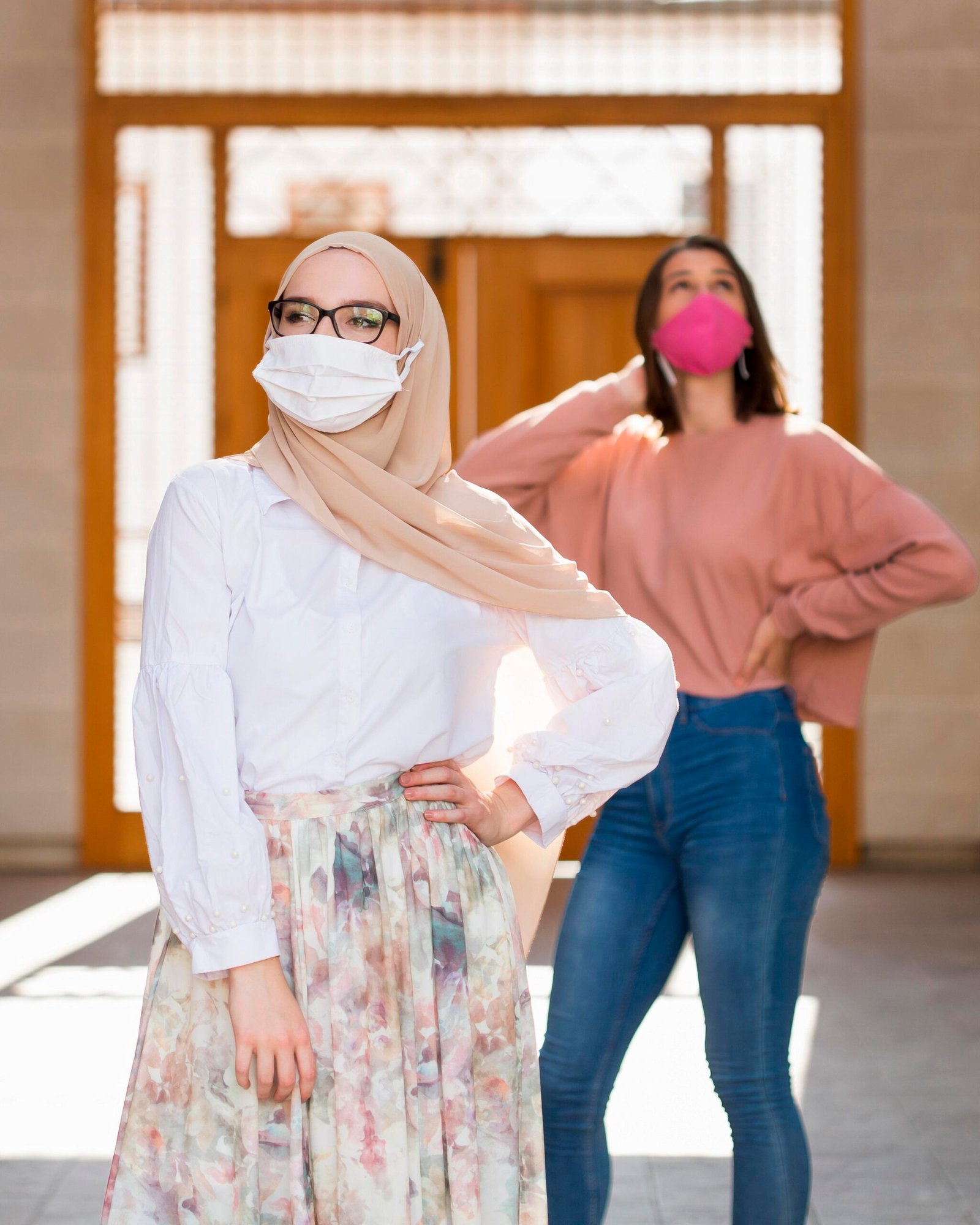
bkp jilbab

Introduction

The world of Muslim fashion has undergone a remarkable transformation over the past few decades, evolving from simple, functional garments into a sophisticated expression of faith, identity, and personal style. Among the various terms and styles that have emerged, “bkp jilbab” has become a keyword of interest for many seeking both religious adherence and fashionable appearance. In Indonesia, the concept of “bkp jilbab” or “jilbab BKP” represents a specific type or brand of hijab that has gained traction in the market, particularly among young Muslim women. This comprehensive guide explores the origins, characteristics, and significance of jilbab in modern fashion.

The term “jilbab” itself has deep linguistic roots, originating from the Arabic word “al-jilbaab,” which refers to a long, loose outer garment worn by Muslim women to cover their bodies from head to chest. According to the Kamus Besar Bahasa Indonesia (KBBI), jilbab is defined as a loose, long robe complemented by a headscarf that covers the head, part of the face, and the chest area. This understanding is further reinforced by its etymological connection to the word “jalaba,” which implies “to draw” or “to attract,” suggesting that the female body naturally draws attention and should therefore be covered appropriately.

The emergence of BKP jilbab specifically reflects the broader evolution of hijab culture in Indonesia and the wider Muslim world. The term “BKP” itself may refer to a specific brand, model designation, or a particular style that has become synonymous with quality, versatility, or a distinct aesthetic. This article delves into the various aspects of jilbab BKP, exploring its defining features, styling options, material selections, and its place within the contemporary Muslim fashion landscape. By examining both the religious foundations and the modern interpretations of jilbab, this guide aims to provide comprehensive information for those seeking to understand and make informed choices about this essential aspect of Muslim women’s attire.

Historical and Religious Foundations of Jilbab

Understanding the concept of jilbab BKP requires first appreciating the historical and religious context from which it emerged. The jilbab is firmly rooted in Islamic teachings and traditions that emphasize modesty and proper attire for Muslim women. Islamic scholars throughout history have provided extensive commentary on the nature and purpose of this garment. Imam Raghib, a renowned Qur’anic lexicon scholar, defined jilbab as a loose garment consisting of a long outer covering and a headscarf that covers the body except for the face and hands. Similarly, Imam Al-Fayumi described it as clothing more ample than a simple head covering but not quite as comprehensive as a large shawl .

The term “jilbab” appears in the Qur’an in Surah Al-Ahzab (33:59), where Allah instructs the Prophet Muhammad to tell believing women to draw their jilbabs over themselves. This verse serves as the primary scriptural foundation for the obligation of Muslim women to wear modest outer garments when in public. The word “al-jalabib” used in the verse is the plural form of jilbab, specifically referring to clothing that covers the entire body of a woman beyond ordinary dress . This religious foundation has shaped the understanding that jilbab is not merely a cultural or fashion choice but a matter of religious observance.

The linguistic evolution of the term further illuminates its meaning. According to some scholars, the root word “jalaba” means to bring or to gather something together, while “jalbu” implies drawing or pulling. This linguistic connection suggests that the jilbab functions to gather and cover the body, concealing the shape and form of the wearer . Early Islamic scholars like Ibnu Mandzur defined jilbab as a large outer garment longer than a khimar (headscarf), capable of covering the head, back, and chest. Modern Indonesian dictionaries similarly define jilbab as a loose dress complemented by a head covering, with the key implication being that it extends to cover the chest area .

Understanding the Evolution of Jilbab into Fashion

The journey of jilbab from a strictly religious garment to a fashion item represents one of the most significant cultural shifts in contemporary Muslim societies. In the 1980s and 1990s, jilbab in Indonesia underwent a profound transformation, moving from being perceived as traditional, exclusive, and cumbersome to becoming a modern and fashionable choice . This change was driven by several factors, including increased religious awareness, the influence of globalization and fashion media, and the emergence of Muslim fashion designers who demonstrated that modesty and style could coexist.

The development of “bkp jilbab” must be understood within this broader context of fashion evolution. Today, jilbab appears in numerous styles and forms, ranging from the fully covered syar’i (sharia-compliant) version to more modern interpretations that emphasize aesthetics alongside functionality. The introduction of various fabrics including chiffon, silk, ceruty, cotton, and jersey has expanded the possibilities for styling, allowing for jilbab that is both comfortable and visually appealing . In particular, the ceramic or ceruty material has become extremely popular due to its light, flowy, and non-wrinkling properties.

This evolution has given rise to different categories of jilbab. One significant distinction is between “jilbab syar’i,” which adheres more strictly to religious guidelines requiring ample and opaque fabric coverage, and “jilbab fashion” or “jilbab gaul,” which emphasizes creativity, color variety, and contemporary styling . The emergence of “BKP jilbab” likely occupies a space within this spectrum, potentially representing a style that balances Islamic modesty requirements with modern fashion sensibilities. The popularity of such styles among students and young urban women reflects a desire to express both faith and personal identity .

Key Characteristics and Styling Options for BKP Jilbab

Jilbab BKP, like other contemporary hijab styles, offers several distinct characteristics that make it appealing to modern Muslim women. The design typically emphasizes ease of use and versatility, allowing wearers to quickly achieve a polished look without complicated wrapping techniques. One of the popular styles that has become synonymous with modern jilbab fashion is the pashmina, a rectangular-shaped hijab approximately 175 x 80 centimeters in size, available in various materials including cotton, sifon, jersey, and satin . The pashmina’s flexibility makes it suitable for multiple styling options, from simple everyday wear to more elaborate event styling.

The BKP jilbab likely incorporates several key design features that enhance both comfort and aesthetics. The material quality is crucial, with premium options offering a balance between opaqueness (to ensure proper coverage) and breathability. These hijabs are often characterized by their ability to maintain a beautiful drape without requiring excessive pins or complicated securing methods. This ease of styling is particularly appreciated by women who need to get ready quickly for work or school while maintaining a fashionable appearance. The development of such styles has been significantly influenced by fashion media and communities, such as the Hijabers Community which emerged in 2010 and has played a pivotal role in promoting modern hijab fashion across Indonesia .

Contemporary styling of BKP jilbab often incorporates elements that reflect current fashion trends while remaining mindful of modesty requirements. Layering techniques, creative draping, and the use of accessories like pins, brooches, or decorative elements have become common. Color choices have expanded significantly from the traditional dark tones to include pastels, bright hues, and ombre effects. Materials like ceruty, diamond crepe, and other specialty fabrics offer different textures and effects, from the subtle shimmer of certain weaves to the matte finish of others . The key to successful BKP jilbab styling lies in understanding how different materials drape and how they complement different face shapes and skin tones.

Understanding Different Jilbab Models and Their Popularity

The landscape of jilbab fashion today encompasses an extensive variety of models, each serving different purposes and preferences. Jilbab BKP likely belongs to this rich ecosystem of hijab styles that have gained popularity in the Indonesian market. One of the most commonly seen models is the “segitiga” or triangular style, made from a square piece of fabric folded diagonally to form a triangle. These hijabs come in various subtypes including Paris, Arabian, Saudia, Monochrome, Glitter, and Pelangi, each distinguished by differences in material, texture, and design details . The triangular hijab is particularly valued for its versatility and ease of use, making it a staple for many Muslim women.

Pashmina-style hijabs, which have become extremely popular in recent years, come in numerous variations including “rawis” or ombre styles, “sifon,” “satin,” “ima scarf” or “Turkish style,” “bubble pop,” and “tierack.” These pashminas can be plain or patterned, with motifs ranging from florals to geometric designs and ethnic patterns . This diversity of options means that women can select pashminas that not only suit their face shape and personal style but also match various outfits and occasions. The adaptability of pashmina styles to different face shapes and body types contributes significantly to their popularity. For instance, a long face may be complemented by a style that adds volume at the sides, while a fuller face may benefit from styles that frame the face more closely.

The BKP jilbab may also incorporate elements of the “jilbab ala jilbabers” style, which typically features more elaborate styling with multiple layers, folds, and sometimes accessories such as bandanas, pins, or brooches. While this style can be more time-consuming to achieve, the result is often more unique and fashion-forward . The emergence of these more creative hijab styles has helped change perceptions that jilbab is uniform or monotonous, allowing Muslim women greater freedom in expressing their individuality while maintaining modesty. Indeed, many women report that the availability of diverse hijab styles has made them more comfortable and confident in wearing hijab, as they can select options that suit their aesthetic preferences .

The Significance of Material Quality in Jilbab

The quality of material is a crucial consideration for any jilbab, including the BKP style. Various fabrics offer different properties that affect comfort, appearance, and durability. Ceruty or ceruti is among the most popular materials for modern jilbab due to its combination of desirable characteristics. This synthetic fabric, made from a blend of polyester, chiffon, and crepe, offers a unique texture reminiscent of orange peel and a flowing, graceful drape . Ceruty was first introduced by Italian textile entrepreneur Nino Cerruti and has since become widely adopted in the Muslim fashion industry. There are several types of ceruty fabric including Ceruty Ultimate, Ceruty Premium, Ceruty Amunzen, Ceruty Diamond, Ceruty Georgette, and Ceruty Babydoll, each with specific properties and price points.

For those who prioritize breathability and comfort, cotton-based hijabs remain an excellent choice, particularly for everyday wear in tropical climates. Cotton is naturally absorbent, allowing for better air circulation and less heat buildup. Jersey material, which combines the comfort of cotton with some stretch, has also gained popularity for its comfortable fit and minimal wrinkling. Each material has specific advantages and drawbacks that should be considered based on the intended use and personal preferences. For example, a hijab worn in an air-conditioned office environment might prioritize aesthetics and wrinkle resistance, while one intended for outdoor activities in a tropical climate should emphasize breathability and moisture absorption .

The choice of material also significantly affects how the hijab falls and holds its shape throughout the day. Heavier materials like certain cottons maintain their structure well but may be less flowy, while lighter materials like chiffon and ceruty offer beautiful movement but may be more difficult to style without pins or undercaps. The BKP jilbab likely selects materials that balance these various considerations, offering a practical yet attractive option for wearers. The material should also be sufficiently opaque to meet religious requirements, ensuring that the hair, neck, and chest are properly covered. This is particularly important for styles that are styled to cover the chest area, which is a specific requirement of syar’i jilbab .

Integrating Jilbab BKP into Modern Wardrobe

Successfully integrating BKP jilbab into a modern wardrobe requires consideration of several elements including color coordination, occasion appropriateness, and personal style. The hijab should complement rather than clash with the outfit, with color choices that harmonize with the wearer’s clothing and skin tone. Classic colors such as black, white, beige, and navy remain popular for their versatility, while pastels and jewel tones offer vibrancy for those seeking to make a statement. The “monochrome” trend, particularly black and white combinations, has become increasingly popular for its clean, sophisticated appearance . BKP jilbab styles likely reflect these color trends, offering options that can coordinate with a broad range of outfits.

The occasion dictates appropriate styling choices, with more formal events allowing for more elaborate and luxurious materials. For work or school, practical hijab styles that can be quickly secured and maintained throughout the day are preferable. Simple pashmina or triangular hijab styles in comfortable fabrics may be the most practical choices for daily activities. For special occasions such as weddings or Eid celebrations, more elaborate styles using materials like satin or the addition of decorative elements like sequins or embroidery may be appropriate . The BKP jilbab‘s versatility likely allows it to transition between these different contexts with appropriate adjustments.

The modern Muslim woman often seeks to balance tradition with contemporary fashion, and the BKP jilbab style likely embodies this balance. It provides the coverage required by religious teachings while embracing elements of current fashion trends. The color choices, fabric selections, and styling options associated with BKP jilbab reflect this synthesis of tradition and modernity. For many Muslim women today, jilbab serves both as an expression of faith and a fashion statement, and styles like BKP jilbab cater to this dual purpose. By providing attractive, high-quality options, such hijabs encourage Muslim women to maintain their religious obligations without feeling they must sacrifice their sense of style or confidence.

Conclusion

The BKP jilbab represents more than just a piece of clothing; it embodies the intersection of faith, culture, and modern fashion for contemporary Muslim women. Rooted in the Islamic teachings found in Surah Al-Ahzab, the jilbab serves as a symbol of modesty and religious devotion while evolving through the years to accommodate changing tastes and lifestyles. From the traditional, predominantly dark-colored and simple styles of the 1980s to the diverse, fashion-forward options available today, jilbab has come a long way in terms of design, materials, and styling possibilities. The emergence of BKP jilbab specifically reflects this evolutionary journey, offering women a style that balances religious requirements with contemporary fashion sensibilities.

Understanding the distinction between jilbab syar’i and jilbab fashion helps contextualize where styles like BKP jilbab fit into the broader ecosystem of Muslim fashion. While jilbab syar’i adheres strictly to religious guidelines regarding coverage, opacity, and simplicity, jilbab fashion embraces creativity, variety, and aesthetics. The BKP jilbab likely occupies a space somewhere between these poles, allowing Muslim women to maintain proper coverage while enjoying fashion-forward designs and materials. This balance is crucial in encouraging hijab adoption and retention, as women are more likely to wear hijab consistently if they feel it allows them to express their personal style and confidence.

The popularity of jilbab styles like BKP jilbab among young women reflects broader social shifts toward the acceptance and celebration of hijab as both a religious practice and a fashion choice. The growth of the Muslim fashion industry, with its vast array of models, materials, and styling options, has made jilbab more accessible and attractive than ever before. Hijabers communities, social media influencers, and Muslim fashion designers have all contributed to this normalization and celebration of hijab in public spaces. For Muslim women navigating modern life in Indonesia and beyond, styles like BKP jilbab offer the opportunity to honor their faith while remaining fashionably current and confident in their identity.

Frequently Asked Questions (FAQ)

What does BKP jilbab mean?

BKP jilbab refers to a specific type or brand of hijab that has become popular in the Indonesian Muslim fashion market. While the acronym may represent particular design specifications or brand names, BKP jilbab generally indicates a style that combines practical ease of wear with modern fashion aesthetics. These hijabs are known for their quality materials, versatile styling options, and appeal to contemporary Muslim women. The term likely represents a product type that has earned recognition for its balance of modesty requirements and fashion appeal.

How do I choose the right jilbab style for my face shape?

Choosing the right jilbab style should consider your face shape to achieve the most flattering appearance. For round faces, styles that add length and angularity, such as draping that falls at the sides, can help create a more oval appearance. For long faces, styles that add volume at the cheek area can create a more balanced appearance. Pashmina-style hijabs with their versatility work well for various face shapes, as they can be adapted to different draping styles. Additionally, the material of the jilbab affects how it falls, with lighter materials like ceruty offering a gentle drape that flatters most face shapes.

What materials are best for jilbab in tropical climates?

For tropical climates like Indonesia, materials that are breathable and moisture-wicking are recommended. Ceruty, despite being a synthetic blend, is popular because it is lightweight and comfortable for daily wear. Jersey material offers good breathability and stretch, making it comfortable for extended wear. Silk and cotton are natural options, with cotton being highly absorbent and breathable. However, some cotton varieties may be more prone to wrinkling and may need more frequent ironing. For active individuals, materials that dry quickly are important, making synthetic blends that incorporate moisture-wicking technologies a good option.

What is the difference between jilbab syar’i and jilbab fashion?

Jilbab syar’i refers to the traditional, more conservative form of jilbab that strictly follows religious guidelines. It requires the fabric to be thick and opaque to ensure no part of the body is visible, the colors to be generally dark or subdued, the style to be loose and not form-fitting, and the coverage to extend from head to chest and adequately cover the entire body except for the face and hands. Jilbab fashion, on the other hand, includes a wide variety of styles, colors, and materials that emphasize aesthetic appeal alongside functionality. While jilbab fashion also aims to provide coverage, it allows for more creativity in design, styling, and accessory use, reflecting current fashion trends while still aiming to meet modesty requirements.

How can I style my BKP jilbab for a formal event?

Styling BKP jilbab for a formal event involves several considerations. Choose a material that is appropriate for the occasion, such as satin or velvet for weddings or silk for evening events. The colors should complement the outfit and be suitable for a formal setting. Accessories like elegant pins, brooches, or delicate jewelry can enhance the look without overwhelming it. The draping style should be more sophisticated and precise, possibly with more elaborate folds or layers. It may be helpful to view tutorials or seek advice from professional stylists who specialize in hijab fashion. The key is to maintain the elegance and modesty of the hijab while achieving a refined appearance suitable for the event.

Continue Reading

Trending