Connect with us

Animal

Boelis Complete Guide 2026: History, Fragrances, Luxury Heritage

Published

on

boelis

Boelis is one of the most respected names in the world of luxury men’s grooming and niche perfumery. Officially known as Boellis Panama 1924, the Italian brand has spent more than a century perfecting the art of traditional barbering and sophisticated fragrance creation. From its origins in an elegant Neapolitan barbershop to becoming an internationally recognized luxury perfume house, Boelis has remained committed to exceptional craftsmanship, timeless style, and authentic Italian heritage.

In today’s world of fast-moving fragrance trends, Boelis stands apart by embracing quality over quantity, artisan production, and carefully selected natural ingredients. Whether you are searching for what Boelis is, Boelis perfume price, Boelis brand history, or the best Boellis Panama 1924 fragrances, this complete 2026 guide covers everything you need to know.

What Is Boelis

Boelis, officially recognized as Boellis / Panama 1924, is an Italian niche fragrance and luxury grooming brand founded by Antonio Boellis in 1924 in Naples, Italy. The company began as a prestigious gentleman’s barbershop, offering premium shaving services and handcrafted grooming products for discerning clients.

Over the decades, the brand evolved while preserving its original philosophy. Today, Boelis is internationally known for producing:

  • Luxury Eau de Parfum
  • Exclusive Eau de Cologne
  • Traditional shaving creams
  • Aftershave balms
  • Pre-shave oils
  • Luxury grooming accessories

Unlike mainstream designer fragrance companies, Boelis operates as a niche perfume house, creating exclusive scents in limited quantities. Every fragrance is designed for individuals who appreciate originality, refined composition, and long-lasting performance rather than following seasonal trends.

Its reputation for excellence has made Boelis a favorite among fragrance enthusiasts, collectors, and modern gentlemen seeking authentic Italian luxury.

The History of Boelis: From Naples Barbershop to International Luxury Brand

The story of Boelis begins in 1924, when Antonio Boellis established his legendary Antica Barberia on Via Chiaia, one of Naples’ most prestigious shopping streets.

His vision extended beyond ordinary barbering. Antonio wanted every customer to experience an elegant shaving ritual using handcrafted products, exceptional service, and an atmosphere of refined sophistication.

One of the shop’s greatest innovations was the famous Panama shaving cream formula, developed personally by Antonio Boellis. Its rich lather, luxurious fragrance, and exceptional skin comfort quickly earned widespread acclaim among aristocrats, businessmen, artists, and distinguished gentlemen throughout Italy.

As decades passed, the Boellis family protected this remarkable heritage while adapting to changing markets. During the early 2000s, they introduced Panama 1924, transforming their historic barbershop into an internationally recognized luxury fragrance house without sacrificing its traditional identity.

Now celebrating more than 100 years of heritage in 2026, Boelis continues to represent authentic Italian craftsmanship while expanding its presence across Europe, North America, the Middle East, and Asia.

The Philosophy and Craftsmanship Behind Boelis

One of the reasons Boelis has earned worldwide respect is its dedication to slow luxury—a philosophy emphasizing patience, craftsmanship, authenticity, and timeless quality rather than mass production.

Every Boelis creation reflects three core principles.

Authentic Italian Craftsmanship

Every fragrance and grooming product is proudly made in Italy, using traditional artisan techniques passed down through generations. Rather than chasing short-lived perfume trends, Boelis remains faithful to classic European elegance.

Premium Natural Ingredients

Boelis carefully selects high-quality raw materials including:

  • Mediterranean citrus
  • Amber
  • Precious woods
  • Leather accords
  • Natural tobacco
  • Vanilla
  • Oakmoss
  • Rum notes
  • Fine spices

These ingredients create fragrances with remarkable depth, complexity, and sophistication.

Timeless Masculinity

Unlike many modern fragrances that emphasize sweetness, Boelis focuses on classic masculine compositions. Its perfumes evoke confidence, maturity, elegance, and understated luxury, making them suitable for formal occasions, business settings, and everyday refinement.

This unwavering commitment to quality has helped Boelis build a devoted following among fragrance collectors worldwide.

Most Popular Boelis Panama 1924 Products in 2026

The Boelis collection is divided into two primary categories: luxury fragrances and traditional grooming products.

Panama 1924 Eau de Parfum

The flagship fragrance remains the brand’s most recognizable creation. It features a warm blend of leather, spices, rum, woods, and subtle sweetness inspired by the atmosphere of the original Naples barbershop. Many fragrance enthusiasts consider it the ultimate gentleman’s signature scent.

Panama 2.0

Created as a contemporary reinterpretation of the original classic, Panama 2.0 offers fresher, brighter notes while preserving the rich elegance that made the original famous. It successfully appeals to both younger fragrance lovers and longtime Boelis admirers.

Colonia Assoluta Collection

The celebrated Colonia Assoluta series includes prestigious fragrances such as:

  • Chiaia 9
  • Condotti
  • Spiga

Named after famous Italian streets, these luxurious colognes capture different aspects of Italian sophistication while maintaining the unmistakable Boelis identity.

Iris di Capri

Launched in 2018, Iris di Capri is a refined woody-spicy fragrance suitable for both women and men. Its composition includes orange, iris, rosemary, cinnamon, oakmoss, patchouli, and other elegant notes that demonstrate the brand’s versatility beyond traditional masculine fragrances.

Luxury Shaving Collection

Boelis remains equally respected for its classic grooming products, including:

  • Original shaving cream
  • Aftershave balm
  • Pre-shave oil

These handcrafted products continue the traditional barbershop experience that made the company famous over a century ago.

Why Boelis Is Trending in 2026

Several important trends have contributed to Boelis‘ growing popularity worldwide.

The Rise of Quiet Luxury

Modern consumers increasingly appreciate understated elegance instead of flashy branding. The old money aesthetic has become one of 2026’s strongest fashion movements, and Boelis perfectly embodies this refined lifestyle with its minimalist packaging and century-old heritage.

Growing Demand for Niche Perfumes

Fragrance enthusiasts are moving away from mass-produced designer perfumes in favor of exclusive creations with unique personalities. Boelis offers excellent longevity—typically 8 to 12 hours—along with distinctive scent profiles rarely found in commercial fragrances.

Sustainability and Heritage

Consumers now value brands that emphasize responsible production and authentic history. Boelis continues to manufacture many of its products in smaller batches while preserving traditional Italian artisan methods and carefully sourcing premium ingredients.

Social Media Recognition

Luxury barbers, fragrance influencers, and European stylists regularly showcase Boellis Panama 1924 on platforms such as TikTok, Instagram, and YouTube, introducing the historic brand to a younger generation of fragrance enthusiasts.

How to Identify an Original Boelis Perfume

As Boelis becomes more popular, counterfeit products have also appeared. Buyers should verify authenticity before purchasing.

Several indicators help identify genuine products:

  • Premium Packaging: Authentic Boelis boxes feature a high-quality matte finish with embossed gold branding and exceptional construction.
  • Quality Bottle: Genuine bottles use heavy glass with wooden or premium metal caps rather than lightweight plastic components.
  • Batch Code: Every authentic bottle includes an engraved batch code and clearly states Made in Italy.
  • Realistic Pricing: In 2026, genuine Boelis Eau de Parfum generally sells between $120 and $250, depending on the collection and bottle size. Prices far below this range should raise concerns.
  • Authorized Retailers: Purchase only from trusted luxury retailers, the official Panama 1924 website, reputable niche perfume boutiques, or verified fragrance specialists.

Where to Buy Boelis Products in 2026 and Final Verdict

Boelis products are available through several trusted channels worldwide, including:

  • The official Panama 1924 website
  • Luxury department stores
  • Harrods
  • Galaxus
  • Premium niche perfumeries in Milan, Dubai, London, and New York
  • Fragrantica-recommended retailers
  • Parfumdreams
  • Selected Amazon Luxury stores
  • Traditional European barbershops carrying the original Boellis shaving collection

Collectors should also watch for limited editions, anniversary releases, and vintage bottles, which often become highly sought-after and sell out quickly.

Final Verdict

Boelis is far more than another luxury perfume brand—it represents over a century of Italian barbering excellence, craftsmanship, and timeless elegance. Every fragrance reflects a heritage built on authenticity, artisan production, and sophisticated masculine style.

Whether you choose the legendary Panama 1924 Eau de Parfum, the refreshed Panama 2.0, the elegant Chiaia 9, or one of the brand’s luxurious shaving products, you’re investing in a tradition that has remained relevant for more than 100 years.

For anyone seeking premium niche fragrances, Italian luxury grooming, and a scent that combines history with modern refinement, Boelis Panama 1924 remains one of the finest choices available in 2026. Its dedication to quality, heritage, and timeless sophistication ensures that it will continue to define true gentlemanly style for generations to come.

Continue Reading

Animal

The Herd Live: A Deep Dive into the Power of Collective Existence

Published

on

The Herd Live: A Deep Dive into the Power of Collective Existence

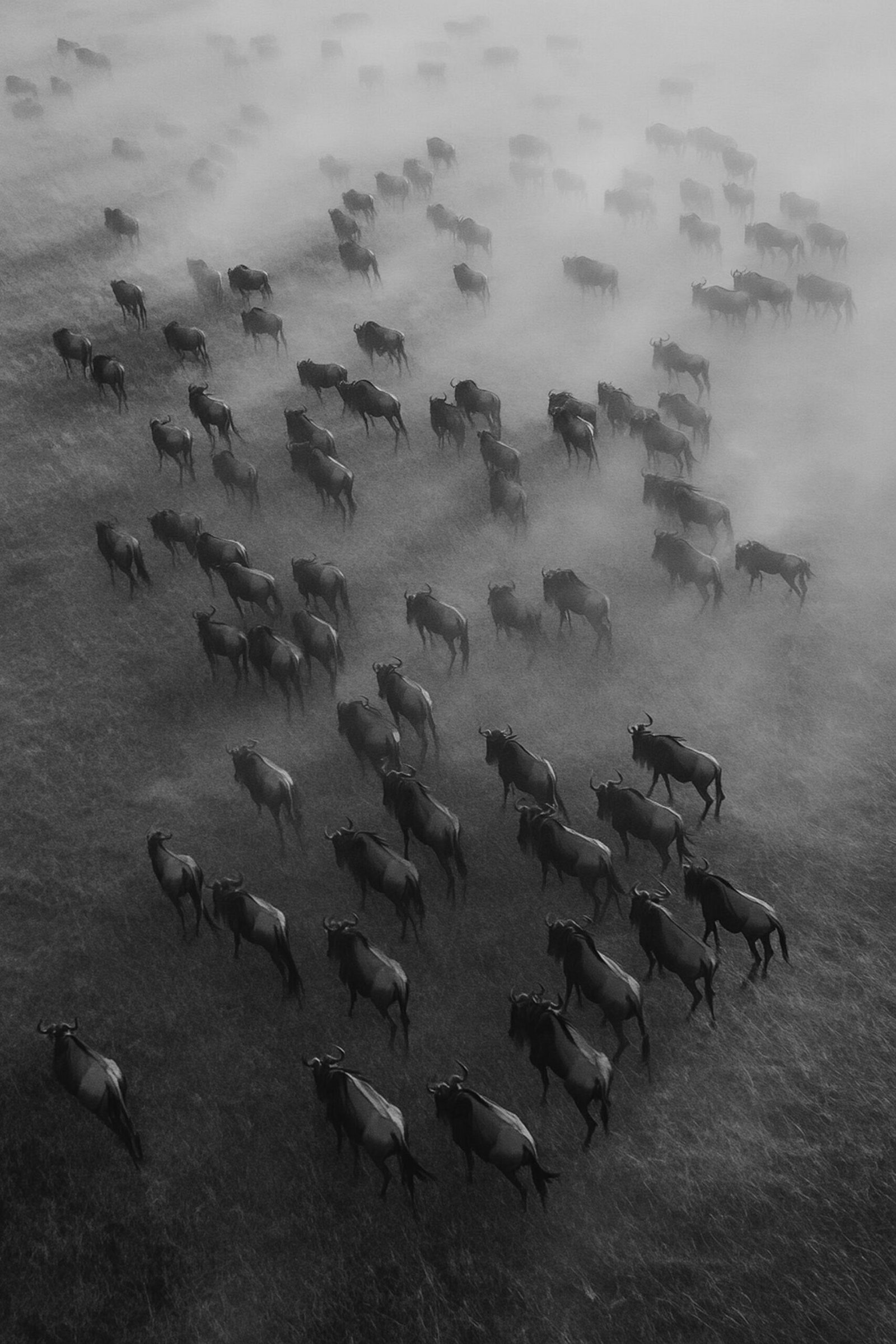
There is a profound power in the collective. Across the animal kingdom, from the vast plains of Africa to the forgotten corners of the natural world, the concept of “the herd live” serves as a fundamental blueprint for survival, social structure, and success. This is not merely a biological observation; it is a philosophical and cultural touchstone that resonates with human society as well. Whether it is the majestic herd of wild buffalo thundering across the plains, a group of giraffes moving silently through the savannah, or the human desire to “join the herd” in a social or musical sense, the dynamics of group living offer a rich tapestry of meaning. This article explores the multifaceted concept of “the herd live,” examining its biological imperatives, its grammatical intricacies, and its cultural representations, from classic rock to modern film.

The phrase itself carries significant weight, often misunderstood due to the nuances of collective nouns. When we ask, “Does a herd of giraffes live or lives on the manor?” we are diving into the fascinating split between American and British English. In American English, the collective noun “herd” is almost always treated as a singular entity, leading to the phrase “the herd lives.” This linguistic choice emphasizes the group as a single, unified organism moving and acting in concert . However, in British English, it is equally correct to treat the herd as a plural, acknowledging the individual members within the whole: “the herd live” . This grammatical distinction mirrors the biological reality: while a herd functions as a unit, its strength is derived from the individuals who compose it, each playing a role in the collective’s survival.

Understanding “the herd live” extends far beyond grammar. It is a lens through which we can view survival strategies. The instinct to band together is one of nature’s most effective defenses against predators . When animals live in a herd, they benefit from the “many eyes” effect, reducing the risk of surprise attacks and increasing the chances of detecting threats early. This is why we see such a diverse array of group behaviors in the wild, from the complex social structures of elephants to the synchronized movements of schooling fish—though, technically, fish school rather than herd, demonstrating the specificity of the term “herd” .

Key Keywords for This Article

  • The Herd Live

  • Herd Lives vs. Herd Live

  • Collective Noun

  • Animal Group Behavior

  • The Herd Band

  • Herd Survival

  • Nostalgia and Relevance

  • Human Society and Herd Mentality

The Biological Imperative of Herd Living

The primary driver behind why animals choose to “live in a herd” is survival. For prey species, safety in numbers is the most reliable strategy against predation. A solitary zebra is a target; a herd of zebras is a complex, moving tapestry that confuses and deters predators. This behavior is not simply about being close together; it involves intricate communication and social bonds. Recent literature, such as the children’s book “I’m Joining the Herd,” highlights this by exploring how various animal groups—from lion prides to giraffe herds—work together to protect young, find food, and navigate their environment . Giraffes, for example, have been shown to hum to communicate with their herd, a subtle interaction that reinforces group cohesion . The herd acts as a social unit, a family where individuals clean each other, play, and look after one another’s young.

Moreover, herd living optimizes resource utilization. Foraging in a herd allows animals to cover more ground and find food sources more efficiently. The concept of “herd live” thus becomes a dynamic equation of risk versus reward. While living in a large group increases competition for resources, the collective benefit of enhanced protection and shared knowledge often outweighs the costs. This is a classic example of evolutionary adaptation, where the social structure of the herd is honed to maximize the survival prospects of the species as a whole. The phrase “the herds live on land managed by different federal agencies” highlights the contemporary conservation challenges of maintaining these vital social structures in the modern world .

The Cultural Resonance of “The Herd”

Beyond the wild, the concept of the herd has profound cultural and social implications. “Herd mentality” is a well-known term describing how people can be influenced by their peers to adopt certain behaviors, follow trends, or make decisions. While often used pejoratively to describe a lack of independent thought, this human tendency is rooted in the same primal instincts that drive animals to band together: the search for safety and belonging. This is where the phrase “I’m joining the herd” takes on a metaphorical meaning. It signifies an individual’s decision to align with a group, a family, or a community, recognizing the strength and comfort that comes from collective identity .

However, the concept of “the herd live” is also a powerful cultural artifact for groups that have been labeled as outsiders, such as the rock band “The Herd.” Historically, the 1960s band “The Herd” is a quintessential symbol of the era’s “pop” scene. Their live sessions for the BBC, now collected on albums like “Live On Air 1967-1969,” reveal a charisma and taste often missing from their commercial recordings. This music allows listeners to enjoy the “other side of one of British music’s best-dressed and undeniably underrated groups” . The energy and raw talent captured in these live sessions demonstrate that “the herd live” is more than a passive state of existence; it is an active, vibrant performance of collective energy. The nostalgia felt by fans decades later proves that the music “still has something urgent to say” .

Similarly, Australian hip-hop collective “The Herd” proves that the power of a group extends to the political and social commentary of the modern era. Celebrating 20 years of their landmark album “The Sun Never Sets,” they demonstrate that “nostalgia and relevance can coexist” . Their live performances highlight how a group can unify people around a shared history and a message of change. The collective energy of the band and the audience—a “herd” of its own—shows that the term can represent solidarity, resilience, and a shared journey through challenging times, tackling difficult themes and sparking conversation through music .

Herd Dynamics in Modern Media

The theme of “the herd live” is not confined to biology or music; it is a central theme in modern storytelling. The 2025 Netflix thriller “The Herd” uses the concept of a “herd” as a metaphor for societal division and conflict in Nigeria . The film explores the dark side of tribalism and stereotyping, portraying a world where bandits use the guise of cattle herders to commit acts of violence, ultimately fueling ethnic controversies. In this context, the herd represents a complex and fractured society where different groups—Yoruba, Igbo, Fulani—are forced to confront deep-seated prejudices . The film asks a difficult question: does the “herd” represent a unified community, or is it a collection of warring factions co-existing in a precarious state?

The film’s director argues that the narrative shows “evil and corruption cut across everywhere, not pinned to one tribe or religion.” Yet, the raw depictions of violence and the use of specific ethnic signifiers in the film sparked significant backlash, with some viewers calling for a boycott. This controversy highlights the dangers of “herd mentality” in the public sphere: when people feel their group is misrepresented, they “band together” in protest, sometimes missing the nuanced message the storyteller intended. The film serves as a case study for how “the herd live” concept interacts with modern identity politics, showing that while the human urge to belong to a group is powerful, it can also be a source of profound conflict .

In stark contrast to the grim realism of the Netflix thriller, the video game Herdling offers a more hopeful and empathetic take on herd dynamics. This meditative indie game, compared to titles like “Journey” or “Abzû,” tasks the player with guiding a herd of creatures called Calicorns through a beautifully desolate world . The game’s genius lies in its simplicity; the player is not a commander but a caretaker. The Calicorns have their own personalities, often ignoring commands or wandering off, forcing the player to adapt and nurture . This experience is a physical embodiment of the phrase “the herd live.” It isn’t about dictating terms to the group; it’s about earning their trust, understanding their individual quirks, and moving together not by force, but by persuasion. As the review states, “I wasn’t thinking about frame rates… I was thinking about my herd. Would they all make it? Would I fail them?” .

Conclusion

The concept of the herd live is a powerful, multifaceted idea that transcends the boundaries of grammar, biology, and culture. From the meticulous grammatical rules of collective nouns to the life-or-death survival strategies of the African savannah, the idea of the herd shapes how we understand groups in the natural world. It is a term of unity, protection, and shared purpose.

Culturally, “the herd live” manifests in music, film, and art, symbolizing both the best and worst of human nature. The rock nostalgia of “The Herd” and the political energy of the Australian hip-hop collective show that a group can be a source of artistic brilliance and social change. Conversely, films like “The Herd” and the psychology of “herd mentality” warn us of the dangers of blind conformity and the ease with which group identity can be weaponized.

Ultimately, whether we are discussing zebras, long-lost rock stars, or the complexities of modern society, “the herd live” is a reminder that we are rarely alone. Our survival and our identity are intrinsically linked to the groups we belong to. The challenge is to live within the herd—to participate in its collective strength—while maintaining the individuality that makes the whole greater than the sum of its parts.

Frequently Asked Questions (FAQ)

1. Is it grammatically correct to say “a herd live” or “a herd lives”?
Both forms are grammatically correct, but their usage depends on the variety of English being spoken. In American English, collective nouns like “herd” are almost always treated as singular, so you would say “the herd lives.” In British English, it is common and correct to use plural verbs with collective nouns to emphasize the individual members of the group, hence “the herd live” .

2. What is the primary benefit for animals that “live in a herd”?
The primary benefit of herd living is survival. Herds offer protection from predators through the “many eyes” effect, making it harder for an individual to be singled out. Additionally, herding allows for efficient foraging, better navigation, and complex social interactions that support the raising of young .

3. Are there other types of animal groups besides “herds”?
Yes, the animal kingdom uses a rich vocabulary to describe different social groups. The specific terms often depend on the species and behavior. For example, birds often live in flocks, fish form schools, lions live in prides, and bats gather in cauldrons . These terms are specific to the behavior and species of the animals involved .

4. What does “joining the herd” mean in a metaphorical sense?
Metaphorically, “joining the herd” refers to an individual’s decision to align themselves with a larger group, community, or trend. It can imply a search for belonging, safety, or shared purpose. While it can be negative if it implies a loss of independent thought, it often simply describes the human need for social connection and community.

5. What are “The Herd” bands mentioned in this article?
The article discusses two notable music groups named The Herd. The first is a British pop band from the 1960s known for their BBC sessions, which are collected on albums like “Live On Air 1967-1969” . The second is an Australian hip-hop collective who celebrated 20 years of their influential album “The Sun Never Sets” in 2025 .

6. Why is the film “The Herd” (2025) controversial?
The film is controversial because it tackles the sensitive issue of insecurity and ethnic tensions in Nigeria. Specifically, it portrays armed bandits posing as Fulani cattle herders to commit crimes. This depiction sparked accusations of ethnic stereotyping, with some critics arguing it unfairly links a specific group to terrorism and kidnappings, potentially inflaming real-world tensions .

Continue Reading

Animal

Python 54axhg5: Debunking the Myth and Mastering Elusive Python Bugs

Published

on

python 54axhg5

Debunking the Myth and Mastering Elusive Python Bugs

The world of software development is frequently peppered with cryptic terms and seemingly mysterious issues that can stump even the most experienced programmers. In recent months, a particular phrase has been gaining significant traction, popping up across developer forums and search engine results: “Python 54axhg5.” For developers encountering this term in error logs or project discussions, the initial reaction is often confusion. Is it a hidden bug within the Python interpreter itself? Could it be a new, advanced security module waiting to be discovered? The reality, as we will uncover through careful analysis of official documentation and community discussion, is far more mundane yet simultaneously more instructive. This article will cut through the noise to explain what “Python 54axhg5” truly is, why it has become a talking point in the developer community, and, most importantly, how to diagnose and fix the genuine, complex Python issues that are often mistakenly attributed to this phantom identifier. By demystifying this term, we equip ourselves with a sharper understanding of real Python debugging, moving beyond myths to master the actual challenges of modern software development.

Understanding the Core Mystery: What is “Python 54axhg5”

To address the confusion head-on, it is crucial to establish a foundational truth: “Python 54axhg5” is not an official part of the Python ecosystem. A thorough examination of authoritative sources reveals that this identifier does not appear in the official Python bug tracker, the CPython source code release notes, or any standard library documentation . It is not a recognized error code, a version number (official releases follow semantic versioning like 3.11 or 3.12), nor a module that can be installed via pip . The combination of “Python” with the alphanumeric string “54axhg5” does not align with any naming conventions used by the Python Software Foundation or any established, verified third-party package.

If it is not a real feature or bug, why does it seem to be everywhere online? The term’s visibility is largely attributed to its propagation across the internet through search-engine-optimized (SEO) content and automated blog posts that have repeated the phrase without verifying its existence . In some cases, it appears to have originated as a placeholder or an internal tracking identifier from a specific project or build system . For instance, version control systems or CI/CD pipelines routinely generate short, random-looking hashes for commits or builds, and a term like “python 54axhg5” could easily have been a label for a specific internal build job . As this internal marker was shared in error logs or discussions, it was misinterpreted by subsequent readers and content generators as a legitimate technical concept, creating a feedback loop of misinformation. The most credible explanation is that the myth was born from a misunderstanding of these internal tracking codes, which developers outside the originating project encountered and, lacking context, assumed was a documented phenomenon .

The Ghost in the Machine: Why “54axhg5” Feels Like a Real Bug

While the term itself is a myth, the reason it has been so readily adopted and believed is that it effectively encapsulates a very real and frustrating category of software issues. Developers frequently encounter genuine Python problems that are difficult to reproduce, vanish when a debugger is attached, and seem to occur at random, especially under heavy production loads . This behavior is what the community has labeled a “ghost bug,” and “54axhg5” has become a colloquial, albeit unofficial, shorthand for this class of elusive errors . When a bug disappears simply because you added a print() statement or a breakpoint, it usually points to a problem rooted in the precise timing of code execution—a hallmark of concurrency and asynchronous programming issues .

The primary triggers for these ghost-like problems are well-documented and represent the true technical challenges developers face. These include concurrency and threading issues, where race conditions occur when multiple threads access and modify shared data without proper synchronization . The Python Global Interpreter Lock (GIL), which allows only one thread to execute Python bytecode at a time, does not protect against operations that involve multiple steps or external resources, leading to unpredictable outcomes . Another major source of confusion lies in dependency and environment conflicts, where mismatched package versions, corrupted virtual environments, or differences between development and production systems lead to inexplicable runtime failures . Finally, memory management problems, such as circular references that trip up Python’s garbage collector, can cause memory leaks in long-running processes, manifesting as performance degradation or unexpected crashes . So, while “Python 54axhg5” is not a real bug, it has become a powerful symbol for the very real and complex problems that arise from the intricacies of modern, concurrent, and large-scale Python applications.

Diagnosing and Fixing the Real Issues Behind the Myth

Since “Python 54axhg5” is not a technical problem in itself, the path to a solution lies in diagnosing the genuine underlying issues that have been mislabeled as such. Effective troubleshooting requires a methodical approach, moving from the most common causes to the more complex. A recommended first step is to verify the environment by deleting and recreating the virtual environment, clearing all __pycache__ directories, and running pip check to identify dependency conflicts . Ensuring that all packages are pinned to specific, known-good versions in a requirements.txt file is a fundamental practice that prevents many environment-induced “ghost” failures .

If environmental issues are ruled out, the next most likely culprit is a concurrency problem. The fix for this is to implement explicit synchronization. Using threading.Lock() for code with threads or asyncio.Lock() within asynchronous code ensures that shared data structures are accessed by only one operation at a time, preventing race conditions . It is also vital to avoid using print() statements for debugging such issues, as the I/O operation itself changes the timing of the program and can inadvertently hide the problem. Instead, robust and structured logging should be employed to trace execution flow without altering system timing . For intermittent memory leaks, developers can leverage built-in tools like tracemalloc to track memory allocation and third-party libraries like objgraph to identify the circular references that prevent proper garbage collection . In scenarios where the problem is highly elusive, running the application under a heavy load in a staging environment that mirrors production is often the only way to reproduce and catch the bug .

Python 54axhg5 in Build Systems: A Concrete Example

To further solidify the understanding of how a term like “54axhg5” can originate, it is useful to examine its potential role in a build or development environment. Continuous Integration/Continuous Deployment (CI/CD) pipelines, such as those using Jenkins, GitLab CI, or GitHub Actions, often generate unique identifiers for each job, build, or test run. These identifiers are used for logging, artifact storage, and tracking. For example, a build script might name a build artifact as python_54axhg5_wheel.zip to distinguish it from other builds in a system .

If a developer were to encounter an error message referencing this build artifact or a temporary script named test_54axhg5.py in a forum discussion, they might reasonably assume that 54axhg5 is a specific and important identifier, perhaps a new feature or a known bug . Without context, they could search for it and, finding a growing number of blog posts, believe it is a documented phenomenon. Similarly, a simple debug log entry like “Processing job ID: 54axhg5” could be misinterpreted as a Python error code if it is presented without sufficient context. This illustrates how technical, yet internal, identifiers can escape their original, limited purpose and become the subject of widespread speculation, ultimately feeding the myth of “Python 54axhg5” as a significant technical entity.

Prevention: Building Resilient Python Projects

The best way to avoid the frustration of chasing phantom bugs is to adopt a disciplined approach to software development from the start. Most of the real-world issues that contribute to the “54axhg5” confusion are preventable with consistent project structure and practices. The cornerstone of this is the strict and universal use of virtual environments to isolate project dependencies, preventing system-wide conflicts . Coupled with this is the practice of pinning all dependency versions, ensuring that every developer and production server is running the exact same set of packages .

Furthermore, writing comprehensive tests is non-negotiable. This includes not only unit tests that validate individual functions but also integration and load tests that simulate production traffic. Since concurrency bugs frequently only manifest under heavy load, performance testing is essential for catching them before they reach users . Regular code refactoring to reduce complexity, avoid deep nesting, and favor immutable data structures can also significantly reduce the risk of timing-related errors . Using immutable data structures prevents silent state changes, and process isolation, which avoids sharing memory between threads, can eliminate entire classes of concurrency bugs . By investing in robust testing and clean coding practices, developers can build Python applications that are not only more reliable but also much easier to debug when an issue does inevitably arise.

Conclusion

In the end, the story of “Python 54axhg5” is a valuable lesson in critical thinking and the importance of relying on official sources. The term is not a hidden Python version, a secret module, or a documented bug. Instead, it is a myth, a meme born from the collision of internal tracking identifiers, misinterpreted search results, and the widespread, frustrating experience of debugging elusive “ghost” bugs . The true takeaway is not about this mythical identifier, but about the very real and challenging problems it has come to represent. By focusing on environmental stability, robust concurrency management, and disciplined debugging practices, developers can effectively tackle the complex issues that matter. The goal is not to solve a fictional “54axhg5” bug but to build resilient, high-performance applications that are immune to the kinds of vague, timing-sensitive failures that make developers feel like they are chasing ghosts. Mastering the real Python—its threading.Lock()asynciotracemalloc, and robust testing—is the only way to ensure your code behaves predictably, no matter the load.

Frequently Asked Questions (FAQs)

1. Is “Python 54axhg5” a real Python version or bug?

No. Python 54axhg5 is not an official Python version, error code, or bug tracked in any official repository. It is a term that has circulated online but has no basis in Python’s documentation or source code .

2. Why do I see references to it in online articles and forums?

The term has been propagated largely by SEO-driven content and blogs that have repeated the phrase without verifying its authenticity. It may have originated as an internal identifier or placeholder keyword that was misinterpreted .

3. What are some real Python problems that are often mistaken for this myth?

Developers often incorrectly label genuine issues as Python 54axhg5, which typically include environment and dependency conflictsconcurrency and race conditions with threads or async code, and memory management issues such as memory leaks from circular references .

4. What is a “ghost bug” and why is it so hard to fix?

A “ghost bug” is an error that is difficult to reproduce and often disappears when you add a debugger or print() statements. This happens because the act of debugging changes the timing of the program. These bugs are usually related to concurrency, where the outcome depends on the unpredictable order of thread or task execution .

5. What are the first steps I should take to fix a mysterious runtime error?

Begin by recreating your virtual environment from scratch, clearing all cache, and checking for dependency conflicts using pip check. This resolves the most common and easily fixed issues. If the problem persists, look for concurrency issues by adding explicit locks (threading.Lockasyncio.Lock) to shared data .

6. How can I prevent these “ghost bug” issues in my projects?

Prevention relies on a few key practices: always use virtual environmentspin your dependency versions, write comprehensive tests (including load tests), and use immutable data structures and process isolation to minimize the risk of timing-related conflicts .

Continue Reading

Animal

Sea Urchin Fossils: A Comprehensive Guide to Ancient Echinoderms

Published

on

sea urchin fossil

Introduction

Sea urchin fossils represent some of the most fascinating and accessible windows into Earth’s ancient marine ecosystems. These remarkable relics, belonging to the class Echinoidea, have traversed an evolutionary journey spanning approximately 450 million years, with their origins tracing back to the Ordovician period . Unlike many prehistoric creatures that left behind only fragmentary remains, sea urchins possessed hard, calcified skeletal structures known as “tests” that were remarkably well-suited for fossilization, making them among the most commonly encountered and collected marine fossils worldwide . From the perfectly symmetrical spherical forms of regular echinoids to the heart-shaped and flattened varieties of irregular echinoids, these fossils provide invaluable insights into ancient ocean environments, evolutionary processes, and even human cultural history. This comprehensive guide explores everything you need to know about sea urchin fossils, from their geological significance and anatomical features to practical collecting tips and the fascinating folklore that has surrounded these ancient treasures for millennia.

The Geological Significance of Sea Urchin Fossils

Understanding the Fossilization Process

The preservation of sea urchin fossils is a remarkable testament to the durability of their calcite skeletons. When a sea urchin dies, its soft tissues decay rapidly, leaving behind the hard, calcified test composed primarily of calcite, a crystalline form of calcium carbonate . For fossilization to occur, the test must be quickly buried in sediment, protecting it from scavengers and physical destruction . Over millions of years, the original skeletal material undergoes gradual mineralization, preserving the intricate surface details, including the distinctive patterns of ambulacral zones and tubercles that once anchored the spines . The fossil record reveals that early echinoids possessed thin plates loosely held together by soft flesh, making them less likely to fossilize completely compared to modern species whose plates interlock to form rigid skeletons . This evolutionary development explains why complete sea urchin fossils are relatively rare compared to other marine organisms, though they remain more commonly preserved than many other echinoderm groups .

Sea Urchins as Index Fossils

Sea urchin fossils serve as exceptionally valuable index fossils for dating marine sedimentary strata . Their widespread distribution across every ocean and depth zone, combined with their relatively rapid evolutionary rates, makes them excellent markers for specific geological periods . The class Echinoidea shows a distinctive pattern of diversification, with regular echinoids (those with spherical bodies and central mouths) dominating earlier formations, while irregular echinoids (with bilateral symmetry and eccentric mouths) became increasingly common in Mesozoic and Cenozoic deposits . Notably, sea urchins reached their maximum development during the Mesozoic era and continue to thrive in modern oceans, unlike other echinoderm groups such as the cystoids and blastoids, which became entirely extinct . This evolutionary trajectory provides paleontologists with a reliable framework for dating rock formations and understanding ancient marine environments .

Anatomy and Classification of Sea Urchin Fossils

The Structure of the Test

The sea urchin test, or shell, represents a masterpiece of biological engineering composed of numerous calcareous plates immovably connected together . The test comprises two primary components: the corona, which forms the main body covering, and the apical disc at the top of the animal . Ten distinct zones run from the mouth to the anus, alternating between narrower ambulacral zones (perforated by pores that once housed tube feet used for locomotion and feeding) and broader interambulacral zones (covered with tubercles for spine attachment) . In life, these plates were covered with spines of various sizes, ranging from small defensive spines to larger primary spines, all attached to tubercles through ball-and-socket joints that allowed for considerable movement . When examining fossil specimens, the tubercles are often clearly visible even when the spines themselves have been detached, providing important clues for identification .

Regular versus Irregular Echinoids

The class Echinoidea divides into two major morphological groups based on body symmetry and ecological adaptation . Regular echinoids, which include the familiar spherical sea urchins, maintain the ancestral fivefold symmetry characteristic of echinoderms and typically live on the seafloor surface (epifaunal) . Their tests are globular with the mouth located centrally on the underside and the anus at the apex, and their ambulacral zones are generally narrower than the interambulacral zones . In contrast, irregular echinoids evolved a secondary bilateral symmetry that overprints the original fivefold pattern, adapting to burrowing lifestyles (infaunal) in soft sediments . These include the heart-shaped urchins (spatangoids) and the flattened, biscuit-like forms (clypeasteroids), such as the familiar sand dollars and sea biscuits . Irregular echinoids typically possess smaller tubercles and exhibit eccentric mouth and anus positions, with the test showing distinct elongation or flattening . The evolution of these forms represents a major adaptive radiation, with irregular echinoids becoming particularly abundant during the Mesozoic and Cenozoic eras .

The History and Folklore of Sea Urchin Fossils

Cultural Significance Through the Ages

Sea urchin fossils have captured human imagination for millennia, appearing in archaeological contexts and folklore across diverse cultures . These ancient remains, often referred to as “shepherds’ crowns” or “fairy loaves” in European folklore, were believed to possess protective and magical properties . Prehistoric peoples collected and fashioned these fossils into jewelry, recognizing their aesthetic appeal and potentially attributing spiritual significance to their distinctive fivefold symmetry . The familiar five-pointed star motif that pervades human art and symbolism can be traced directly to the pentaradial patterns observed on sea urchin tests, demonstrating how these fossils influenced early human artistic expression . In some traditions, fossil sea urchins were kept as amulets to ward off evil spirits or to protect households from lightning strikes, reflecting a deep-seated reverence for these ancient remains . The study of sea urchin fossils has even been linked to the development of human appreciation for beauty and the earliest stirrings of artistic expression, connecting paleontology with anthropology in unexpected ways .

Archaeological Evidence and Human Exploitation

Archaeological sites provide abundant evidence of human interaction with sea urchins throughout history, with fossilized remains frequently discovered in ancient middens and settlement deposits . The identification of sea urchin species in archaeological contexts presents particular challenges due to the fragmentation of tests and the similar surface sculptures found among different genera . However, careful analysis of anatomical features, particularly the shape of jaw elements (auricles) and the arrangement of pore-pairs on ambulacral plates, allows researchers to distinguish between species and reconstruct past marine environments . On the Pacific coast of North America, for example, archaeological remains typically belong to the genus Strongylocentrotus, with species identification relying on subtle differences in tubercle morphology and jaw element proportions . These studies not only illuminate prehistoric human diets and resource exploitation patterns but also provide valuable data for marine biologists tracking changes in species ranges and coastal ecosystems over time .

Collecting Sea Urchin Fossils

Where and How to Find Sea Urchin Fossils

Sea urchin fossils can be found in sedimentary rock layers worldwide, with particular abundance in Cretaceous and Cenozoic deposits . Beachcombing along coastlines with exposed chalk or limestone formations often yields excellent specimens, as demonstrated by recent discoveries on Norfolk beaches in England, where a beautifully preserved 70-100 million-year-old heart-shaped sea urchin fossil was found . The sea biscuit, a relative of the sand dollar belonging to the order Clypeasteroida, represents one of the most sought-after fossil urchins for beachcombers, characterized by its distinctive oval shape, inflated appearance, and intricate five-petal pattern on the upper surface . When searching for these fossils, the most productive times are during low tides, particularly after storms when wave action churns up fresh material from the seafloor . Looking for lines of seaweed and debris along the upper beach, where the highest tides deposit shells and fossils, significantly increases the chances of discovery . While finding complete, well-preserved specimens requires patience and luck, even fragmentary remains can provide valuable scientific information and aesthetic enjoyment .

Identification and Authenticity

Accurately identifying a sea urchin fossil requires attention to several key anatomical features that distinguish these fossils from other echinoderms and modern shells . True sea biscuit fossils, for instance, can be differentiated from sand dollars by their inflated, biscuit-like shape and substantially greater thickness and weight . The upper surface typically displays a distinct five-petal flower-like pattern (the petaloid), which may be slightly raised compared to the flatter pattern found on sand dollars . The mouth, located on the underside, appears as a centrally positioned, slightly indented opening, sometimes with faint radiating grooves . When examining a potential fossil, it is important to consider that natural variations in appearance occur based on the specific species, age of the animal, and degree of wear from taphonomic processes . The quality of preservation varies considerably, with some specimens retaining fine details of the surface ornamentation while others show significant erosion or breakage . Expert consultation, such as that provided by palaeontologists, can help confirm identifications and assess the scientific significance of finds .

The Scientific Importance of Sea Urchin Fossils

Evolutionary Insights and Developmental Biology

Sea urchin fossils offer unique insights into evolutionary processes and developmental biology that extend far beyond simple taxonomy . The unusual fivefold symmetry shared by all adult echinoderms, combined with the bilateral symmetry of their larval stages, places these animals in a critical position for understanding the evolution of body plans among deuterostomes, the animal group that includes vertebrates and chordates . This remarkable developmental pattern has made sea urchins model organisms in biological research since the 19th century, with fossil evidence providing crucial context for understanding the evolutionary origins of these developmental pathways . The durability of their calcite skeletons, combined with the detailed preservation possible in exceptional fossil deposits, allows paleontologists to study morphological changes over millions of years, revealing patterns of adaptation to changing environmental conditions, including depth preferences, feeding strategies, and predator-prey relationships . Mass accumulations of fossil sea urchins in sedimentary deposits, such as those discovered in Miocene strata of Sardinia, provide particularly valuable windows into ancient ecosystems, offering evidence of gregarious behavior, storm-mediated burial events, and the taphonomic processes that influenced preservation .

Taphonomy and Preservation Patterns

The study of how sea urchins become fossilized, known as taphonomy, reveals important patterns that affect both the interpretation of the fossil record and the practical aspects of fossil collection . Regular echinoids, whose tests are held together primarily by soft tissues, typically disarticulate rapidly after death unless rapidly buried, explaining why complete specimens are relatively rare . In contrast, irregular echinoids possess interlocking plate microstructures that allow their tests to remain intact longer, increasing the likelihood of preservation and explaining their greater abundance in fossil assemblages . Mass accumulations of sea urchin fossils, such as the phymosomatid and Brissopsis-dominated assemblages from the Miocene of Sardinia, demonstrate the importance of rapid burial by storm events in preserving complete or near-complete specimens . These deposits offer researchers the opportunity to study population structures, including size frequency distributions and age profiles, providing insights that would be impossible from isolated specimens . The detailed analysis of such fossil beds has revealed that preservation of complete regular and spatangoid echinoids is significantly higher in deeper water environments compared to shallow water settings, an important consideration for understanding preservational bias in the fossil record .

Conclusion

Sea urchin fossils represent far more than simple remnants of ancient marine life; they serve as time capsules containing an extraordinary wealth of scientific, historical, and cultural information. From their first appearance in the Ordovician period approximately 450 million years ago to their continued diversification today, these remarkable echinoderms have recorded the changing environments of Earth’s oceans with remarkable fidelity . The distinctive anatomy of their calcified tests, whether the spherical forms of regular echinoids or the flattened and heart-shaped variations of irregular forms, provides paleontologists with crucial tools for dating rock formations and reconstructing ancient marine ecosystems . For modern enthusiasts, collecting sea urchin fossils offers the thrill of discovering tangible pieces of deep time, whether finding a beautifully preserved heart-shaped urchin on a Norfolk beach or uncovering a complete sea biscuit along the Atlantic coast . The cultural significance of these fossils, documented in archaeological sites from prehistoric times to the present, reveals the enduring human fascination with these ancient treasures . As research continues to uncover new insights from sea urchin fossils, from developmental biology to evolutionary adaptations, these remarkable remains will undoubtedly continue to enrich our understanding of both the past and the interconnectedness of life on Earth.

Frequently Asked Questions

What are sea urchin fossils and how old are they?

Sea urchin fossils are the preserved remains of ancient echinoderms belonging to the class Echinoidea, consisting primarily of the calcified skeletal structure known as the test. These fossils date back approximately 450 million years to the Ordovician period, with the class showing continuous evolution and diversification through to modern times . The fossil record of sea urchins is particularly rich from the Mesozoic era onward, with many specimens found in Cretaceous and Cenozoic deposits worldwide .

How can I identify a sea urchin fossil?

Sea urchin fossils can be identified by several key anatomical features. Look for the distinctive fivefold or bilateral symmetry patterns characteristic of echinoderms, along with the characteristic ambulacral zones (perforated areas that once housed tube feet) and interambulacral zones (covered with tubercles for spine attachment) . Regular echinoids appear spherical with central mouths, while irregular echinoids show flattened or heart-shaped forms with eccentric mouth and anus positions . The presence of a five-petal pattern (petaloid) on the upper surface is particularly diagnostic for flat forms like sea biscuits .

Where are the best places to find sea urchin fossils?

Sea urchin fossils can be found in sedimentary rock layers worldwide, particularly along coastlines with exposed chalk or limestone formations. Beachcombing during low tides, especially after storms when wave action brings fresh material to shore, is particularly productive . Recent discoveries on Norfolk beaches in England have yielded well-preserved specimens dating back 70-100 million years . Fossil deposits are also commonly found in inland areas where ancient marine sediments have been exposed through erosion or excavation .

What is the difference between a sea biscuit and a sand dollar fossil?

While both are flattened forms of sea urchins, sea biscuits and sand dollars differ in several important characteristics. Sea biscuits (Clypeaster) have an inflated, biscuit-like shape and are significantly thicker and heavier than sand dollars, with an oval or sub-pentagonal form . Sand dollars (Dendraster) are flat, circular discs that are very thin in comparison. The petaloid pattern on sea biscuits is often more raised than that of sand dollars, and they lack the distinctive slots or lunules found on keyhole urchins .

Why are sea urchin fossils important for science?

Sea urchin fossils serve as crucial index fossils for dating marine sedimentary strata due to their widespread distribution and relatively rapid evolution . They provide valuable insights into ancient marine environments, evolutionary processes, and taphonomic patterns . Additionally, the developmental biology of sea urchins, with their unusual fivefold symmetry and relationship to chordates, has made them important model organisms for understanding fundamental evolutionary and developmental principles . Their preservation in mass accumulations also allows researchers to study ancient population structures and ecological relationships .

Is it legal to collect sea urchin fossils?

In most locations, collecting a few sea urchin fossils from beaches for personal use is permitted, provided you observe local regulations and restrictions . However, it is essential to collect responsibly by sticking to footpaths and beaches, avoiding climbing on cliffs which can contribute to erosion and create safety hazards, and taking only a few specimens to leave some for others . Always make notes about where and when you found your fossils, as this information can be scientifically valuable. Commercial collection or removing fossils from protected sites may require special permits or be strictly prohibited .

What are “shepherds’ crowns” and other folk names for sea urchin fossils?

Sea urchin fossils have acquired numerous folk names throughout history, reflecting their cultural significance across diverse societies. In European folklore, these fossils were known as “shepherds’ crowns,” “fairy loaves,” and “thunderstones,” and were believed to possess magical properties, including protection from lightning and evil spirits . The distinctive five-pointed star pattern found on many sea urchin tests appears to have influenced human artistic symbolism, with the pentagram motif tracing back to these ancient remains . Prehistoric peoples fashioned these fossils into jewelry, demonstrating the earliest human appreciation for their beauty .

How do sea urchin fossils form?

The formation of sea urchin fossils requires specific conditions that preserve the hard calcite skeleton (test) after the animal’s death. When a sea urchin dies, its soft tissues decay, leaving the calcified skeleton behind . For fossilization to occur, the remains must be quickly buried in sediment, protecting them from scavengers and physical destruction . Over millions of years, the original skeletal material undergoes gradual mineralization, preserving the shape and texture of the test . Early echinoids had thin plates held loosely together by soft flesh, making complete fossils rarer than those of modern forms with interlocking plate structures .

Continue Reading

Trending