
Design
Beyond the Shamrock: Uncovering the True Meaning of What It Means to Be Irish

Published
2 months agoon
Table of Contents
ToggleIrish identity is a tapestry woven from threads of ancient mythology, colonial struggle, literary brilliance, and a diaspora that has carried its culture to every corner of the globe. The question, “What does it mean to be Irish?” has never been a simple one, and in the 21st century, its answer is more vibrant and diverse than ever before. This comprehensive guide explores the many facets of Irishness, moving beyond stereotypes like leprechauns and green beer to understand the profound cultural, historical, and social shifts that define the Irish today.
The Evolution of a National Identity
To understand what it means to be Irish today, we must first look at how this identity was forged. For centuries, Irishness was defined in opposition to its powerful neighbour. The colonial presence of Britain “helped give Ireland a distinctive cultural identity, a sense of the individuality of the Irish nation” . This push for distinction led to a cultural revival that embraced ancient Celtic heritage, the Gaelic language, and a rural, agrarian ideal. In the early 20th century, nationalists constructed an Irish identity that was, by necessity, exclusive and tied to the land. This powerful narrative of anti-colonial resistance and reclaiming a unique cultural heritage became the bedrock of national consciousness .
However, the meaning of being Irish has never been static. The mid-20th century saw a move towards modernisation that challenged the traditional, rural idyll. As society became more urbanised and connected to the wider world, the old, rigid definitions began to erode. By the 1990s, the rise of globalisation, a booming economy, and increased immigration began to reshape the national conversation, making room for a more inclusive and complex understanding of Irish identity .
A Modern Renaissance of Language and Culture
Today, we are witnessing a powerful renaissance of Irish identity that is moving beyond caricature. As one observer noted, “Irishness is having a global moment, or movement — fuelled by a resurgent interest in its language and suffused with its history” . This modern Irish pride is less about performative “paddywhackery” and more about a genuine, proud reclamation of culture. A key part of this is the revival of the Irish language (Gaeilge). Once viewed as a boring school subject, it is now experiencing a surge in popularity, driven by young people. Social media is playing a huge role, with creators like Eamon Corcoran in Sydney finding a massive audience by encouraging the Irish diaspora to speak “as Gaeilge” .
This cultural shift is also powered by a confident global presence. The so-called “Green Wave” of Irish actors in Hollywood—figures like Cillian Murphy, Saoirse Ronan, Paul Mescal, and Jessie Buckley—has fortified a sense of national pride . When Murphy won his Oscar or Buckley accepted hers while speaking in Irish, it signalled a culture that is not just surviving but thriving and influencing the world on its own terms. The music of Belfast rap group Kneecap, rapping in a mix of Irish and English, exemplifies this new assertiveness, confronting colonial history while revitalising the language for a new generation .
The Core of Irishness: Wit, Community, and “The Craic”
Beyond the grand narratives of history and cultural revival, what are the everyday threads that bind the Irish identity? It is often found in the humour, the resilience, and the sense of community. A viral Twitter thread asking people to finish the sentence “To be Irish means…” received a flood of responses that capture this spirit: “Having empathy and understanding of the plight of others,” “Kindness to strangers,” and the quintessential “sure it’ll be grand”—a phrase that sums up a collective optimism even in the face of adversity .
The Irish sense of “craic” is legendary, but it goes beyond mere fun. It’s a spirit of hospitality, a love of storytelling, and a distinct ability to find humour in the mundane. Even the seemingly simple things, from the choice of tea (often Barry’s) to the ritual of giving directions based on the nearest church or pub, become markers of identity . As one description of Irish culture humorously puts it, “no other country is an insult a sign of affection or does one hot weekend constitute a summer” .
An Evolving Inclusivity
One of the most significant developments in modern Irish identity is its move towards inclusivity. For a long time, Irishness could feel like a closed club, defined by birth, ethnicity, and a strict Catholic heritage. Today, that is changing. The global Irish diaspora of 70 million people plays a crucial role, as people of Irish descent worldwide embrace their heritage as “Irish by birth, Irish by ancestry, Irish by geography, Irish and British, Northern Irish, Irish by necessity, Irish by association, Irish by culture, Irish and American and Irish by choice” .
This inclusive spirit is mirrored at home. As Ireland becomes more diverse, the definition of who is Irish has broadened significantly. Figures like Ola Majekodunmi, a broadcaster of Nigerian descent, have passionately spoken about their complex but deeply felt Irish identity, stating, “I am Nigerian just as much as I am Irish. Dublin is my home and so is my birthplace, Lagos” . Former Taoiseach Leo Varadkar, the son of an Indian immigrant, has echoed this sentiment, affirming that there is “no one version of Irishness” and that it is not defined by skin colour or surname, but by a sense of belonging and calling Ireland “home” .
Conclusion: A Living, Breathing Heritage
To “be Irish” today is to be part of a living, breathing heritage that is constantly being renegotiated. It is to carry the weight of a complex and often tragic history while embracing a future of immense cultural confidence. It is to be part of a global family that values wit, resilience, community, and a deep-rooted connection to place. As the global community continues to change, the Irish identity evolves with it, proving that its strength does not lie in rigid definitions but in its capacity to adapt and include. From the ancient myths of the dindshenchas to the modern-day stories shared on Instagram, what it means to be Irish is a story that is still being written .
Frequently Asked Questions (FAQ)
What is the core of Irish identity today?
Today, Irish identity is a multifaceted concept that includes a strong pride in a revived native language and culture, a deep-rooted sense of community and resilience, and a move towards a more inclusive definition that embraces people of all backgrounds who call Ireland home . It’s about being part of a global diaspora that shares a unique cultural heritage and a spirit of “craic” .
How has the Irish identity changed in recent years?
In recent years, Irish identity has undergone a profound modernisation. It has rejected its historically rigid and exclusive definitions to become more inclusive, urban, and diverse. There is a powerful revival of the Irish language and culture, driven by a new generation, and a move away from outdated stereotypes towards a confident, contemporary self-expression on the global stage .
What role does the Irish language play in modern Irishness?
While not a requirement to be Irish, the language has experienced a significant revival and is now seen as a cool and vital part of national identity. The younger generation, artists like Kneecap, and social media influencers are leading the charge, re-popularising Gaeilge and celebrating it as a living, relevant language rather than a dry school subject .
How inclusive is Irish identity?
Irish identity is increasingly inclusive. Contemporary Ireland recognises that one can be Irish by birth, ancestry, or choice. Prominent public figures from diverse backgrounds have publicly spoken about their complex Irish identities, helping to break down old, monolithic definitions . The country has also shown a progressive and inclusive spirit through historic votes on social issues like equal marriage .
What does being Irish mean to the diaspora?
For the over 70 million people of Irish descent worldwide, being Irish is often a powerful connection to a shared ancestry and cultural heritage. It can mean a sense of belonging to a global community, a feeling of pride in the nation’s artistic and literary achievements, and a nostalgia for a “home” that may be a symbolic or real place . For many living abroad, it often leads to a stronger sense of cultural pride than they might have felt at home .
You may like
Design
Breast Tattoos: The Ultimate Guide to Meaning, Design, and Aftercare
Published
2 months agoon
July 13, 2026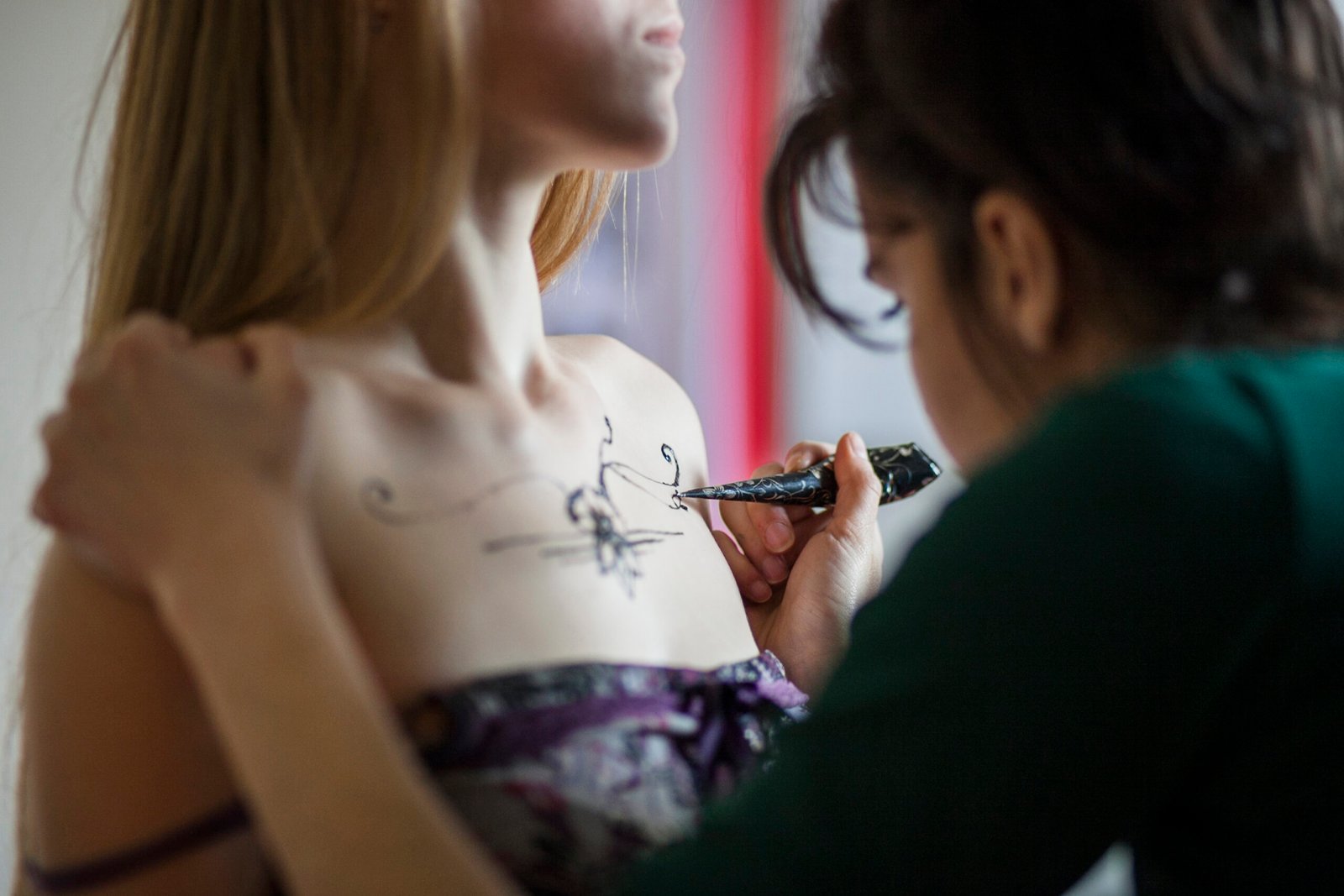
Table of Contents
ToggleIntroduction
Breast tattoos have emerged as one of the most intimate and empowering forms of body art, transcending mere decoration to become profound statements of personal narrative, healing, and self-expression . Whether you are a breast cancer survivor seeking to reclaim your body, someone looking to enhance your natural curves, or an individual desiring a deeply personal piece of art close to your heart, a breast tattoo offers a unique and powerful medium. This comprehensive guide explores the various facets of breast tattoos, from understanding the pain factor and choosing the perfect design to navigating healing and appreciating the emotional significance behind the ink . We delve into the world of breast tattoos to help you make an informed and inspired decision about this deeply personal journey.
The Multifaceted Meaning of Breast Tattoos
For many, a breast tattoo is far more than just a fashion statement. The placement itself, near the heart, often imbues the tattoo with themes of love, courage, and personal history .
One of the most powerful movements in the world of breast tattoos is its role in the recovery journey of breast cancer survivors. While medical tattooing for nipple and areola reconstruction is a common and vital step in the healing process, many women are turning to decorative and restorative tattoos to reclaim their bodies and their narratives . These tattoos are not just about covering scars; they are about transforming a site of trauma into a canvas of beauty and resilience. A phoenix rising from the ashes is a popular choice for survivors, symbolizing rebirth and triumph over adversity . Similarly, a tree of life can represent strength, growth, and deep roots in family and support systems . The act of choosing to adorn the breast area with empowering art is a profound declaration of survival and self-love, helping to close one chapter and boldly begin another .
Beyond healing, breast tattoos are also chosen for their sheer aesthetic appeal and personal significance. They can be designed to celebrate womanhood, enhance natural curves, and serve as a constant, private reminder of one’s values, beliefs, or aspirations. Whether it’s a powerful mantra in elegant script or a delicate butterfly symbolizing transformation and freedom, the breast provides an intimate canvas for a tattoo that speaks directly to the wearer’s soul .
Exploring Design Styles and Placements
The versatility of breast tattoos is immense. From the upper chest to the delicate under-boob area, each placement offers a unique aesthetic and level of visibility. Understanding the available options can help you and your artist create a piece that perfectly complements your body and your vision.
Upper Breast Tattoos
Tattoos placed on the upper breast and collarbone area are incredibly popular. They beautifully enhance the natural curves of the décolletage and offer the flexibility to be shown off or easily concealed . This area is a prime spot for:
Inspirational Quotes: A favorite choice for personal empowerment. A meaningful quote wrapping around the collarbone or sitting just above the breast serves as a daily affirmation .
Wings: Angel or butterfly wings across the upper chest symbolize freedom, protection, and the ability to rise above challenges .
Delicate Florals: Flowers like roses or lotuses are timeless, representing beauty, love, and rebirth . The watercolor style is a particularly stunning modern approach to floral tattoos in this location .
Under Breast Tattoos
The space beneath the breast offers a more discreet and sensual location. Designs in this area often flow along the natural curve of the sternum and ribs, creating an alluring effect that can be a personal secret or a stunning reveal in a bikini or crop top .
Mandala and Geometric Patterns: These designs are visually striking and represent balance, unity, and harmony. The symmetrical shapes of a mandala perfectly complement the body’s natural symmetry .
Celestial and Cosmic Designs: Moons, stars, and constellations traced along the sternum carry a magical and mysterious quality, often symbolizing guidance and connection to the universe .
Ornamental and Jewelry-Inspired Art: Designs mimicking delicate chains, pendants, or beadwork create the illusion of permanent jewelry, blurring the line between body art and adornment .
What to Expect: Pain and Aftercare
Understanding the Pain Factor
A common concern is the pain level associated with breast tattoos. The experience is subjective and depends on individual pain tolerance and the exact location, but understanding the anatomy can help you prepare.
The skin on the upper breast is relatively thin and close to the bone, which can result in a moderate to sharp sensation . However, many find the pain entirely tolerable and far from the most painful tattoo location. Some individuals even report that, due to the fatty tissue and nerve endings in the area, the pain is surprisingly minimal . In contrast, the under-boob area can be more sensitive because the sternum and ribs lie just beneath the skin . Regardless of placement, a skilled artist will pace the session and work with you to ensure your comfort. Staying hydrated and well-rested before your appointment is recommended to help manage discomfort .
Navigating Aftercare for Optimal Healing
Proper aftercare is non-negotiable for any tattoo, but it is especially critical for the breast area due to the sensitive skin and potential for friction from clothing. Healing typically occurs in stages over 14 to 21 days . Here is what you should expect and how to care for your new ink:
Heal: The body will form a protective crust over the tattoo. It is vital that you do not pick at any scabs, as this can pull out the ink and ruin the design . Your skin may be red, swollen, and uncomfortable for the first few days .
Peel: After a few days, the scabs will naturally flake and peel off. Again, let this happen on its own. Rubbing or picking can lead to loss of color .
Fade: Once the peeling stops, the tattoo will look lighter. The true color will gradually settle over the next 4 to 6 weeks .
Key Aftercare Tips:
Leave the initial dressing on for about 24 hours .
Gently wash the area with a mild, fragrance-free soap and pat it dry—never rub .
Avoid swimming pools and soaking the area in baths until it is fully healed .
Moisturize with the recommended ointment or a fragrance-free lotion to keep the skin from drying out.
Protect from the sun. A healed tattoo can be damaged by UV rays, so applying a high-SPF sunscreen is essential once it is completely healed to prevent fading.
The Rise of Medical and Restorative Tattooing
A deeply significant and growing aspect of breast tattooing is its role in post-mastectomy recovery. For many women, the final step in feeling “whole again” after breast cancer treatment is restorative tattooing to recreate the look of an areola . This is often done through specialized 3-D tattooing, where an artist uses intricate shading and colors to create the illusion of a realistic nipple and areola on a reconstructed breast. This process is customized to the patient and has become a standard part of reconstructive care . The cost for this procedure can range from $300 to $800 and is sometimes covered by grants or insurance, offering a vital service for those on their recovery journey .
Conclusion
A breast tattoo is a profoundly personal journey that combines art, emotion, and courage. Whether it is a bold statement of survival, a delicate symbol of personal growth, or a beautiful expression of femininity, the possibilities are as unique as the individual. By understanding the significance, exploring design and placement options, preparing for the experience of getting the tattoo, and committing to proper aftercare, you can ensure that your breast tattoo is not only a stunning work of art but also a lasting and meaningful part of your story.
Frequently Asked Questions (FAQ)
Q: How much does a breast tattoo hurt?
A: Pain is subjective, but most describe the sensation as moderate. The skin is thin and sensitive, leading to a stinging or burning feeling, especially near the sternum and collarbone. However, it is generally considered tolerable, and artists are experienced in working with you to manage discomfort .
Q: What are the most popular designs for breast tattoos?
A: Popular choices include floral motifs (like roses and lotuses), inspirational quotes, wings (angel and butterfly), mandalas and geometric patterns, and celestial designs (moons and stars). Symbolic imagery like the phoenix or tree of life is also very common for survivors .
Q: How long does a breast tattoo take to heal?
A: The initial healing process, including scabbing and peeling, takes about 14 to 21 days. However, it can take 4 to 6 weeks for the color to fully settle and the tattoo to be completely healed .
Q: Can I get a breast tattoo if I am a breast cancer survivor?
A: Absolutely. Many survivors choose decorative tattoos to cover scars and reclaim their bodies. It is also common to get restorative 3-D tattoos to recreate the areola and nipple after reconstruction. It is recommended to consult with your doctor and a specialized tattoo artist to discuss the best approach .
Q: Is it safe to get a breast tattoo while breastfeeding?
A: Most artists and medical professionals advise against getting a tattoo while breastfeeding due to the risk of infection and the body’s changing state. It is best to wait until you have finished breastfeeding to ensure optimal healing and safety.
Q: How much should I expect to pay for a breast tattoo?
A: The cost varies widely based on the artist’s experience, the size and complexity of the design, and your geographic location. A small, simple design will be significantly less expensive than a large, intricate piece covering a broad area. Consult with your chosen artist for a specific quote .
2025 Hyundai Palisade: Complete Guide to Features, Performance, Interior, and Pricing

Half-Kneeling Hip Flexor Stretch: Benefits, Proper Form, and How to Do It

Wasy Jet: Complete Guide to easyJet Flights, Destinations, Baggage and Travel Tips

Randy Jurado Ertll: A Voice for the Voiceless and the Magic of Salvadoran Storytelling

The Ultimate Guide to the Film “Safe Haven” (Тихая гавань) 2013: A Deep Dive into the Romantic Thriller

Workflowy Templates: The Ultimate Guide to Mastering Productivity in 2026
Trending
 Entertainment2 months ago
Randy Jurado Ertll: A Voice for the Voiceless and the Magic of Salvadoran Storytelling
- Entertainment2 months ago
The Ultimate Guide to the Film “Safe Haven” (Тихая гавань) 2013: A Deep Dive into the Romantic Thriller
- Business2 months ago
Workflowy Templates: The Ultimate Guide to Mastering Productivity in 2026
- Business2 months ago
The Definitive Guide to WXXM Madison: From Progressive Talk to Rewind 92.1
- Travel2 months ago
Conquering the Makapuʻu Tide Pools: A Guide to Oahu’s Hidden Volcanic Gems
- Fashion3 months ago
Baddie Hub: The Rise of the Internet’s Confidence-Driven Aesthetic Culture in 2026
- Nature2 months ago
Conquering the ʻAihualama Trail: Your Ultimate Guide to Oahu’s Hidden Rainforest Gem
- Sports2 months ago
The Ultimate Guide to the “104.7 Contest”: How to Win Big and Master the Rules