Introduction: Unveiling the Magic of Manoa Valley
Tucked away in the lush, emerald embrace of Oahu’s Manoa Valley lies a trail that offers a truly authentic Hawaiian rainforest experience, far removed from the bustling crowds that often flock to its more famous neighbor. The ʻAihualama Trail is not merely a path through the woods; it is an immersive journey into a world of towering bamboo forests, ancient banyan trees, and the serene sounds of native birds. While the nearby Manoa Falls Trail attracts a steady stream of tourists, the ʻAihualama Trail presents a more rugged and challenging alternative for those seeking adventure and solitude . This guide will equip you with everything you need to know to tackle this moderately difficult hike, from the practical details of parking and preparation to the rich history and breathtaking views that await at the summit. Whether you are a seasoned hiker looking for a good workout or a nature enthusiast yearning to explore Oahu’s untamed beauty, the ʻAihualama Trail promises an unforgettable experience that showcases the island’s unparalleled natural splendor.
Trail Overview and Difficulty: What to Expect
The ʻAihualama Trail is characterized as a moderate to challenging hike, best suited for individuals with a decent level of fitness and a spirit of adventure . The route begins its ascent from a junction on the popular Manoa Falls Trail and immediately distinguishes itself with a steeper, more technical climb . The trail is renowned for its demanding conditions, which can become significantly more difficult after rainfall. Hikers should anticipate navigating a path that is frequently muddy and slippery, requiring careful footing and sturdy footwear . The trail features a series of switchbacks that help manage the elevation gain as it skirts the western side of Manoa Valley, but the incline is relentless and provides an excellent cardiovascular workout . One of the most appealing aspects of the ʻAihualama Trail is the relative solitude it offers. Because it is more strenuous than the waterfall trail it branches from, it sees significantly fewer visitors, allowing hikers to connect with nature in a peaceful and undisturbed setting . You will be rewarded with the sounds of chirping birds and the rustling of bamboo leaves, a stark contrast to the chatter of crowds on the lower trail .
Terrain and Trail Conditions: Mud, Roots, and Beauty
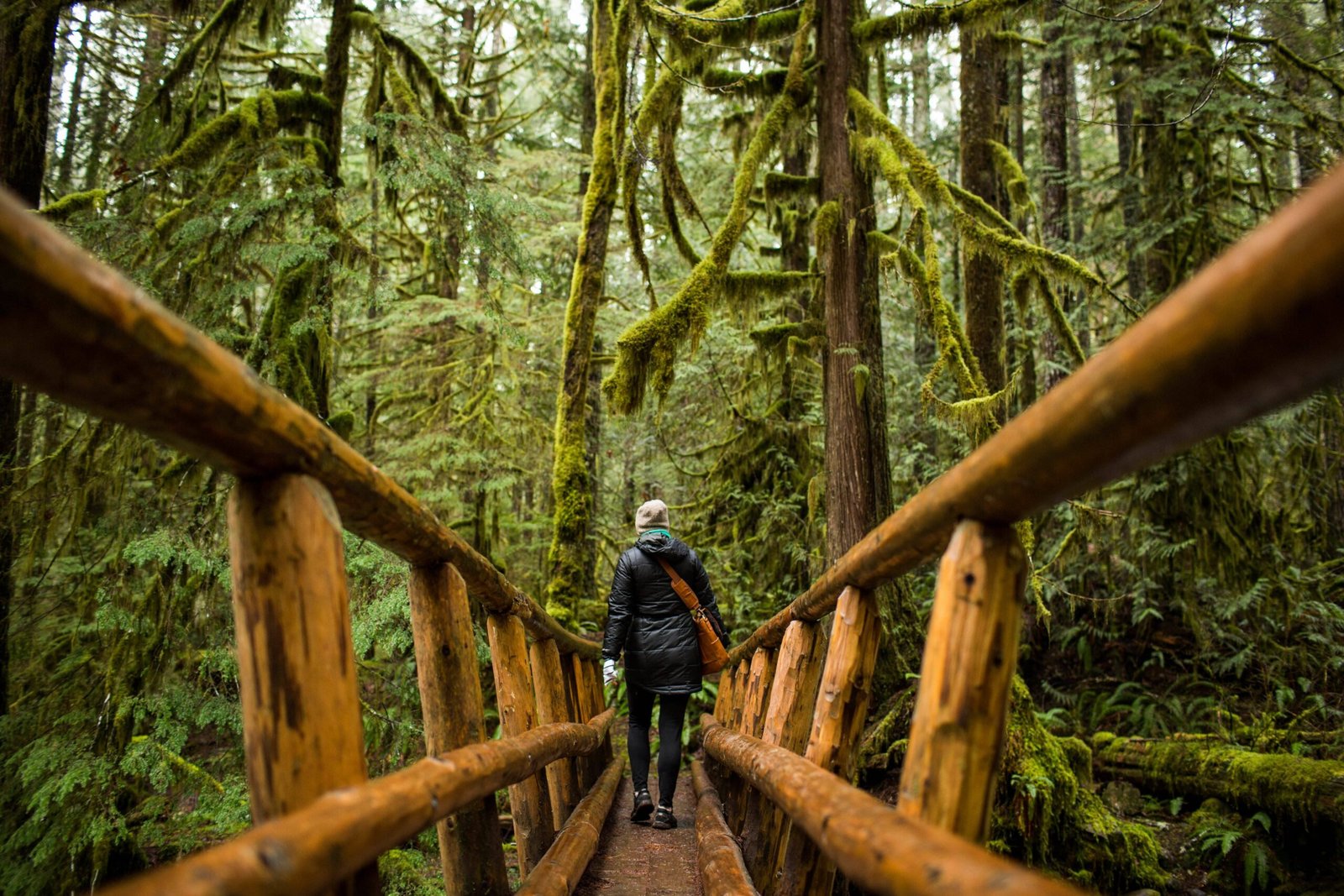
Embarking on the ʻAihualama Trail means fully embracing the elements of a tropical rainforest. The terrain is a diverse and challenging mix of muddy paths, slippery rocks, and exposed tree roots that demand constant attention . After a rain shower, sections of the trail can transform into a slick, muddy slide, making traction a primary concern. Hikers should be prepared to get their shoes and clothes dirty, as the mud is an integral part of the experience . The trail also presents physical obstacles in the form of fallen trees and large branches, which often require hikers to climb over, duck under, or squeeze through tight gaps . This adds an element of adventure and requires a degree of agility. Despite the challenging footing, the trail is incredibly scenic. It winds through dense groves of bamboo and past massive banyan trees, their roots creating intricate, otherworldly formations . The canopy of trees provides shade for much of the hike, but as you ascend, you’ll be treated to glimpses of Manoa Valley below, making every step of the challenging climb worthwhile .
Connecting Trails and Key Landmarks: Exploring the Network
The ʻAihualama Trail is a vital artery in the larger Honolulu Mauka Trail System, offering adventurous hikers several options to extend their journey . The trail concludes at a junction with the Pauoa Flats Trail, also known as the Nu’uanu Valley Lookout, which is the primary destination for many hikers . This lookout provides a panoramic vista of the Nu’uanu Valley, a breezy and cool reward after the strenuous ascent . From this junction, hikers can turn right and follow the Pauoa Flats Trail to the scenic overlook, which offers breathtaking views of the windward side of the island . The network of trails also connects to the Nu’uanu and Pu’u Ohia trails, allowing for much longer and more challenging loops for seasoned hikers . It is important to note that the ʻAihualama Trail itself does not take you to the top of Manoa Falls. It begins near the base of the falls, but its path leads upwards and away from it . The waterfall at the end of the Manoa Falls Trail is the starting point for this adventure, not the final destination.
Historical Background: A Walk Through Time
The ʻAihualama Trail is not just a path through nature; it is a corridor through Hawaiian history and legend. The area has a long and colorful past, with the first scene of the grisly Hawaiian legend of Kahalaopuna taking place along the ʻAihualama Stream . The trail itself has deep roots in the history of modern Hawaii. In 1919, the Hawaiian Sugar Planters Association (HSPA) established a small station in the area, which would later become the Lyon Arboretum. To facilitate access for reforestation projects, HSPA crews built the trail that switchbacks up the steep slope to Pauoa Flats . For many years, the trail fell into a state of disrepair until 1978, when volunteers under the direction of the Sierra Club, Hawaiʻi Chapter, restored the deteriorated switchbacks and built a new connection to the Manoa Falls Trail . Walking the ʻAihualama Trail today, you are treading on a path built by plantation workers and restored by conservationists, carrying the legacy of both ancient Hawaiian legend and 20th-century industry.
Practical Tips for Your Hike: Preparation is Key
What to Wear and Bring
Proper preparation is crucial for a safe and enjoyable hike on the ʻAihualama Trail. The most important item is sturdy hiking shoes with good traction. Sneakers or flip-flops are a recipe for a slip and fall on the muddy, rocky terrain . Expect to get wet and muddy, so wearing clothes that you don’t mind getting dirty is essential . Bring plenty of water to stay hydrated, as there is no potable water along the trail . Insect repellent is also highly recommended, as the rainforest environment is home to mosquitoes and other bugs .
Parking and Access
Parking for the ʻAihualama Trail is available at the Manoa Falls trailhead parking lot. There is a fee of $7 for non-residents, which is considered plentiful and convenient for those who arrive early . Another access point is via the Lyon Arboretum. However, it is critical to note that the Lyon Arboretum is a research facility that requires reservations, charges a small donation or fee, and is closed on weekends and holidays . Accessing the trail through the arboretum is a great option on weekdays, but the Manoa Falls trailhead is the most reliable and direct route for most visitors.
Safety Considerations
Safety should always be a priority on this hike. The trail has narrow sections and steep drop-offs, so caution is advised, especially when the ground is wet . There are also occasional pig control hunts in the area on Wednesdays and Sundays, so it is wise to check for posted warnings and keep dogs on a leash . The trail is not recommended for young children, individuals with mobility issues, or anyone prone to ankle or knee injuries due to the uneven and often treacherous footing . Allow yourself ample time (approximately 2-4 hours round trip) to complete the hike without rushing, especially if you plan on taking in the views .
Conclusion: The Ultimate Reward for the Adventurous Soul
The ʻAihualama Trail is more than just a hike; it is a rite of passage for those who wish to experience the raw, untamed beauty of Oahu’s rainforests. While it presents a significant physical challenge with its steep inclines, relentless mud, and technical obstacles, the rewards are immeasurable. The journey through serene bamboo forests, the thrill of navigating past giant banyan trees, and the profound quietude that comes from being on a less-traveled path make every muddy step worthwhile . Reaching the Pauoa Flats lookout and taking in the expansive views of Nu’uanu Valley is a powerful moment of accomplishment that connects you to the island’s breathtaking landscape and its deep history . For the experienced hiker looking to escape the crowds and truly earn their view, the ʻAihualama Trail offers an adventure that resonates long after the mud has been washed away, cementing its place as one of Oahu’s most memorable and rewarding hiking experiences.
Frequently Asked Questions (FAQ)
Q: What is the overall difficulty of the ʻAihualama Trail and how long does it take?
A: The trail is generally rated as moderate to challenging . It involves navigating steep inclines, muddy and rocky terrain, and obstacles like fallen trees. The hike typically takes between 2 and 4 hours to complete round trip, depending on your pace, fitness level, and trail conditions .
Q: How do I get to the trailhead and where can I park?
A: The most common access point is via the Manoa Falls trailhead. Follow Manoa Road to the end, where you’ll find the parking area for a fee (often around $7) . Another route is through the Lyon Arboretum, which requires a reservation and is only open on weekdays .
Q: Is the trail dog-friendly?
A: Yes, the ʻAihualama Trail is pet-friendly, and leashed dogs are allowed . However, hikers should be aware that pig control hunts with hunting dogs occur on certain days, so it’s best to exercise caution .
Q: What is the best time of year to hike this trail?
A: The trail is open year-round, but the best time to hike is during drier weather to minimize the mud and slippery conditions . The waterfall’s flow will be more impressive after rain, but be prepared for a more challenging and sloppy hike. It’s advisable to start early in the morning to beat the heat and the afternoon rain showers common in the valley .
Q: What kind of terrain and scenery can I expect?
A: Expect a diverse rainforest terrain featuring deep mud, slippery rocks, and exposed tree roots that require careful footing . The scenic highlights include beautiful bamboo forests, large banyan trees, and a final viewpoint offering panoramic views of Nu’uanu Valley and, on clear days, the Pacific Ocean .