
Home
What is a Mother? A Comprehensive Exploration of Motherhood, Mothering, and the Modern Mother

Published
4 months agoon

Table of Contents
ToggleIntroduction
The question “what is a mother” seems deceptively simple at first glance. We all have an intuitive understanding of the term—a mother is the woman who gives birth to a child, who nurtures and raises that child through infancy and beyond. But as we peel back the layers of this fundamental question, we discover that motherhood is one of the most complex, contested, and evolving concepts in human society. Motherhood is simultaneously a biological fact, a social institution, a deeply personal identity, and a cultural construct that has been shaped and reshaped across centuries and civilizations.
Understanding what it truly means to be a mother requires us to look beyond the biological act of childbirth and examine the rich tapestry of experiences, expectations, and responsibilities that define maternal life. From the sociological perspective, scholars distinguish between motherhood as a social institution and mothering as the daily practices of caring for children. The term “motherhood” dates back to the 1400s and has long been imbued with a sense of unquestionable goodness and moral authority, yet this idealized image often obscures the complex, challenging, and deeply personal realities that women actually experience. This article explores the multidimensional nature of motherhood, examining its biological foundations, its social construction, and the ways in which mothers navigate the intricate demands of raising children in the modern world.
The Biological and Evolutionary Foundations of Motherhood
Motherhood as a Biological Imperative
At its most fundamental level, the question “what is a mother” begins with biology. A mother is the female parent who provides the biological contribution to reproduction through gestation and childbirth. This biological connection is profound and undeniable—each of the billions of humans on Earth was produced by a woman’s pregnancy. The biological reality of motherhood involves significant physical transformations, hormonal changes, and physiological processes that prepare a woman’s body for carrying, delivering, and nourishing a child. The capacity for motherhood is rooted in the basic human body plan, which research has shown to be fundamentally female, with maleness developing only after specific hormonal signals are activated during fetal development.
The Evolutionary Significance of Maternal Care
From an evolutionary perspective, motherhood represents one of the most critical functions for species survival. Human infants are born remarkably helpless compared to many other mammals, requiring extended periods of care, protection, and nourishment. This dependency has shaped not only human biology but also human social structures and behaviors. Mothers have evolved to develop deep, responsive bonds with their infants through mechanisms such as breastfeeding, skin-to-skin contact, and the release of bonding hormones like oxytocin. These biological adaptations ensure that infants receive the attentive care necessary for survival and healthy development. However, as scholars have noted, nature provides a variety of conditions for mothering across different species, with some animals engaging in shared parenting or even exclusive paternal care. This diversity reminds us that while biology provides the foundation for motherhood, the specific practices and expectations surrounding it are profoundly shaped by culture and environment.
Motherhood as a Social Institution and Cultural Construct
The Distinction Between Motherhood and Mothering
One of the most important contributions to understanding what a mother is comes from feminist scholarship, which has drawn a crucial distinction between the terms “motherhood” and “mothering.” The influential poet and feminist Adrienne Rich first articulated this distinction in the 1970s, using “motherhood” to refer to the patriarchal institution that is male-defined, male-controlled, and often oppressive to women. By contrast, “mothering” was identified as the female-defined experience of raising children, which has the potential to be empowering and personally meaningful for women. This distinction helps us understand that being a mother involves navigating between external expectations and internal experiences. The institution of motherhood comes with a set of prescribed roles, duties, and moral judgments that are imposed by society, while mothering represents the actual, lived practice of caring for children in all its messy, joyful, and challenging reality.
The Social Construction of Motherhood
Scholars emphasize that motherhood is not simply a natural fact but is socially constructed—meaning that what we think of as “motherhood” has been created and shaped by human societies over time. The Blackwell Encyclopedia of Sociology defines motherhood as “the social expectations, experiences, and structures associated with being a mother,” differentiating these social aspects from the biological fact of producing a child. This social construction means that ideas about what a mother should be, what she should do, and how she should feel vary dramatically across different historical periods, cultures, and social contexts. In contemporary Western societies, for instance, mothers are expected to be intensely devoted to their children’s wellbeing, often to the point of self-sacrifice. This expectation is not universal across all human societies or all historical periods—it is a product of specific cultural values and economic conditions.
The “Good Mother” Ideal and Its Consequences
One of the most powerful aspects of motherhood as a social institution is the pervasive and often unattainable ideal of the “good mother.” Mothers in Western societies are bombarded with messages promoting idealized images of motherhood as nurturing, protective, and self-sacrificing, while simultaneously being criticized for being domineering, overprotective, or responsible for their children’s failures. This impossible standard has been termed the “motherhood mystique”—the shared cultural belief that motherhood provides ultimate fulfillment for all women. The pressure to conform to this ideal can create immense psychological strain, as mothers feel they must live up to expectations that are not only unrealistic but also constantly shifting. Popular media, parenting experts, and government campaigns frequently contribute to this pressure by offering conflicting advice and moral judgments about how mothers should behave.
The Multidimensional Realities of Motherhood
Motherhood as a Site of Empowerment and Oppression
The experience of motherhood is profoundly complex and often contradictory. For many women, becoming a mother is a deeply meaningful and transformative life experience that brings joy, purpose, and a sense of connection. Mothering can be a site of empowerment, allowing women to develop new skills, discover inner strength, and build meaningful relationships with their children. However, motherhood can also be a site of oppression. Historically, women’s reproductive capacity has been used to exclude them from positions of power, decision-making, and public life. The responsibility of caring for children has often served as an alibi for limiting women’s opportunities outside the home. Women who become mothers navigate these competing pressures, often finding themselves caught between the fulfillment they derive from mothering and the constraints imposed by societal expectations and institutional structures.
The Impact of Social Context on Mothering Practice
Understanding what it means to be a mother requires attention to the various social factors that shape mothering experiences. Women do not mother in a vacuum; they mother within specific contexts defined by their cultural background, social class, race, sexual orientation, employment situation, and the quality of their intimate relationships. These intersecting factors profoundly influence not only how women experience motherhood but also the resources and support available to them. A mother raising children in poverty faces different challenges and constraints than a mother with ample financial resources. A mother who is a member of a racial minority may experience discrimination and stereotyping that affects her parenting. A single mother managing work and childcare faces different pressures than a mother with a supportive partner. Scholars use the concept of “intersectionality” to understand how these multiple social identities interact to shape mothers’ lives, arguing that research on mothers must move beyond simplified categories to capture the rich complexity of diverse maternal experiences.
The Transition to Motherhood and Its Challenges
The journey into motherhood involves a profound transition that touches nearly every aspect of a woman’s life. Pregnancy, childbirth, and the early months of caring for an infant represent a period of intense change—physically, emotionally, socially, and practically. Research has shown that new mothers face significant challenges in adjusting to their new roles, including managing the physical demands of recovery and infant care, navigating changes in their intimate relationships, and making decisions about employment and childcare. The transition to motherhood can also bring financial pressures, as families adjust to new expenses and potentially reduced income. Mental health is a critical concern during this period, with many women experiencing postpartum depression or anxiety. The expectation that mothers should experience only joy and fulfillment during this time can make it difficult for women to acknowledge and seek help for emotional struggles.
Motherhood and the Modern Digital Landscape
The Evolution of Motherhood in the Information Age
The advent of the internet and social media has fundamentally transformed what it means to be a mother in the modern world. Research has consistently shown that mothers use the internet intensively to support their parenting roles, often conducting nearly twice as many searches as non-mothers. Mothers have become what one study described as “black belts in search,” with three out of four mothers believing they have become better at searching online compared to a year ago. Mothers ask highly specific, real-world questions in their searches—rather than typing simple keywords, they use full sentence queries such as “what should baby poop look like?” or “how do I teach my toddler water safety?”. This shift toward natural, conversational searching has significant implications for how information about motherhood is created and discovered online.
The Rise of Mom Content Creators and the Authenticity Imperative
One of the most significant developments in how motherhood is represented online has been the rise of “mommy bloggers” and mom influencers as authoritative voices on parenting topics. These content creators have emerged as powerful voices because they produce content that mirrors the way actual mothers search for information—it is natural, conversational, rooted in real experiences, and focused on solving concrete problems. The content created by moms is increasingly recognized as “LLM-friendly,” meaning it aligns with how large language models like those powering AI search engines understand and prioritize information. This content is not stuffed with keywords in a way that feels forced or inauthentic; instead, it uses organic, conversational language that resonates with both human readers and AI systems.
In the age of AI-driven search, authenticity has become not just a branding strategy but a discoverability imperative. AI systems are designed to prioritize content that is helpful, authoritative, and trustworthy—qualities that mom bloggers naturally embody. When a mom blogger shares her experience potty training a toddler or reviews a baby carrier after using it extensively, she provides rich context and genuine insights that AI systems can recognize as valuable. The engagement signals that mom content creators generate—comments, shares, and discussions within their communities—further signal to AI systems that the content resonates with real people and addresses genuine needs. As the search landscape continues to evolve, what mothers create online is becoming increasingly central to how other mothers find the information and support they need.
Conclusion
The question “what is a mother” does not have a single, simple answer. A mother is a biological parent who gives birth to a child, but she is also something far more complex. She is a figure shaped by millennia of cultural expectations, a social actor navigating institutional pressures and societal judgment, and an individual whose experience of mothering is profoundly shaped by her personal circumstances, cultural context, and the particular challenges and joys of her own journey. Motherhood is simultaneously a universal human experience—we were all born of mothers—and a deeply personal one that each mother experiences in her own way.
Perhaps the most important insight from examining motherhood across dimensions is that mothers are not a monolithic group. They mother in different ways, face different challenges, and draw on different resources. Some mothers find immense empowerment and meaning in their role, while others struggle under the weight of unrealistic expectations and limited support. Some mother within supportive communities and relationships, while others navigate the demands of parenting largely alone. Understanding what a mother truly is requires us to listen to the voices of mothers themselves, to recognize the complexity of their experiences, and to move beyond idealized images toward a more honest and inclusive understanding of maternal life.
Frequently Asked Questions
What is the difference between motherhood and mothering?
Motherhood refers to the social institution, expectations, and cultural norms surrounding being a mother, while mothering refers to the actual practices and experiences of caring for children. Motherhood is often male-defined and can be oppressive, while mothering is the female-defined experience that can be empowering.
Is motherhood primarily biological or social?
Motherhood has both biological and social dimensions. The biological aspect involves reproduction and physical caregiving, while the social aspect involves cultural expectations, roles, and meanings assigned to being a mother. The two are deeply intertwined, but scholars emphasize that our understanding of motherhood is largely socially constructed and varies across time and cultures.
Why do mothers use the internet differently than other people?
Research shows mothers conduct nearly twice as many searches as non-mothers, often using specific, conversational queries to find solutions to real-world parenting challenges. Mothers treat search engines as extensions of their memory, delegating tasks like finding recipes, reviewing products, and locating coupons to online searches.
What is the “good mother” ideal and why is it problematic?
The “good mother” ideal is the cultural expectation that mothers should be protective, nurturing, self-sacrificing, and find complete fulfillment in motherhood. It is problematic because it sets unrealistic standards, creates pressure and guilt, and fails to acknowledge the diversity of mothers’ experiences and the challenges they face.
How have mom bloggers changed the way mothers get information?
Mom bloggers have become trusted sources because they create authentic, experience-based content that speaks in the natural language mothers use. Their content is valued by AI search engines for its helpfulness and authority, and they build communities through engagement that signals the relevance and trustworthiness of their information.
What challenges do mothers face in the transition to parenthood?
The transition to motherhood involves physical recovery, emotional adjustment, changes in intimate relationships, financial pressures, decisions about employment, and the practical demands of infant care. Mental health challenges like postpartum depression are common, and societal expectations that mothers should feel only joy can make it difficult to seek help.
How does social context affect mothering experiences?
A mother’s experience is shaped by factors including her culture, social class, race, sexual orientation, employment situation, and relationship quality. These intersecting factors influence the resources, support, and challenges she faces, making motherhood a varied experience rather than a universal one.
You may like
Home
The Ultimate Guide to Vertical Planters: Transform Your Space and Maximize Your Green Potential
Published
3 months agoon
July 23, 2026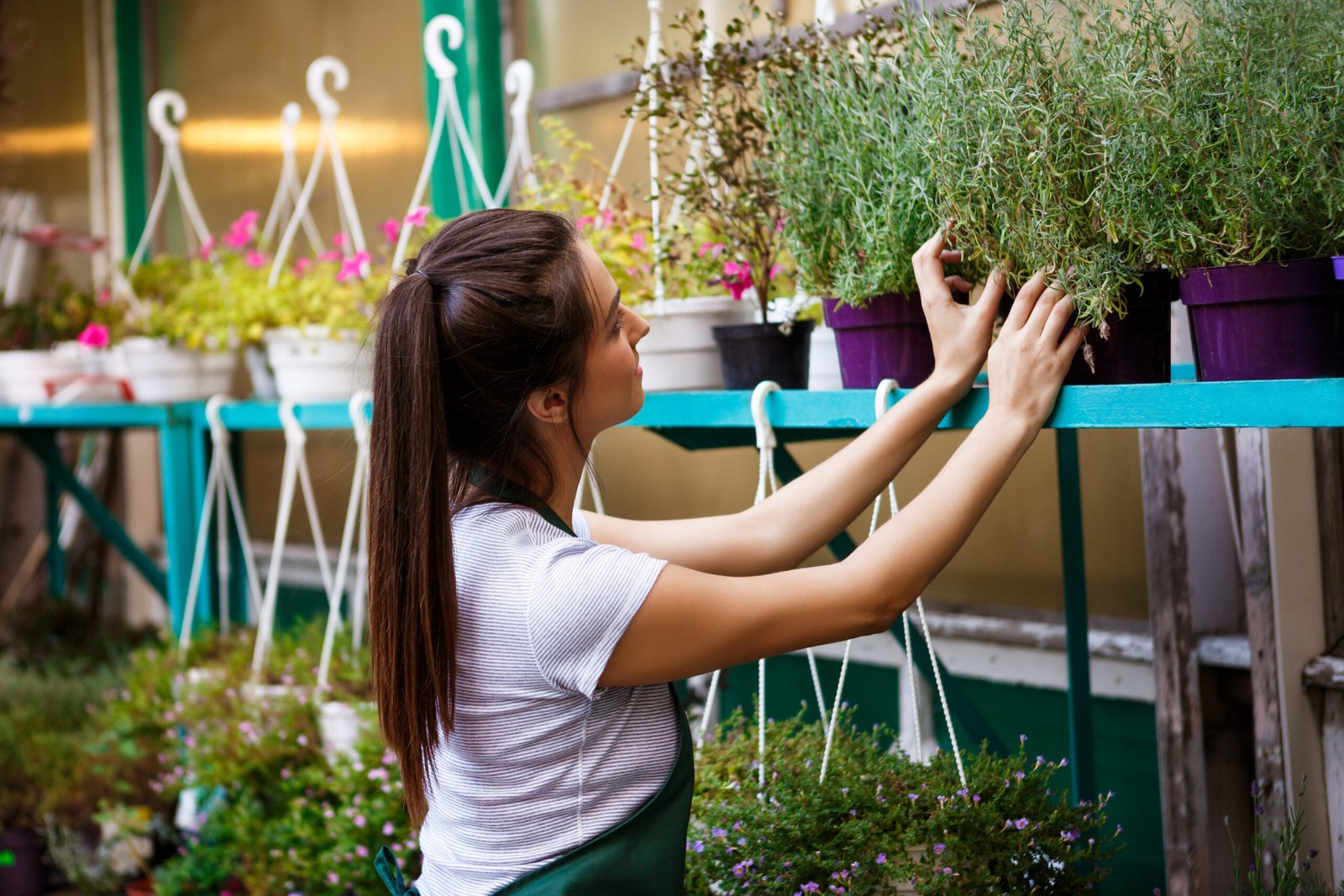
Table of Contents
ToggleIn an age where urban living often means sacrificing outdoor space, the desire to cultivate a lush garden can feel like a luxury reserved for those with sprawling backyards. Yet, the human need to nurture and connect with nature remains as strong as ever. This is where the vertical planter steps in, not just as a gardening accessory, but as a revolutionary solution for modern living. Imagine transforming a bare wall into a tapestry of greenery, a small balcony into a productive vegetable patch, or a sterile fence into a vibrant ecosystem. Vertical planters are the key to unlocking this potential, offering an innovative and efficient way to maximize every inch of available space. Whether you are a seasoned gardener or a complete beginner, the vertical garden planter provides a pathway to bountiful yields, enhanced aesthetics, and a more sustainable lifestyle, all from the comfort of your own home.
Why Vertical Planters are the Future of Urban Gardening
The concept of vertical gardening is elegantly simple: grow plants upwards instead of outwards. This fundamental shift in approach offers a multitude of benefits that make it an increasingly popular choice for homeowners and apartment dwellers alike. One of the most obvious advantages is space-saving. A vertical planter uses the often-neglected vertical plane of a wall, fence, or balcony railing, freeing up valuable floor space that can be used for other purposes. For instance, a single 6-foot section of a fence can be transformed with planter boxes to hold as much produce as a small raised bed, turning underutilized areas into highly productive gardening zones.
Beyond simple space efficiency, vertical planters bring a host of practical and aesthetic advantages. They provide an immediate and effective privacy screen and can act as a sound buffer, softening street noise with their leafy foliage. From a plant health perspective, the improved air circulation around vertical planters helps reduce the risk of fungal diseases, and their elevation makes them less accessible to ground-dwelling pests like slugs, leading to healthier and more productive plants. Furthermore, the design of many vertical systems often allows for efficient water use, where water trickles down from the top tiers to the lower ones, ensuring all plants receive moisture and reducing waste. This combination of practical benefits, from saving water to deterring pests, makes the vertical planter a compelling choice for any gardener looking to maximize their efforts.
Choosing the Right Vertical Planter System
Navigating the world of vertical planters can be as exciting as it is daunting, given the sheer variety of designs available. Each type of system is tailored to specific needs, spaces, and plant types, so understanding these differences is crucial for success.
Types of Vertical Planters
Stackable Planters: These are among the most popular and versatile options, consisting of tiered units that stack on top of each other. They are ideal for small patios, balconies, or any area where floor space is at a premium. Their modular nature allows for easy customization; for instance, the Greenstalk® system lets you add or remove tiers to suit your space and planting needs, and many come with built-in watering systems that make maintenance simple. Stackable planters are perfect for growing strawberries, herbs, and a variety of vegetables and flowers, allowing for incredible plant diversity in a small footprint.
Wall-Mounted Planters: These systems are designed to be affixed directly to a wall or fence, making them excellent choices for creating dramatic living walls or green screens. They can range from individual pockets in a fabric system, like the 36-pocket vertical garden, to more rigid modular boxes. Wall-mounted planters are highly effective for growing shallow-rooted plants like succulents, herbs, and trailing ornamentals, and they can significantly enhance curb appeal or create a tranquil indoor garden. However, it’s important to ensure the wall structure is strong enough to support the weight of the soil and plants when wet.
Freestanding Planters: For those who prefer not to attach anything to a wall, freestanding vertical planters are a brilliant solution. These are self-supporting structures that can be placed anywhere, from a terrace to a patio. Some are designed with a leaning frame, allowing plants to cascade down in a stunning display, while others, like the L-shaped or tiered wooden gardens, can be placed against a wall to create a vertical feature without permanent installation. Many freestanding options are portable, allowing you to move them to optimize sunlight exposure throughout the year.
Planter with Trellis: This hybrid design combines a traditional planter base with an integrated trellis or support structure. It is the ideal choice for growing climbing plants such as beans, cucumbers, and peas, or beautiful vines like clematis. The trellis provides essential support, allowing the plant to grow vertically and maximizing yield from a small footprint. This classic approach is simple, effective, and particularly well-suited for edible gardens where space is limited.
Hydroponic Panel Systems: Representing the cutting edge of vertical gardening, these high-tech systems grow plants without soil, using nutrient-rich water. They are the backbone of many commercial vertical farms, but smaller versions are increasingly available for home use. Hydroponic panels can increase yields per square foot by two to six times compared to traditional soil planting and use up to 95% less water in a closed-loop system. While they have higher initial setup costs and require a steeper learning curve, they offer unmatched efficiency and speed, with crops like lettuce cycling from seed to harvest in as little as 21 days.
Matching Planters to Your Plants
The success of your vertical garden hinges on choosing the right system for the right plant. As a general rule, shallow-rooted, leafy plants are the best candidates for most vertical planters.
Herbs and Salad Greens: These are the superstars of vertical gardening. Plants like basil, parsley, mint, cilantro, lettuce, and spinach thrive in the shallow depths of pocket planters, stackable systems, and wall-mounted gardens.
Strawberries and Trailing Plants: Strawberries are a classic choice for vertical planters, particularly stackable and pocket designs where their runners can cascade beautifully. Trailing ornamentals like ivy or nasturtiums also perform exceptionally well.
Vegetables: While most vertical gardens are best suited for smaller crops, you can grow a wider variety with the right system. Choose determinate (bush) tomato and cucumber varieties, and use systems with deeper troughs or trellises for beans, peas, and squash. A trellis planter is essential for heavy climbers like pole beans.
Succulents: These drought-tolerant plants are perfect for shallow, well-draining wall-mounted systems, especially living wall panels where their unique forms and colors can create a stunning visual tapestry.
Materials and Longevity: What to Look For
The material of your vertical planter significantly impacts its durability, weight, and aesthetic appeal. Popular choices include cedar and other rot-resistant woods, which offer a classic, natural look and good insulation for roots. However, for outdoor use, they often require sealing to prevent weathering. Metal planters, particularly those made of powder-coated aluminum or galvanized steel, are highly durable, offer a modern aesthetic, and are resistant to rust. Plastic and resin planters are lightweight, affordable, and often made from UV-stable materials, but they may lack the charm of wood or metal. For edible gardens, it is vital to check that plastics are BPA-free and labeled as food-safe. Fabric pocket systems are an inexpensive and lightweight option but typically have a shorter lifespan, often needing replacement every few seasons depending on sun exposure.
Building and Maintaining a Thriving Vertical Garden
Establishing and caring for a vertical planter is straightforward, but following a few key steps can ensure its long-term health and beauty. Firstly, it is critical to use a high-quality potting mix rather than garden soil, which is too heavy and can lead to poor drainage. A high-quality mix is lighter, provides better aeration for the roots, and retains the necessary moisture without becoming waterlogged. Proper watering is the most common challenge, as vertical planters can dry out faster than ground beds. For this reason, many systems are designed with built-in irrigation or a trickle-down watering well at the top, a feature highly recommended for ease of maintenance. Regular feeding is also essential, as nutrients leach out faster in containers; a continuous-release fertilizer applied at planting time can help keep plants thriving. Finally, regular harvesting, pruning, and deadheading will not only keep the display looking beautiful but also encourage more productive growth throughout the season.
Conclusion
The vertical planter is far more than a passing trend; it is a practical and transformative tool that redefines what is possible in gardening. It empowers you to grow a diverse bounty of flowers, herbs, and vegetables, regardless of the size of your living space. By making use of underutilized vertical surfaces, these ingenious systems offer a simple yet profound solution to the challenges of modern urban gardening, delivering benefits that range from aesthetic beauty and enhanced privacy to improved plant health and water conservation. Whether you opt for a simple stackable system for your balcony or a sophisticated hydroponic panel for your patio, the journey into vertical gardening is an investment in a greener, more productive, and more beautiful environment. Embrace the opportunity to watch your garden grow—upwards.
Frequently Asked Questions (FAQ)
What exactly is a vertical planter?
A vertical planter is a gardening system designed to grow plants in a stacked, upright, or tiered arrangement instead of spreading them across the ground. These systems can be wall-mounted, freestanding, or stackable, making them ideal for small patios, balconies, and even indoor walls.
What types of plants grow best in vertical planters?
Vertical planters are best suited for plants with shallow root systems. Common choices include herbs like basil and mint, salad greens like lettuce and spinach, trailing plants like strawberries and ivy, and compact vegetables like bush beans and cherry tomatoes. Climbing plants like cucumbers and pole beans are perfect for vertical planters with an integrated trellis.
Are vertical planters high maintenance?
Maintenance can vary by design. Many modern vertical planters feature built-in irrigation systems that make watering easier and more efficient. In general, plants in vertical systems may dry out faster than those in the ground, so regular watering is important. However, they require less bending and kneeling for care and are generally easier to weed and harvest.
What is the best material for a vertical planter?
The best material depends on your needs and aesthetic preferences. Cedar is a popular, durable, and attractive wood for a classic look. Powder-coated metal is excellent for durability and modern design, as it resists rust. UV-resistant plastic/resin is lightweight, cost-effective, and weather-resistant. Always look for BPA-free, food-safe plastics if you are growing edibles.
How do stackable vertical planters work?
Stackable planters consist of multiple pot-like tiers that are stacked on top of each other. They often have a central pole for stability and an open center that allows water poured at the top to trickle down to all the lower tiers, providing even moisture distribution to all the plants in the system.
Can I use a vertical planter indoors?
Yes, many vertical planters are suitable for indoor use. Consider factors like light availability and choose systems with drainage plugs to prevent water damage. Certain designs, like the Cyan Design vertical garden, are specifically built for indoor aesthetics, while many others can be used both inside and outside depending on their material and design.
Home
The Ultimate Guide to Plant Walls: Transforming Spaces with Nature’s Living Art
Published
3 months agoon
July 23, 2026
Table of Contents
ToggleIn an era where urbanization and environmental consciousness intersect, the concept of the “plant wall” has emerged as a revolutionary force in interior and exterior design. Also known as living walls, vertical gardens, or green walls, these botanical installations are far more than mere decorative elements—they represent a fundamental shift in how we connect with nature in our built environments. The plant wall phenomenon has captured the imagination of architects, designers, homeowners, and corporations alike, offering a compelling solution to the disconnect between modern living and the natural world. As research continues to validate the numerous benefits of integrating plants into human spaces, plant walls have evolved from a niche trend to a mainstream design element with profound implications for health, sustainability, and aesthetic appeal.
The science behind plant walls draws upon our understanding of plant cell biology and the remarkable properties of the plant cell wall itself. Just as the plant cell wall provides structure, support, and protection to individual plant cells, a living wall system provides similar benefits to the built environment—structurally supporting plant life while creating a protective barrier that regulates temperature, filters air, and enhances human wellbeing. This deep connection between the microscopic architecture of plant cells and the macroscopic application of living walls underscores the ingenuity of nature’s design principles and their translation into sustainable solutions for modern challenges.
Understanding the Plant Wall: A Living System
At its core, a plant wall is a system of vegetation grown vertically on a structure, whether attached to interior walls, exterior facades, or as freestanding installations. The concept extends far beyond simply placing potted plants on shelves; instead, plant walls employ sophisticated hydroponic or soil-based systems that support plant growth in a vertical orientation. These systems typically incorporate an irrigation mechanism, a growth medium, and a structural framework that allows plants to thrive without the constraints of traditional horizontal gardens.
The evolution of plant walls reflects a growing appreciation for biophilic design—the practice of connecting people with nature in the built environment. This design philosophy recognizes that humans have an innate affinity for natural elements and that incorporating living systems into our surroundings yields tangible psychological and physiological benefits. Plant walls represent perhaps the most direct expression of biophilic design, creating immersive natural experiences within spaces that might otherwise be devoid of greenery.
Modern plant walls incorporate technology and horticultural expertise to create sustainable, low-maintenance installations that can flourish indoors and outdoors. Advanced irrigation systems monitor moisture levels and deliver nutrients precisely where needed, while LED grow lights supplement natural illumination in spaces with limited sunlight. The result is a living artwork that continues to grow, change, and evolve over time, offering a dynamic visual experience that static decorations cannot replicate.
The Science Behind Plant Growth and Plant Wall Success
Understanding what makes plant walls successful requires appreciating the biology of plants themselves. The plant cell wall, that remarkable structure surrounding every plant cell, provides the foundation for understanding how plants can thrive in vertical systems. Plant cells are distinguished from animal cells by the presence of this rigid yet dynamic cell wall, which is primarily composed of cellulose microfibrils embedded in a matrix of other polysaccharides such as hemicellulose and pectin . This composite structure gives plants their characteristic strength and rigidity while remaining flexible enough to accommodate growth.
The plant cell wall serves multiple essential functions that directly relate to how plants perform in vertical garden systems. It provides mechanical support, allowing plants to maintain their shape and resist the forces of gravity—particularly important in vertical applications where plants must overcome gravity to transport water and nutrients . The cell wall also regulates growth and expansion, controlling cell volume and determining the ultimate shape and size of plant tissues. This growth regulation is crucial in plant wall systems, where maintaining desired aesthetic forms while allowing for healthy development requires careful management.
The primary cell wall, found in all growing plant cells, is relatively thin and extensible, allowing for cell expansion during growth . This layer contains approximately 15-40% cellulose, 30-50% pectic polysaccharides, and 20-30% hemicelluloses like xyloglucans . The composition of this primary wall is critical for plant health in vertical systems, as it determines the cell’s ability to absorb water and nutrients while maintaining structural integrity. Pectic polysaccharides are particularly important for wall hydration, which is essential for the slippage and separation of cellulose microfibrils during expansive growth .
Many plant wall species also develop secondary cell walls as they mature, which provide additional strength and rigidity. These secondary walls, deposited after growth has ceased, contain higher proportions of cellulose and often include lignin, a complex polymer that adds significant mechanical strength and resistance to degradation . Understanding this distinction between primary and secondary cell walls helps horticulturists select appropriate plant species for different plant wall applications, ensuring that chosen species will thrive in the specific conditions of the installation.
Key Components of a Successful Plant Wall
A successful plant wall depends on several critical components working in harmony. The structural support system provides the framework that holds the plants and growing medium in place, typically constructed from metal or rigid plastic panels that can bear the significant weight of saturated growing media and mature plants. These support structures must be engineered to accommodate both the static load of the system and dynamic loads from wind, water, and plant growth.
The growing medium serves as the foundation for plant health, providing physical support, water retention, and nutrient delivery. Different systems employ various media, from soil-based systems that mimic traditional container gardening to hydroponic systems that use water and nutrient solutions without soil. Soil-based systems tend to support a wider range of plant species and provide more natural growing conditions, but can be heavier and more prone to drainage issues. Hydroponic systems are lighter, cleaner, and more efficient in water use, making them popular for indoor applications.
Irrigation is perhaps the most technically demanding aspect of plant wall maintenance. Vertical orientation creates unique challenges for water distribution, as gravity tends to pull water downward, potentially creating dry zones at the top and oversaturated conditions at the bottom. Advanced irrigation systems use drip emitters, misters, or recirculating water systems to ensure even distribution and prevent water waste. Many contemporary systems incorporate smart sensors that monitor soil moisture and adjust watering schedules automatically.
Lighting plays an equally crucial role in plant wall success. While many indoor plant walls rely on natural light, supplemental artificial lighting is often necessary to maintain healthy growth, particularly in spaces with limited windows or during dark winter months. Modern LED grow lights offer full-spectrum illumination that promotes photosynthesis while being energy-efficient and generating minimal heat.
Environmental Benefits of Plant Walls
Plant walls offer remarkable environmental benefits that extend well beyond their aesthetic appeal. Perhaps most significantly, plant walls contribute to air purification by filtering airborne pollutants and particulates. Plants absorb gases through their leaves, metabolizing volatile organic compounds and other harmful substances while releasing oxygen as a byproduct of photosynthesis. The vast leaf surface area of a plant wall provides exceptional air-cleaning capacity relative to its footprint, making it an efficient solution for improving indoor and urban air quality.
The energy-saving potential of plant walls has gained significant attention from building owners and sustainability advocates. Interior plant walls can reduce heating and cooling costs by providing natural insulation and moderating indoor temperatures. Through the process of evapotranspiration, plants release moisture vapor that cools the air, reducing the need for air conditioning. Exterior green walls similarly reduce the heat island effect common in urban environments, where concrete and asphalt absorb and retain heat, elevating local temperatures. A study of sustainable living wall installation and performance demonstrated significant reductions in energy consumption for buildings with extensive green wall coverage.
Stormwater management represents another important environmental benefit of plant walls. Urban development has replaced permeable green space with impermeable surfaces, leading to increased stormwater runoff and overwhelming drainage systems. Plant walls absorb rainwater through their growing medium and root systems, slowing runoff and reducing the burden on municipal infrastructure. Additionally, plants filter pollutants from rainwater before it enters the groundwater system, improving overall water quality.
The biodiversity benefits of plant walls should not be overlooked. In urban environments where natural habitats are increasingly fragmented, plant walls create “stepping stones” for insects, birds, and other wildlife. Pollinators such as bees and butterflies can find food and shelter in these vertical gardens, supporting local ecosystems and promoting pollination of nearby plants. When designed with native species, plant walls can contribute significantly to urban biodiversity conservation efforts.
Aesthetic and Biophilic Benefits
The visual impact of plant walls is immediate and striking. These living installations transform stark walls into vibrant, dynamic displays that evoke calm and connection with nature. The variety of plant species available for use in plant walls allows for tremendous creative expression, from monochromatic installations featuring carefully selected foliage to vibrant mosaics of contrasting colors, shapes, and textures. The possibilities for artistic expression through plant wall design are virtually unlimited, limited only by the designer’s imagination and horticultural expertise.
Beyond their visual appeal, plant walls contribute to improved mental health and cognitive function. The biophilic effect—the positive psychological response that humans have to natural environments—is well documented in the scientific literature. Access to green spaces has been correlated with reduced stress, improved mood, enhanced creativity, and better overall mental health. Plant walls bring these benefits directly into indoor environments where many people spend the majority of their time, providing a connection to nature even when outdoor access is limited.
The sound-absorbing properties of plant walls add another dimension to their environmental benefits. The leaves, stems, and growing medium of living walls act as natural sound barriers, absorbing ambient noise and creating quieter, more peaceful environments. This acoustic benefit is particularly valuable in open-plan offices, restaurants, and other spaces where background noise can be distracting and stressful.
Choosing the Right Plants for Your Wall
Selecting appropriate plant species is fundamental to a successful plant wall installation. The right choices depend on numerous factors, including available light, temperature ranges, humidity levels, and desired aesthetic outcomes. For indoor plant walls with moderate light, species such as pothos (Epipremnum aureum), philodendrons, and various ferns are popular choices due to their adaptability and forgiving nature. These plants tolerate lower light conditions while maintaining attractive foliage and manageable growth habits.
For brighter indoor locations or outdoor installations, the palette of suitable species expands dramatically. Succulents offer water efficiency and interesting geometric forms, making them excellent choices for plant walls in arid climates or spaces where irrigation must be minimized. Tropical species such as bromeliads and orchids can create stunning displays in warm, humid environments, while herbs and edible plants provide both aesthetic value and practical benefits in culinary applications.
The growth characteristics of selected species require careful consideration. Plants with aggressive growth habits may quickly overwhelm a plant wall design, requiring frequent pruning and maintenance. Conversely, slow-growing plants may take too long to achieve the desired visual effect. Understanding the mature size, growth rate, and seasonal changes of each species helps designers create plant walls that remain in balance over time.
The relationship between plant cell wall properties and species selection reveals interesting patterns. Plants with thinner primary walls typically exhibit more rapid growth, making them valuable for quickly establishing coverage in new installations . However, these fast-growing species may require more frequent maintenance to prevent overgrowth. Meanwhile, plants with thicker secondary cell walls generally have slower growth but offer greater durability and resilience, making them suitable for challenging conditions such as exposed outdoor locations.
Maintenance and Long-Term Care
Plant walls, despite their natural beauty, are not low-maintenance installations. Regular care is essential to maintain their health and appearance over time. Irrigation systems must be monitored to ensure consistent water delivery and to prevent clogs or failures. Nutrient management requires regular supplementation with appropriate fertilizers, as the limited growing media typical of plant wall systems becomes depleted of nutrients over time.
Pruning represents one of the most time-consuming aspects of plant wall maintenance. Without regular trimming, plants can become overgrown, obscuring the underlying structure and potentially competing with neighboring plants for light and nutrients. Many installations require monthly pruning sessions to maintain their intended design. However, this maintenance can be minimized through careful species selection and thoughtful design that accounts for mature plant sizes.
Pest and disease management is another consideration in plant wall maintenance. The dense foliage and shared growing medium of plant walls create conditions where pests and diseases can spread quickly if not addressed promptly. Regular inspection of plants, combined with prompt treatment of any problems, helps prevent outbreaks that could devastate an installation. Selecting disease-resistant species and maintaining optimal growing conditions are the most effective prevention strategies.
Plant Walls in Different Settings
Residential plant walls have surged in popularity as homeowners seek to bring nature into their living spaces. Interior living walls can transform a focal wall in a living room, kitchen, or bedroom into a breathtaking living artwork that purifies air and enhances wellbeing. Outdoor plant walls on patios, balconies, or garden walls extend living space and create private, verdant retreats in urban environments. For renters or those hesitant to make permanent modifications, freestanding plant wall systems offer flexibility and portability.
Commercial plant walls have become a hallmark of corporate sustainability and workplace wellness initiatives. Major corporations invest in large-scale interior plant walls for their headquarters, recognizing the potential for these installations to improve employee satisfaction, reduce stress, and enhance the company’s environmental credentials. Hotels, restaurants, and retail spaces similarly use plant walls to create memorable experiences for their customers, differentiating themselves in competitive markets while benefiting from the aesthetic and environmental advantages.
Public spaces are increasingly incorporating plant walls as part of urban greening strategies. Transportation hubs, civic buildings, and public plazas benefit from the visual softening and environmental benefits of large-scale green walls. These installations can dramatically improve the experience of public spaces, making them more inviting and comfortable while contributing to the city’s environmental goals. The sheer scale of some public plant walls makes them iconic landmarks, demonstrating a city’s commitment to sustainability and quality of life.
Conclusion
The plant wall represents a remarkable convergence of biology, design, and environmental consciousness, offering a solution to the growing disconnect between modern living and the natural world. From their scientific foundations in plant cell biology to their sophisticated integration in contemporary architecture, plant walls embody the potential for human innovation to work in harmony with nature. Their demonstrated benefits—from air purification and energy savings to improved mental health and aesthetic beauty—make them an increasingly essential element of sustainable building design.
As we continue to urbanize and face unprecedented environmental challenges, the importance of integrating nature into our built environment cannot be overstated. Plant walls offer a practical, scalable solution that brings the benefits of the natural world directly into our daily lives. The technology and expertise supporting these installations continue to advance, making them more accessible, cost-effective, and easier to maintain than ever before.
The plant wall is not merely a design trend but a testament to our enduring connection with the natural world and our capacity to create environments that support both human wellbeing and ecological sustainability. As we look to the future, plant walls will undoubtedly play an increasingly important role in creating buildings and communities that are not only functional but truly life-affirming.
Frequently Asked Questions
Q: What is a plant wall?
A: A plant wall is a system of vegetation grown vertically on a structure using specialized irrigation, growing media, and support systems. Plant walls can be installed indoors or outdoors and range from small residential installations to large-scale commercial and public projects.
Q: How much do plant walls cost?
A: The cost of plant walls varies widely depending on size, location, species selection, and installation complexity. Small indoor walls may cost several thousand dollars, while large-scale commercial installations can exceed hundreds of thousands. Ongoing maintenance costs should also be considered as part of the total investment.
Q: Can I install a plant wall myself?
A: Smaller modular plant wall systems can be suitable for DIY installation, particularly those designed for residential use. However, large or complex installations typically require professional design and installation services to ensure proper irrigation, drainage, structural integrity, and long-term plant health.
Q: What plants work best in plant walls?
A: The best plants for plant walls depend on light conditions, climate, and aesthetic preferences. Common choices include pothos, ferns, philodendrons, succulents, and various tropical species. Selection should consider growth rate, mature size, and maintenance requirements.
Q: How long do plant walls last?
A: With proper maintenance, plant walls can last many years, though individual plants within the system may need replacement as they complete their life cycles or if they decline. The structural components and irrigation systems can last decades with appropriate care.
Q: Are plant walls difficult to maintain?
A: Plant walls require regular maintenance, including irrigation monitoring, nutrient supplementation, pruning, and pest management. The difficulty of maintenance depends on species selection and system design, with automated systems and hardy species reducing maintenance demands.
Q: Do plant walls attract insects?
A: Plant walls can attract insects, including beneficial pollinators and, occasionally, pest species. Regular monitoring and prompt treatment of any pest outbreaks can minimize concerns. Using pest-resistant species and maintaining healthy growing conditions also helps reduce pest problems.
Q: Can plant walls be used outdoors?
A: Yes, plant walls are highly effective outdoors and provide significant environmental benefits, including temperature regulation, air purification, and stormwater management. Outdoor walls require species selection appropriate to local climate conditions and exposure.
Table of Contents
ToggleIn the world of gardening and nutrition, few things are as versatile and underappreciated as green stalks. These vibrant, upright structures serve as the backbone of countless plants, from the crunchy celery in your refrigerator to the aromatic scallions gracing your stir-fry. Far more than simple plant supports, green stalks are nutritional powerhouses, culinary treasures, and the literal lifelines of the plant kingdom. Whether you are a home gardener seeking to strengthen your vegetable crop or a food enthusiast looking to unlock new flavors, understanding the full potential of green stalks will transform the way you grow, cook, and consume some of nature’s most humble yet remarkable offerings . Let’s delve into everything from the health benefits of eating stalks to the secrets of growing them strong and tall, and discover why these green wonders deserve centre stage in both your garden and your kitchen.
The Nutritional Might of Green Stalks: A Health Revolution
When we think of healthy eating, we often gravitate toward leafy greens or vibrant fruits. However, the humble green stalk is a nutrient-dense component that deserves equal attention. Celery, one of the most iconic examples, is often dismissed as mere “diet food,” yet it is packed with benefits that support everything from bone health to immune function. A single medium stalk contains fewer than six calories, making it an incredibly low-calorie snack, but its nutritional profile is far more impressive than its energy content suggests .
Key Nutrients Found in Celery and Other Stalks
Celery is an excellent source of vitamin K, which plays a crucial role in bone health and proper blood clotting. It also provides folate, essential for cell health and DNA synthesis, as well as potassium, a mineral vital for maintaining healthy blood pressure levels. Vitamin C, another key component, supports immune function and collagen production, keeping your skin and connective tissues healthy . Beyond these standard vitamins and minerals, green stalks like celery contain powerful antioxidant compounds, including apigenin, luteolin, caffeic acid, and ferulic acid. Research suggests these plant chemicals may have significant anti-inflammatory effects, helping to reduce the risk of chronic diseases .
Hydration and Electrolyte Balance
One of the most overlooked aspects of green stalks is their staggering water content. Celery is approximately 96 percent water, meaning that eating a serving provides substantial hydration in addition to essential electrolytes. Three medium stalks contain nearly half a cup of water, making them a hydrating snack that pairs well with the body’s natural fluid needs. The presence of electrolytes like sodium, potassium, magnesium, and calcium further supports cellular hydration, particularly after exercise or during hot weather . While the “negative calorie” myth has been debunked—celery does contain some energy, and digestion does not burn more calories than the vegetable provides—its hydrating and nutrient-rich qualities make it a smart choice for maintaining overall wellness without excess caloric intake .
Digestive and Heart Health Support
The fibre content in green stalks should not be underestimated. A serving of celery delivers about two grams of dietary fibre, which is vital for digestive regularity and gut health. This fibre acts as a prebiotic, feeding the beneficial bacteria in the gut and promoting a healthy microbiome. Furthermore, phthalide, a compound found in celery, has been shown to relax blood vessel walls, thereby improving blood flow and potentially lowering blood pressure—a major risk factor for heart disease . This combination of hydration, fibre, and heart-supportive compounds makes green stalks a cornerstone of a healthy, balanced diet.
Cultivating Strong Green Stalks: A Gardener’s Guide
For those with a green thumb, the goal is often to cultivate robust, thick green stalks that are free of disease and pests. Achieving this requires more than just planting a seed and hoping for the best. Understanding the fundamental needs of plants is key to producing strong, vibrant stems that will not only support the plant but also provide a bountiful harvest.
Understanding Plant Anatomy and Health Indicators
In gardening, green stalks refer to the main structural support and transport system of a plant—the stem. These stalks are responsible for moving water and nutrients from the roots to the leaves and flowers, anchoring the plant, and providing structural integrity. Healthy green stalks are characterized by thick, upright growth, close node spacing, and a bright, vibrant green tone. Conversely, floppy or leggy stems, characterized by long internodes (spaces between leaves) and pale yellowing colour, often indicate underlying issues such as insufficient light, excessive nitrogen, or shallow roots . Gardeners are encouraged to perform simple field tests, such as gently bending a stalk to check for resilience—healthy stalks spring back, while brittle ones collapse—or scratching a small patch of bark to see if the cambium underneath is green and alive .
Soil, Water, and Nutrition for Optimal Growth
The foundation of any strong plant lies in the soil. To build sturdy green stalks, gardeners should aim for a loamy, crumbly soil texture with good organic matter content—about 5 to 10 percent for vegetable beds. This mix ensures proper drainage while retaining enough moisture and nutrients for the plants to thrive. Drainage is critical; waterlogging leads to root rot and weak stems. In areas with heavy clay, adding coarse sand or perlite can improve drainage, and raised beds are often recommended to lift roots out of saturation .
Watering practices also play a pivotal role in stalk development. Rather than watering lightly and frequently, which encourages shallow root systems, gardeners should water deeply and infrequently. Soaking the soil to a depth of 20 to 30 centimetres encourages the roots to grow deeper, leading to more resilient and sturdy stalks. Applying a mulch of organic material around the base of the plants helps stabilize soil moisture, reduce temperature fluctuations, and protect those vulnerable shallow roots . Nutritionally, green stalks require a careful balance of elements. Nitrogen promotes leafy growth, potassium enhances tissue firmness and disease resistance, while calcium and magnesium are critical for cell wall integrity and chlorophyll production. A deficiency in any of these can manifest as thin, pale, or pithy stalks .
Light and Temperature Management
Light is a crucial factor often overlooked. Low light conditions cause plants to stretch, resulting in elongated, spindly stalks as the plant reaches for sunlight. Gardeners can combat this by moving containers to brighter spots, thinning overhead canopy, or using reflective mulch to bounce light into the lower shoots, encouraging compact growth. Temperature management is equally important. Protecting young stems from cold snaps with row covers or cloches is essential, as sudden temperature drops can crack or weaken stem tissue. During heatwaves, afternoon shade can protect heat-sensitive crops from becoming brittle and sunscalded .
Pruning and Physical Support
Pruning and training are essential techniques for cultivating strong stalks. Pinching back the growing tips early in the plant’s life stimulates lateral branching, which thickens the main stem. For vegetables like tomatoes, gardeners often remove side shoots (suckers) to channel energy into one strong stalk, tying it to a stake as it grows. Using soft ties—strips of old hose or specialized garden tape—prevents the supports from constricting the stalk as it thickens. Installing supports early, such as stakes, cages, or trellises, prevents root disturbance later on and ensures the plant grows up with the support it needs to bear heavy fruit or withstand wind .
Pest and Disease Management
Finally, vigilance against pests and diseases is key to maintaining healthy green stalks. Common culprits include borers, cutworms, and stem miners, as well as fungal diseases like damping-off, blight, and stem rot. An Integrated Pest Management (IPM) approach—which involves regular monitoring, using biological controls like Bacillus thuringiensis for borers, and practicing good sanitation by removing infected tissue—is the most effective way to protect a crop without relying heavily on chemicals .
The Culinary World of Green Stalks: From Waste to Wonder
In the kitchen, green stalks are often undervalued. Many home cooks toss out the fibrous stems of parsley or the green tops of onions, unaware of the intense flavours they contain. In recent years, however, culinary experts have championed the use of these often-discarded parts, recognizing that the stalk is often just as flavourful, if not more so, than the leaf or bulb.
Parsley Stems: A Flavourful Secret
Parsley stems are a prime example of this culinary oversight. While the leaves are used liberally, the stems are frequently cut off and discarded. Yet, these firm green stalks carry as much of that clean, grassy parsley flavour as the leaves do, sometimes even more. The difference is texture; the stalks are fibrous and tough to chew raw. However, when simmered in stocks or soups, they release their flavour beautifully. A small handful of parsley stems thrown into the stockpot quietly deepens the flavour of broths, stews, and braised dishes without anyone spotting a bit of green in the bowl. Chopped very finely, they can also be the backbone of a soffritto, sautéed with onion and garlic as the flavour base for countless dishes .
Scallions and Green Onions: The Versatile Allium
Scallions and green onions are another celebrated example of edible stalks. The long, hollow green stalks are as useful as the white bulbs. They bring a mild, peppery bite to compound butters, pestos, scones, and waffles. Blending scallions into guasacaca, a Venezuelan avocado salsa, adds a fresh, herby flavour that pairs perfectly with empanadas or arepas. Moreover, green onions are incredibly sustainable in the kitchen. By placing the white root ends in a jar of water on a windowsill, you can regrow fresh green stalks, cutting what you need and letting them keep growing, providing a continuous, renewable supply of flavour .
Unique Varieties: Celery and Garlic Scapes
Celery’s culinary range extends far beyond a mere vehicle for dips. Every part of the celery can be used: the seeds for flavouring, the leaves as a seasoning, and the stalks for everything from classic salads to hearty soups. Historical recipes highlight celery’s versatility, pairing it with apples, nuts, or chicken in salads, or cooking the green stalks in a cream sauce as a side dish . Similarly, garlic scapes, the curly green stalks that grow from the garlic bulb, are a sought-after delicacy. In Kashmir, these scapes are used to make “Rohane Gool,” a vibrant green pickle that captures the essence of summer. The stalks are mixed with a blend of spices and oil and left to ferment, resulting in a condiment that lasts all year and pairs beautifully with rice and bread .
Frequently Asked Questions (FAQ)
1. Are green stalks like celery actually good for you?
Yes, absolutely. Celery and similar stalks are low in calories but rich in vitamin K, which supports bone health, and antioxidants like apigenin, which have anti-inflammatory properties. They also provide fibre for digestion, and their high water content (around 96%) contributes to daily hydration goals .
2. Why are my plant stalks turning pale and floppy?
Pale, floppy stalks in the garden are often signs of stress. Common causes include insufficient light, which causes the plant to stretch, excessive nitrogen fertilization, or shallow roots due to inconsistent watering. Quick fixes include moving the plant to a brighter location, adjusting your watering schedule to water less frequently but more deeply, and checking the soil drainage .
3. What is the difference between scallions and green onions?
While they are the same species, scallions are generally long and slender with a straight, white bulb, whereas green onions tend to have a more pronounced, bulbous end. They are pretty interchangeable in recipes, but scallions are often milder in flavour. The green stalks of both are edible and widely used in cooking .
4. Can I eat the green stalks of parsley and other herbs?
Yes, you can. Parsley stems are packed with flavour and are perfect for adding to stocks, soups, and stews to infuse them with a clean, grassy taste. However, they are fibrous and not pleasant to eat raw, so it is best to chop them finely or simmer them whole and remove them before serving .
5. How can I make my homegrown vegetable stalks stronger?
To grow stronger stalks, ensure your plants have rich, well-draining soil with plenty of organic matter. Use a balanced fertilizer that provides potassium for tissue firmness and calcium for cell wall integrity. Water deeply to encourage a strong root system and provide physical support like stakes early in the plant’s life to protect against wind .
6. Is celery juice better than eating the whole stalk?
It depends on your goals. Celery juice is a good source of concentrated electrolytes like sodium and potassium, making it a natural hydrating drink. However, juicing strips away the beneficial fibre found in the whole stalk. Eating the whole vegetable provides more satiety and digestive benefits, though juice can be a refreshing addition to your routine .
Conclusion
From the earth of the garden to the depths of a simmering soup, green stalks represent an essential and often underutilized aspect of our lives. They are the structural pillars of the plant world, carrying vital nutrients and water to support growth. In our diets, they are a quiet source of essential vitamins, fibre, and hydration, offering a wealth of health benefits that extend far beyond simple snacking. Learning to cultivate strong, resilient stalks ensures a more productive and healthy garden, while embracing the culinary potential of stalks—from parsley stems to garlic scapes—reduces waste and elevates cooking to new levels of flavour. The next time you encounter a green stalk, whether in the soil or on your plate, remember it is not just a supporting player; it is a powerhouse of nutrition, a symbol of resilience, and a cornerstone of both good gardening and good eating.

adidas Protour 3.4 Backpack: Complete Guide, Features, Size and Review
2025 Hyundai Palisade: Complete Guide to Features, Performance, Interior, and Pricing

Half-Kneeling Hip Flexor Stretch: Benefits, Proper Form, and How to Do It

Randy Jurado Ertll: A Voice for the Voiceless and the Magic of Salvadoran Storytelling

Conquering the ʻAihualama Trail: Your Ultimate Guide to Oahu’s Hidden Rainforest Gem

The Ultimate Guide to the Film “Safe Haven” (Тихая гавань) 2013: A Deep Dive into the Romantic Thriller
Trending
 Entertainment4 months ago
Randy Jurado Ertll: A Voice for the Voiceless and the Magic of Salvadoran Storytelling
- Nature4 months ago
Conquering the ʻAihualama Trail: Your Ultimate Guide to Oahu’s Hidden Rainforest Gem
- Entertainment4 months ago
The Ultimate Guide to the Film “Safe Haven” (Тихая гавань) 2013: A Deep Dive into the Romantic Thriller
- Travel4 months ago
Conquering the Makapuʻu Tide Pools: A Guide to Oahu’s Hidden Volcanic Gems
- Business4 months ago
Workflowy Templates: The Ultimate Guide to Mastering Productivity in 2026
- Business4 months ago
The Definitive Guide to WXXM Madison: From Progressive Talk to Rewind 92.1
- Fashion4 months ago
Baddie Hub: The Rise of the Internet’s Confidence-Driven Aesthetic Culture in 2026
- Fashion4 months ago
Caleb Goddard: The Diplomat Who Redefined Legacy Beyond Hollywood’s Spotlight