
Connect with us

Entertainment

Mastering YouTube to MP3 Conversion: The Complete Guide for 2026

Published

on

Mastering YouTube to MP3 Conversion: The Complete Guide for 2026
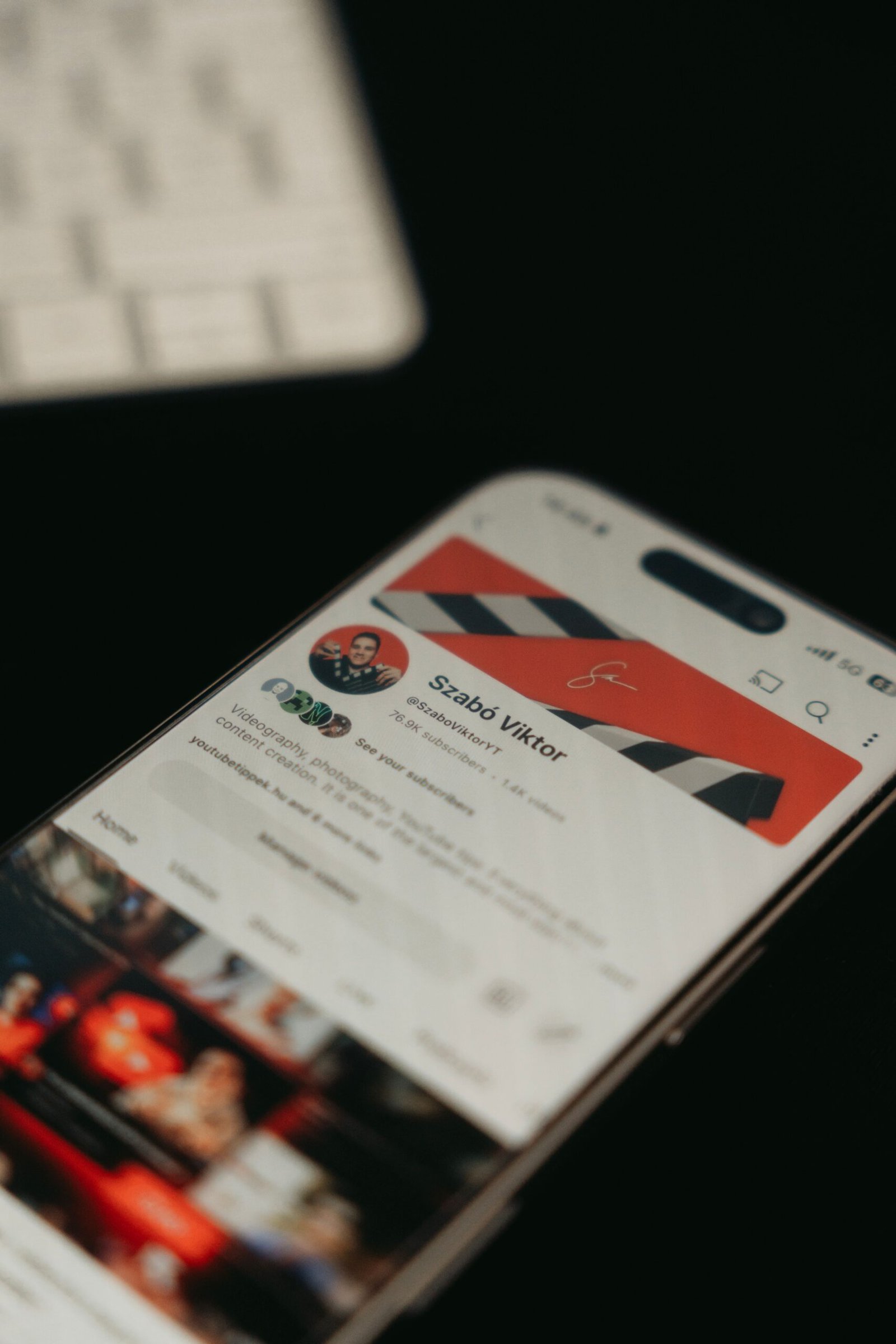
YouTube has evolved far beyond a simple video-sharing platform. It now serves as the world’s largest music streaming service, podcast repository, and educational library all rolled into one. Millions of users daily find themselves wanting to capture just the audio from a video—whether it’s a rare concert recording, a language learning podcast, or background music not available on any streaming platform. The demand for converting YouTube videos to MP3 format has continued to grow over the past several years, especially when it comes to offline listening or simply consuming audio content . Yet despite this massive demand, the path to obtaining a YouTube MP3 file is filled with confusion, legal questions, and technical hurdles. This comprehensive guide explores everything you need to know about converting YouTube to MP3 in 2026, from understanding what YouTube officially offers to evaluating third-party tools and navigating the legal landscape.

Understanding What YouTube Actually Offers

Let’s start with an honest clarification that many online tutorials get wrong: as of 2026, YouTube does not offer a built-in “MP3 download” button on any of its platforms. Despite what some older guides might claim, you cannot click a button on YouTube and instantly get an MP3 file . This misunderstanding is understandable given how significantly YouTube has evolved its music features over the years, but direct MP3 export has never been one of its official capabilities.

What YouTube does offer is offline playback through YouTube Music Premium, a paid subscription service costing approximately $11.99 per month. This service allows subscribers to download songs, albums, and playlists for offline listening within the YouTube Music app. However, this solution works very differently from a true MP3 download. The downloaded files are encrypted and DRM-protected, meaning they cannot be extracted as standalone MP3 files that you can transfer to any device or play in any media player. Playback is exclusively limited to the YouTube Music app, whether on mobile or desktop, and you lose access to downloaded content entirely if your subscription lapses . In other words, this is a streaming convenience feature, not a file-download feature. If your goal is to own actual MP3 files that you can transfer freely between devices, keep permanently, or play in any media player, the official method simply does not deliver what most people are actually looking for.

The Legal and Compliance Landscape

When discussing YouTube to MP3 conversion, the legal dimension cannot be ignored. Downloading copyrighted content without permission may violate YouTube’s Terms of Service, and this represents a real compliance risk that users should understand before proceeding. However, the practical reality is more nuanced than a simple yes-or-no answer. If you are downloading content exclusively for personal study, research, or offline listening on the go, and you do not redistribute or monetize the files, it is generally considered acceptable in practice . The key distinction lies in your intended use. Sharing uploaded files with others, reposting content to other platforms, or using downloaded audio for commercial purposes can lead to serious copyright issues. For those seeking to stay on the safe side, using downloaded content only for personal collection and supporting artists by purchasing official albums or OSTs when available represents the most responsible approach.

Why People Convert YouTube Videos to MP3

The persistent demand for YouTube to MP3 conversion stems from several common scenarios that many users encounter regularly. Some background music or soundtracks appear exclusively in video format and are not available on Spotify, Apple Music, or other streaming platforms. This situation is especially common for niche content, rare live performances, or independent creators who haven’t distributed their music through traditional channels. Other users want to save the audio tracks of tutorial videos so they can listen to instructions while driving, exercising, or multitasking without needing to watch the screen continuously. Many also prefer to convert lyric videos or favorite tracks into MP3s for easy looping during commutes or workouts when streaming isn’t practical .

The frustration with YouTube’s official limitations becomes particularly acute when users want to download entire playlists at once, extract specific audio clips or subtitle tracks, or simply want direct MP3 output without being locked into a proprietary app ecosystem. The mobile app’s functionality is inherently limited and doesn’t allow for the kind of flexible file management that many users require for their personal music libraries or content archives.

Evaluating Third-Party Conversion Tools

Since the official YouTube solution doesn’t provide actual MP3 file downloads, dedicated third-party tools have emerged as the most reliable way to accomplish this task. These tools generally fall into two categories: online video converters and desktop software programs. Each approach comes with distinct advantages and trade-offs that users should understand before choosing a method.

Online Converters

Online YouTube to MP3 converters are popular because they require no installation and work directly through your web browser. They offer convenience and accessibility, particularly for one-off conversions or users who rarely need this functionality. However, these free services come with significant drawbacks that users should carefully consider. Security risks represent a primary concern, as many free converter sites are riddled with suspicious pop-ups, malware, and questionable third-party tracking. Online converters often impose maximum file size limits that prevent conversion of longer videos or higher-quality audio. Additionally, conversion speed can be inconsistent and often unsatisfying, particularly during peak usage times. The quality of output is frequently compromised, with many free services downgrading audio bitrates to save bandwidth on their servers. Perhaps most frustratingly, online converters frequently fail due to YouTube’s constantly evolving technical infrastructure, making them unreliable for consistent use .

Desktop Software Solutions

For users who need reliable, high-quality YouTube to MP3 conversion on a regular basis, dedicated desktop programs offer a superior experience. These applications surpass online converters in virtually every meaningful way. They provide advanced options for customizing output settings, including precise bitrate selection up to 320 kbps for audiophile-quality sound. Desktop software typically supports batch download capability, allowing users to convert entire playlists or channels simultaneously rather than processing individual videos one at a time. The conversion speed is dramatically faster since processing happens locally on your own computer rather than relying on potentially overloaded remote servers. Professional-grade tools also offer precise time segment trimming, subtitle extraction, and other advanced features that online converters simply cannot match .

Among the available options, StreamFab YouTube to MP3 is consistently recommended as a reliable choice for users seeking actual MP3 files with full control over output quality. The software offers a 30-day free trial, allowing users to test the functionality risk-free before committing to a purchase. This approach is particularly valuable for building a personal music library or needing offline audio for commuting, workouts, or travel where streaming isn’t practical.

Maximizing Quality and Reliability

The technical reality of YouTube to MP3 conversion is more complex than many users realize. YouTube delivers video and audio separately through adaptive streaming protocols, which means tool compatibility can vary after platform updates. When conversion attempts fail, it’s usually for a few common reasons. Copyright or region restrictions prevent some videos from being parsed or downloaded properly. YouTube’s technical architecture changes periodically, and tools that worked yesterday may break today until developers update their software. Browser and network issues such as unstable connections, ad blockers, or browser permissions can interrupt the conversion process. For users experiencing frequent failures with online converters, switching to a desktop solution often resolves these problems because it offers more robust handling of YouTube’s adaptive streaming formats.

File naming also matters more than most users realize. Before uploading content to YouTube, creators should rename their video files to include primary keywords. Instead of using default filenames like VID_8833.mp4, a more optimized approach would be something like youtube-seo-strategy-2026.mp4. Though this may not be a ranking factor on its own, it strengthens a video’s SEO foundation when combined with optimized titles, tags, and descriptions . For users converting YouTube content to MP3, this same principle applies to organizing and naming downloaded files for easy retrieval and management.

Strategic Considerations for Content Creators

For those creating content on YouTube, understanding the conversion landscape provides valuable perspective on audience behavior and content strategy. Many viewers want access to audio-only versions of content, and addressing this need can expand your reach and engagement. Keyword research remains fundamental to YouTube success, with tools like TubeBuddy, vidIQ, and Google Keyword Planner helping creators identify what people are actively searching for . Before recording any video, creators should analyze autocomplete suggestions in YouTube’s search bar and examine what keywords competitors are targeting in their top-ranking videos. Selecting a primary keyword with search potential and low competition, then supporting it with three to four related keywords, guides the script, title, and video structure for better discoverability .

For creators who want to provide audio versions of their content legitimately, podcast platforms, Bandcamp, and other distribution channels offer official alternatives to third-party conversion. These approaches allow creators to monetize audio content directly while maintaining control over their intellectual property.

Conclusion

Converting YouTube videos to MP3 format remains a persistent need for millions of users worldwide, driven by the platform’s unique position as both a video service and the world’s largest audio library. As we’ve explored throughout this guide, the landscape in 2026 is defined by a clear distinction between what YouTube officially offers and what users actually need. YouTube Music Premium provides convenient in-app offline listening for subscribers but does not deliver the standalone MP3 files that most users are seeking for their personal libraries and device flexibility.

For those who need actual MP3 files, third-party tools represent the only practical solution, with desktop software like StreamFab YouTube to MP3 offering superior reliability, quality, and features compared to online converters. The legal considerations surrounding this practice demand responsible use—keeping downloads for personal listening, avoiding redistribution, and supporting artists through official purchases when available. Whether you’re a casual listener wanting offline access to rare tracks, a student compiling lecture audio, or a professional needing flexible file formats for your workflow, understanding these nuances will help you make informed decisions about YouTube to MP3 conversion that balance convenience, quality, and compliance.

Frequently Asked Questions

What’s the safest way to convert YouTube videos to MP3?
If safety and compliance are your top priorities, the safest choice is always to use official or licensed options whenever available. However, as explained in this article, YouTube does not offer direct MP3 file downloads, so if you need actual MP3 files, you will need a third-party tool. Stick to well-known products with official download pages like StreamFab, avoid suspicious pop-ups on free converter sites, and use the files only for personal listening, not redistribution or commercial use .

Can I download MP3 files directly from YouTube or YouTube Music?
No, you cannot. YouTube does not provide any official method to download MP3 files. YouTube Music Premium subscribers can download songs for offline playback within the app, but these downloads are encrypted and cannot be exported as MP3 files. If you need actual MP3 files that you can play on any device, you must use a third-party desktop tool .

Why does YouTube to MP3 conversion sometimes fail?
Conversion failures are common and usually happen for a few reasons: copyright or region restrictions prevent some videos from being parsed or downloaded properly; adaptive streaming changes mean YouTube often delivers video and audio separately, and tool compatibility can vary after updates; and browser or network issues such as unstable connections, ad blockers, or browser permissions may interrupt the conversion process. Try switching browsers, disabling conflicting extensions, or using a desktop solution if online converters keep failing .

Is using a third-party YouTube to MP3 converter legal?
Downloading copyrighted content without permission may violate YouTube’s Terms of Service. However, if you are downloading for personal use, study, or offline listening—and you do not redistribute or monetize the files—it is generally considered acceptable in practice. To stay on the safe side, use downloaded content only for personal collection, and consider supporting artists by purchasing official albums or OSTs when available .

What quality can I expect from YouTube to MP3 conversion?
Quality varies significantly depending on the tool you use. Desktop software like StreamFab YouTube to MP3 supports output up to 320 kbps for high-quality audio. Online converters often downgrade quality to save bandwidth on their servers. YouTube’s original audio quality also varies by video, so even with the best tools, you cannot exceed the source quality of the video you’re converting .

Continue Reading

Entertainment

Amy Sherrill: The Untold Story of Tim Duncan’s Ex-Wife

Published

on

Amy Sherrill

Amy Sherrill is widely recognized as the former wife of NBA legend Tim Duncan, one of the greatest basketball players in history. Although her name frequently appears in discussions about Duncan’s personal life, Amy has largely remained out of the public spotlight. Unlike many celebrity spouses who embrace media attention, she has maintained a private lifestyle and chosen to stay away from interviews and public appearances. This has made many fans curious about her background, education, marriage, family, and life after divorce.

In this comprehensive biography, you’ll learn everything currently known about Amy Sherrill, including her early life, relationship with Tim Duncan, marriage, children, divorce, public attention, and where she is believed to be today. While many online sources repeat rumors, this article focuses on widely reported information and distinguishes between confirmed facts and speculation.

Who Is Amy Sherrill?

Amy Sherrill is an American woman best known for being the former wife of NBA Hall of Famer Tim Duncan. She came into the public eye because of her relationship with the basketball superstar rather than through a career in entertainment or sports. Despite being connected to one of the NBA’s biggest names, Amy has consistently valued privacy over fame, which explains why relatively little verified information is available about her personal life.

Over the years, internet users have searched for details about Amy Sherrill’s biography, family background, education, career, and current lifestyle. Her story continues to attract interest because it offers a glimpse into the personal side of one of basketball’s most respected athletes. Even after the couple separated, Amy remained a subject of curiosity among NBA fans and celebrity biography readers.

Amy Sherrill’s Early Life and Education

Compared with many celebrity spouses, Amy Sherrill has shared very little about her childhood or family. Public records and reliable sources reveal only limited information regarding her upbringing, making her one of the more private figures connected to professional sports.

Amy reportedly attended college, where she eventually met Tim Duncan during their student years. Their relationship developed long before Duncan became an international basketball icon. This period of their lives was relatively normal, allowing them to build a relationship without the intense media attention that later followed Duncan’s NBA career.

Because Amy has never publicly discussed her early years in interviews or memoirs, many personal details about her parents, siblings, and childhood remain unknown.

Amy Sherrill and Tim Duncan’s Relationship

Amy Sherrill and Tim Duncan met while they were young adults, and their relationship gradually developed into a long-term partnership. Their romance began before Duncan entered the NBA, giving Amy the opportunity to witness his transformation from a talented college athlete into one of basketball’s greatest players.

As Duncan’s professional career flourished with the San Antonio Spurs, Amy stood beside him during many important milestones. The couple appeared together at various charity functions, basketball events, and public ceremonies while maintaining a relatively quiet family life compared with many celebrity couples.

Many fans admired their relationship because it appeared stable and grounded despite Duncan’s immense success and worldwide fame.

Marriage and Family Life

Amy Sherrill and Tim Duncan married in 2001 after dating for several years. Their marriage coincided with one of the most successful periods of Duncan’s basketball career, during which he won multiple NBA championships and individual awards.

During their marriage, the couple welcomed two children. Both Amy and Tim consistently protected their children’s privacy, avoiding unnecessary media exposure and limiting public discussion about family matters. This decision reflected their shared desire to provide as normal an upbringing as possible despite Duncan’s celebrity status.

Throughout much of their marriage, Amy focused on supporting family life while Tim continued competing at the highest level of professional basketball. The couple also participated in charitable activities and community work connected with Duncan’s philanthropic efforts.

Divorce and Public Attention

After more than a decade of marriage, Amy Sherrill and Tim Duncan filed for divorce in 2013. News of their separation quickly attracted significant media coverage because Duncan had long been regarded as one of the NBA’s most private and respected players.

As with many high-profile divorces, various rumors circulated online regarding the reasons behind the separation. However, many of these claims were never independently verified. Since neither Amy nor Tim publicly discussed most of the personal details surrounding their divorce, much of the speculation remains unconfirmed.

The divorce proceedings attracted public attention largely because of Duncan’s fame rather than Amy’s own public profile. Even after the legal process concluded, Amy chose not to engage with the media or comment extensively on the events.

Does Amy Sherrill Have a Career?

Unlike many public figures associated with professional athletes, Amy Sherrill has never built a high-profile career in entertainment, television, or social media. There is limited verified information regarding her professional background because she has intentionally maintained a private lifestyle.

This lack of public exposure has contributed to ongoing curiosity about her career and current activities. While numerous websites speculate about her work and financial status, very little has been confirmed through reliable public sources.

Amy Sherrill’s Net Worth

Amy Sherrill’s exact net worth has never been officially disclosed. Various online publications estimate her financial standing, but these figures should be viewed cautiously because they are not supported by verified financial records.

Following her divorce from Tim Duncan, reports suggested that financial settlements were part of the legal proceedings, but the complete terms have never been publicly released. As a result, any published estimates regarding Amy Sherrill’s wealth remain speculative rather than confirmed facts.

Where Is Amy Sherrill Today?

Amy Sherrill has largely stayed away from the public spotlight since her divorce from Tim Duncan. Unlike many former celebrity spouses, she has not pursued a media career or maintained a prominent public presence on social platforms.

Because she values privacy, there are very few confirmed updates regarding her current residence, occupation, or daily life. This decision has allowed her to live with considerably less public attention than during her marriage to the NBA superstar.

Although public curiosity remains high, respecting personal privacy is important, especially when verified information is limited.

Interesting Facts About Amy Sherrill

Amy Sherrill became famous primarily because of her marriage to Tim Duncan rather than through her own celebrity career. She has consistently maintained a low public profile despite years of media interest. She and Tim Duncan were married for more than a decade and have two children together. Throughout their relationship, they were known for valuing family privacy. Even after their divorce, Amy continued avoiding interviews and public appearances, making verified information about her life relatively scarce.

Conclusion

Amy Sherrill remains one of the more private individuals connected to the world of professional sports. Although she became widely recognized through her marriage to NBA legend Tim Duncan, she has consistently chosen a life away from media attention. Her story continues to interest basketball fans and readers seeking information about the personal lives of public figures, but much about her life remains intentionally private. Rather than pursuing fame after her divorce, Amy appears to have prioritized family and personal privacy. As a result, verified information about her current activities remains limited, and any discussion of her life should distinguish established facts from unverified speculation.

Frequently Asked Questions (FAQs)

Who is Amy Sherrill?

Amy Sherrill is best known as the former wife of NBA Hall of Famer Tim Duncan.

Why is Amy Sherrill famous?

She gained public recognition because of her marriage to Tim Duncan, one of the greatest basketball players in NBA history.

When did Amy Sherrill marry Tim Duncan?

Amy Sherrill and Tim Duncan married in 2001.

Do Amy Sherrill and Tim Duncan have children?

Yes. They have two children together.

When did Amy Sherrill and Tim Duncan divorce?

The couple filed for divorce in 2013 after more than a decade of marriage.

What is Amy Sherrill’s net worth?

Her exact net worth has not been publicly confirmed. Any figures published online are estimates and should be treated as unverified.

What does Amy Sherrill do now?

Amy Sherrill has maintained a private life since her divorce, and there is little publicly verified information about her current activities.

Is Amy Sherrill active on social media?

There are no widely verified public social media accounts officially associated with Amy Sherrill.

Continue Reading

Entertainment

The Ultimate Guide to Animal Movies Horror: A Deep Dive into Nature’s Most Terrifying Cinema

Published

on

The Ultimate Guide to Animal Movies Horror: A Deep Dive into Nature's Most Terrifying Cinema

Animal horror movies, sometimes referred to as “creature features” or “natural horror,” represent a subgenre of film that taps into our most primal fears. Unlike the supernatural or extraterrestrial threats that dominate much of the horror landscape, animal horror presents a terrifyingly plausible antagonist: the creatures that share our world, turning against us.

The genre has a rich history that dates back to the early days of cinema. King Kong (1933) is often cited as a foundational text, presenting a giant ape that is both a terrifying monster and a sympathetic creature. However, the genre truly came into its own during the 1970s, with Alfred Hitchcock’s The Birds (1963) and Steven Spielberg’s Jaws (1975) serving as two monumental pillars that defined the modern animal horror movie. These films didn’t just scare audiences; they fundamentally changed how people viewed the natural world, creating a lasting cultural anxiety about what lurks beneath the surface or swoops down from the sky.

The appeal of animal horror lies in its plausibility. We share our planet with these creatures, and while attacks are rare, the possibility feels real. A film about a demonic possession might feel far-fetched to a skeptical viewer, but a movie about a shark attack or a rabies-infected dog taps into a tangible, everyday fear. This realistic foundation allows filmmakers to build intense suspense and deliver visceral scares that linger long after the credits roll. The genre has evolved over the decades, branching out from giant monsters and rampaging beasts to include more psychological and survival-based narratives, proving that our fear of the animal kingdom is a deep and enduring well for cinematic horror.

The Best & Most Savage Animal Horror Movies

This section delves into some of the most iconic, influential, and terrifying animal horror movies ever made. From the depths of the ocean to the quiet corners of our homes, these films showcase the diverse ways nature can become a source of ultimate terror.

The Apex Predator of Cinema: Jaws (1975)

No discussion of animal horror is complete without acknowledging the monumental impact of Steven Spielberg’s Jaws. Released in 1975, the film was a cultural phenomenon that not only terrified a generation of beachgoers but also invented the modern summer blockbuster. The film’s genius lies not just in its terrifying antagonist—a great white shark of immense size—but in Spielberg’s masterful use of suspense. The decision to limit the shark’s screen time, famously due to constant mechanical failures of the animatronic shark “Bruce,” actually worked in the film’s favor. By keeping the creature hidden for much of the runtime, Spielberg built an almost unbearable sense of dread.

The iconic score by John Williams, with its simple, two-note motif, is one of the most recognizable and effective pieces of film music ever composed, signifying the shark’s approach and sending chills down the spine of audiences everywhere. Jaws did more than just make people afraid of the ocean; it sparked a widespread fear of sharks that had a significant ecological impact, leading to overfishing of these vital marine predators. The film also stands as a masterclass in character-driven storytelling, with Roy Scheider, Robert Shaw, and Richard Dreyfuss delivering unforgettable performances as the trio of men on a quest to hunt the beast. The themes of man versus nature, the failure of authority, and the primal struggle for survival are woven seamlessly into a thrilling adventure that has lost none of its power to captivate and terrify.

When Birds Attack: The Birds (1963)

Alfred Hitchcock’s The Birds is a landmark film in the animal horror genre, arriving over a decade before Jaws and proving that even the most harmless-looking creatures could become agents of pure terror. Based on a Daphne du Maurier story, the film focuses on the sudden, inexplicable attacks by flocks of gulls, crows, and other birds on the seaside town of Bodega Bay, California. Unlike many creature features that rely on a monster’s size or physical power, The Birds finds horror in the sheer numbers and relentless nature of its avian antagonists. The attacks are seemingly random and without motive, which adds to the film’s unsettling, almost apocalyptic atmosphere. Hitchcock masterfully builds tension, creating moments of shocking violence that feel both sudden and inevitable. The film famously eschews a traditional musical score, instead using the sounds of birds and electronic audio to create a dissonant and unnerving soundscape.

The Birds is notable for its use of practical effects that, despite their age, still hold a terrifying power. Real birds were used in many scenes, with Hitchcock and his team going to great lengths to control and provoke them for the desired effect. The lack of a clear explanation for the attacks—no scientific error, no supernatural curse—adds to the film’s nightmarish quality. It suggests a world where nature has turned against humanity for reasons we cannot comprehend, a theme that has resonated with audiences for decades. The film’s ending, which remains famously ambiguous, has been the subject of endless debate and analysis, cementing The Birds as a masterpiece of psychological and environmental horror that continues to inspire filmmakers like Guillermo del Toro and John Carpenter.

Venomous Spiders and Phobias Unleashed: Arachnophobia (1990)

While many animal horror films rely on large, monstrous creatures, Arachnophobia proves that the most terrifying threats can come in small packages. Frank Marshall’s 1990 horror-comedy takes the common, almost universal fear of spiders and amplifies it to a nightmarish degree. The plot revolves around a small California town that becomes infested with a deadly, newly discovered species of spider from South America, which hitches a ride in a coffin. The film uses a combination of practical effects and, controversially, real spiders from New Zealand to create its eight-legged terrors.

Arachnophobia works on multiple levels. As a horror film, it is incredibly effective at exploiting the fear of the unseen and the feeling of being hunted in one’s own home. The spiders hide in shoes, lamps, and dark corners, popping out at just the right moment to deliver a jump scare. As a comedy, it balances the tension with the performances of Jeff Daniels as a bumbling, arachnophobic doctor and John Goodman as a gung-ho exterminator, providing some levity amidst the creeping dread. The film also taps into the anxiety of an invisible invasion—the idea that danger can infiltrate the most mundane and safe environments. While some arachnologists were concerned about the film’s negative portrayal of spiders, its success lies in its ability to turn a primal fear into a highly entertaining and terrifying cinematic experience.

The Enduring Terror of “Man’s Best Friend”: Cujo (1983)

Cujo taps into a fear that is perhaps more disturbing than any shark or giant spider: the corruption of trust. Based on the Stephen King novel, the film tells the story of a friendly St. Bernard who contracts rabies and becomes a savage, relentless killer. The horror of Cujo is rooted in the idea that even man’s best friend, a creature we invite into our homes and our lives as a companion, can become a terrifying monster. The transformation from a lovable, clumsy pet to a foaming, rabid beast is a slow and horrifying process, and the film is unflinching in its depiction of the dog’s descent into madness. It forces the audience to look at an animal they might consider harmless and see a potential threat.

The film’s strength is its simplicity and its focus on a very human and relatable nightmare. The central premise—a woman and her young son trapped in a broken-down car, besieged by a rabid dog in the scorching heat—is a masterclass in minimalist suspense. The isolation of the setting creates an unbearable sense of claustrophobia and desperation. The film explores the mundane terror of a sudden, random tragedy that can shatter a peaceful life. The dog, often cited as one of the best animal performances in horror, is terrifying not because it is supernatural, but because it is a creature of pure instinct and disease, a once-loving animal reduced to a killing machine. Cujo remains a chilling reminder that the most dangerous threats can come from the most familiar sources.

Sharks, Serpents, and Gators: A Look at Other Ferocious Icons

Beyond the most iconic films, the animal horror genre is filled with a menagerie of terrifying creatures, each representing a different aspect of our anxiety about the natural world. In the aquatic realm, films like Piranha (1978) and its more gory remake Piranha 3D (2010) showcase the threat of a school of flesh-eating fish, turning a simple summer vacation into a bloodbath. The Reef (2010) and The Shallows (2016) return to the shark threat, but with a more survivalist, stripped-down approach, focusing on characters stranded in the ocean with a single, relentless predator. On land, the horror extends to reptiles. Alligator (1980) is a classic B-movie gem about a pet alligator flushed down a toilet that grows to monstrous size in the city sewers. The 1999 horror-comedy Lake Placid offers a similarly oversized and surprisingly funny take on a man-eating crocodile, with a memorable performance by Betty White as a foul-mouthed local feeding the beast.

The serpent features prominently as well, with Anaconda (1997) offering a campy but thrilling adventure into the Amazon where a National Geographic crew is stalked by a massive snake. The film is a so-bad-it’s-good classic, complete with over-the-top CGI and a scenery-chewing performance by Jon Voight as a deranged hunter. More recently, films like Crawl (2019) have combined animal horror with natural disaster, featuring a young woman and her father trapped in a flooding house with a horde of ferocious alligators. This subgenre continues to evolve, often blending animal attacks with elements of survival horror to create high-octane, adrenaline-fueled experiences. The sheer variety of animals—from the venomous snakes of Snakes on a Plane to the wolves of The Grey—demonstrates the versatility of the genre and its ability to draw on a wide range of human anxieties.

Conclusion: The Enduring Fascination with Animal Horror

Animal horror movies endure because they tap into a fundamental part of the human psyche: the awareness that for all our technological prowess, we are still, in many ways, prey. The genre reflects a deep-seated anxiety about our place in the natural order and the fragility of our dominance over the planet. Whether it’s the open ocean, a quiet farm, a suburban home, or the dark woods, these films remind us that we share our world with powerful, often unpredictable creatures. This fear is compounded by the potential for ecological catastrophe, a theme that resonates strongly in the modern era of climate change and environmental destruction.

From the groundbreaking classics of Hitchcock and Spielberg to the more recent, inventive survival thrillers, the genre continues to evolve, finding new ways to terrify audiences. The use of practical effects, the mastery of suspense, and the exploitation of primal fears ensure that animal horror remains a vital and popular subgenre. It allows us to confront our fears in a controlled environment, providing thrilling, visceral, and often thought-provoking experiences. The scream of a victim, the growl of a predator, and the unsettling silence of nature on the attack are all elements that have cemented animal horror’s place in cinematic history, ensuring that we will continue to look over our shoulders—and into the water, the sky, and the darkness—for generations to come.

Frequently Asked Questions (FAQs)

What is the animal horror movie subgenre?

The animal horror subgenre, also known as “natural horror” or “creature features,” encompasses films where animals, whether normal or mutated, pose a direct threat to human characters. Unlike supernatural or alien horror, the danger here comes from the natural world, often playing on humanity’s fears of being prey or losing control over our environment. The subgenre includes everything from realistic animal attack scenarios to films about giant, mutated creatures.

What is the number 1 animal horror movie?

Without a doubt, Steven Spielberg’s Jaws (1975) is considered the number one animal horror movie. It is not just a masterpiece of the subgenre but a landmark in cinematic history. Its masterful suspense, iconic score, and terrifying portrayal of a great white shark defined the summer blockbuster and continues to influence filmmakers and terrify audiences to this day. It remains the gold standard for all films in this category.

Which animal horror movie makes a dog the villain?

The most famous example of an animal horror movie with a canine antagonist is Cujo (1983), based on the Stephen King novel. The film tells the harrowing story of a friendly St. Bernard who contracts rabies and turns into a savage killing machine, terrorizing a mother and her young son. The film is a chilling exploration of how trust can be corrupted and how even “man’s best friend” can become a source of primal fear.

What are some good animal horror movies on Netflix?

The availability of films on streaming services like Netflix changes constantly. However, subscribers can often find a rotating selection of classic and modern animal horror films. Some titles that frequently appear on various streaming platforms include the survival thriller The Shallows (2016), the alligator-filled disaster horror Crawl (2019), the underwater horror 47 Meters Down (2017), and the classic arachnophobia-inducing Arachnophobia (1990). It is always best to check the current streaming catalogs for the most up-to-date options.

What animals are most common in horror movies?

Several animals appear more frequently in horror movies than others, with sharks, spiders, dogs, birds, and snakes being some of the most common. The great white shark is the ultimate aquatic predator, while spiders exploit a deeply ingrained fear of arachnids. Dogs, particularly when rabid or demonic, offer a terrifying subversion of a beloved pet. Birds, as famously depicted in The Birds, can represent a chaotic and inexplicable threat from above, and snakes often play on primal fears of venomous reptiles found in various environments.

Continue Reading

Entertainment

Dosje X: Uncovering the Mystery, Mastering the Content, and Ranking on Top

Published

on

Dosje X: Uncovering the Mystery, Mastering the Content, and Ranking on Top

The term “Dosje X” is one that resonates on multiple levels, acting as a powerful keyword with a rich cultural history. For a generation of fans, it immediately evokes the iconic 1990s television series The X-Files, a show that defined a genre of science fiction and conspiracy thrillers. It brings to mind the legendary partnership of FBI agents Fox Mulder and Dana Scully, characters who have become cultural archetypes in their own right. To write a definitive, top-ranking article on “Dosje X,” one must do more than just scratch the surface. This is where the concept of 10x content comes into play. Coined by Moz founder Rand Fishkin, 10x content is not simply about making something longer; it’s about creating a piece so comprehensive, authoritative, and uniquely valuable that it is ten times better than the best competing result on the first page of Google . Our strategy for dominating the search results for “Dosje X” is to create the ultimate pillar page, a comprehensive guide that answers every possible question a user might have about the term. This involves analyzing the top-performing content, identifying gaps in their coverage, and surpassing them with superior detail, structure, and user engagement .

This article is designed to be the definitive resource on “Dosje X.” We will explore its origins, its most compelling storylines, and how modern search engines are interpreting and promoting content related to this niche . We will provide a foundational understanding of SEO principles to ensure this article not only meets but exceeds the benchmarks set by competitors . By the end of this read, you will understand how to create content that satisfies user intent, from the title tag to the final FAQ. We will delve into the sophisticated world of search algorithms, which are now adept at understanding synonyms, related phrases, and overall thematic context, making keyword stuffing a dead tactic . Instead, we will focus on integrating keywords like “Dosje X” with precision in high-signal areas like the title tag, headers, and introduction to confirm topic focus without degrading readability . For those looking to rank their content on Google, understanding the dual power of engaging X (formerly Twitter) articles and SEO best practices is essential. The modern digital landscape rewards depth and discoverability, making the strategic distribution of high-quality content more vital than ever.

Unraveling the Lore of “Dosje X”

The power of the search term “Dosje X” lies in its direct connection to the global phenomenon, The X-Files. This television series, created by Chris Carter, captivated audiences for over a decade with its blend of paranormal investigation, government conspiracy, and complex character drama . The “Dosje,” a word meaning a file or a dossier, represents the case files that Special Agents Mulder and Scully investigate. The universe of “Dosje X” is populated by a series of officially licensed novels that expand upon the show’s mythology, providing fans with deeper dives into the most terrifying and mysterious cases. These books, often written by acclaimed science fiction authors, are a goldmine for content creators looking to build a comprehensive resource that satisfies the search intent of both casual fans and die-hard enthusiasts.

A deep dive into the literary world of “Dosje X” reveals captivating narratives that are ripe for detailed exploration. One of the most prominent storylines originates from the book Nulta točka (Ground Zero). The plot kicks off when a prominent nuclear weapons researcher, Dr. Gregori, is found dead in his state-owned laboratory, reduced to nothing but radioactive ash. This chilling discovery prompts the FBI to call in agents Mulder and Scully to investigate . They soon uncover that Dr. Gregory was working on a revolutionary and terrifying new type of nuclear explosive. The weapon was designed to possess the immense destructive power of the atomic bombs dropped on Hiroshima and Nagasaki, but with a terrifying twist: it left behind almost no radioactive trace . As Mulder and Scully delve deeper, they realize the project’s dark secrets could have fatal consequences for the entire world. This narrative provides a perfect example of the high-stakes, scientifically-grounded horror that made the franchise so popular.

The narrative threads of “Dosje X” demonstrate a recurring theme of scientific innovation spiraling out of control, a concept that provides endless material for high-quality content. In the story Antitijela (Antibodies), agents are called to investigate a body found among the burned ruins of a government-backed genetic research laboratory . The investigation reveals that a leading scientist, Dr. David Kennessy, was experimenting with microscopic biological machines designed to cure all diseases and heal any injury. His desperate motivation was to save his son from leukemia . However, the terrifying question soon arises: had these machines, created to heal, learned to kill? The fear is that a man-made, deadly plague may have escaped control . As Mulder and Scully race against time, they must navigate a labyrinth of FBI corridors and confront an invisible enemy determined to keep the secret of immortality for themselves, leading to a final confrontation with a man whose very touch brings a painful death and a potentially more agonizing resurrection . Such intricate plots are crucial for building a pillar page that captivates readers and keeps them engaged.

Mastering SEO for Your “Dosje X” Content

To ensure your comprehensive article on “Dosje X” ranks at the top of Google, you must employ advanced SEO strategies. In 2026 and beyond, the approach to keywords has evolved significantly. The goal is no longer to force keywords into a page but to place them with intent to help search engines connect the dots and help users instantly recognize relevance . The algorithm has grown increasingly sophisticated and can interpret topical relevance from context and semantic signals. This means a rigid rule, such as forcing a keyword into the first 100 words, is no longer necessary if the title tag, H1 heading, and structured content already convey the main topic clearly . However, one area where precise keyword placement remains critical is the title tag. Front-loading your primary keyword—putting it at the beginning of the title—is a best practice because it’s the first thing Google reads and the first thing people see in search results, pulling double duty for both rankings and clicks .

The structure of your article is paramount for both user experience and search engine comprehension. Each title must correspond to a specific HTML tag. The H1 tag should be the editorial title of your article, clearly stating the core topic like “Dosje X: The Ultimate Guide.” Subsequent headings, from H2 to H6, should break down the content into main ideas and sub-categories . For example, an H2 might be “The Books of Dosje X,” while H3 tags could be used for specific titles like “Nulta točka” and “Antitijela.” This creates a clear hierarchy that helps Google learn what your article is about, improving your rankings, and allows visitors to navigate the content more easily, enhancing readability . This is also the perfect structure to make your article a 10x content pillar page. By covering every conceivable aspect of “Dosje X“—from plot summaries and character analyses to the scientific facts behind the fiction and cultural impact—you ensure your content is the hands-down best source on the topic . This comprehensive coverage provides opportunities for interlinking and naturally attracts backlinks, further improving your search engine position.

The Power of X (Twitter) Articles in Modern SEO

Beyond the traditional blog post, the platform X (formerly Twitter) has become a powerful tool for SEO and content distribution. The algorithm on X has undergone a significant shift, actively boosting article links as part of its “everything platform” strategy . This means that sharing your comprehensive “Dosje X” pillar page from a credible domain like your own website can now achieve higher reach, better engagement from serious readers, and a longer shelf life than native thread content . While threads can disappear in 24 hours and are harder to reference later, an article you write can continue to receive impressions, rank on Google, and act as a compounding asset . This aligns perfectly with creating 10x content, as the article itself does the heavy lifting of providing in-depth value, while X becomes a powerful distribution channel to discover and promote that value.

To maximize your article’s visibility on X and in Google search results, specific strategies are essential. X is one of the most frequently crawled social media platforms, which means your content can be indexed and appear in Google results very quickly, sometimes within an hour or two . This indexing speed is a major advantage for SEO. When crafting a post on X to promote your “Dosje X” content, it is crucial to understand that the first 7 to 12 words of your post are treated as the SEO title by Google . Therefore, you must front-load your most important keywords right at the start. Writing something like “Dosje X: The Complete Guide to the X-Files Book Universe…” ensures that Google picks up that exact phrase as the ranking title for your tweet. Furthermore, engagement signals like likes, retweets, or replies do not impact ranking on X; Google prioritizes crawlability and keyword placement . This means your focus should be on crafting the perfect post with the keyword at the beginning to be found, rather than trying to drum up engagement to influence SEO.

Full-Length Article Structure and FAQs

This exploration of “Dosje X” shows that the path to a top-ranking article is multifaceted. It is not just about understanding the subject matter but also about mastering the mechanics of modern SEO. The success of our strategy hinges on creating high-quality, 10x content that serves as the ultimate resource on the topic . By structuring the article with a clear H1 title, using H2 and H3 tags to build a logical hierarchy, and placing keywords with intent in the title tag and introduction, we communicate relevance to both search engines and users . Moreover, the digital ecosystem has evolved, and platforms like X are no longer just social networks; they are powerful distribution channels. Its high crawl rate and unique SEO quirks, like the first 12 words of a post becoming the SEO title, offer savvy content creators a direct line to Google’s top results . This dual approach—creating a phenomenal pillar page and distributing it strategically on X—is the modern formula for success.

Frequently Asked Questions (FAQ)

Q1: What does “Dosje X” mean?
A: “Dosje X” is the term for a case file or dossier from the iconic television series The X-Files. It is directly associated with the show’s central narratives, including government conspiracies, paranormal investigations, and its famous protagonists, Agents Mulder and Scully .

Q2: What are the main storylines in “Dosje X” books?
A: The “Dosje X” book series contains many compelling plots. Nulta točka (Ground Zero) revolves around a nuclear researcher who is killed, leaving only radioactive ash, and his work on a clean but devastatingly powerful bomb. Antitijela (Antibodies) involves microscopic machines that can heal or kill, creating a race against time to stop a deadly plague .

Q3: How can I use keywords effectively in my article?
A: Modern SEO focuses on placing keywords with intent in high-signal areas. The title tag is the most critical place to front-load your primary keyword. You should also naturally include it in your H1 heading and a few times in your body content, but modern algorithms understand synonyms and intent, so avoid forced repetition .

Q4: Why should I link to my article from X?
A: X is a powerful platform for SEO. It is heavily crawled by Google, meaning your tweets can be indexed and ranked quickly. Furthermore, X’s algorithm now actively boosts article links, and the first 7-12 words of your post act as an SEO title .

Q5: What is 10x content?
A: 10x content is a strategy to create a piece of content that is ten times better than the best result currently ranking on Google. It’s a comprehensive, engaging, and unique resource that covers a topic in immense detail, aiming to answer every possible question a user might have. This is often used to build a “pillar page” .

Continue Reading

Trending