Connect with us

Gaming

How to Set Up Solitaire: The Ultimate Step-by-Step Guide for Beginners

Published

on

How to Set Up Solitaire: The Ultimate Step-by-Step Guide for Beginners
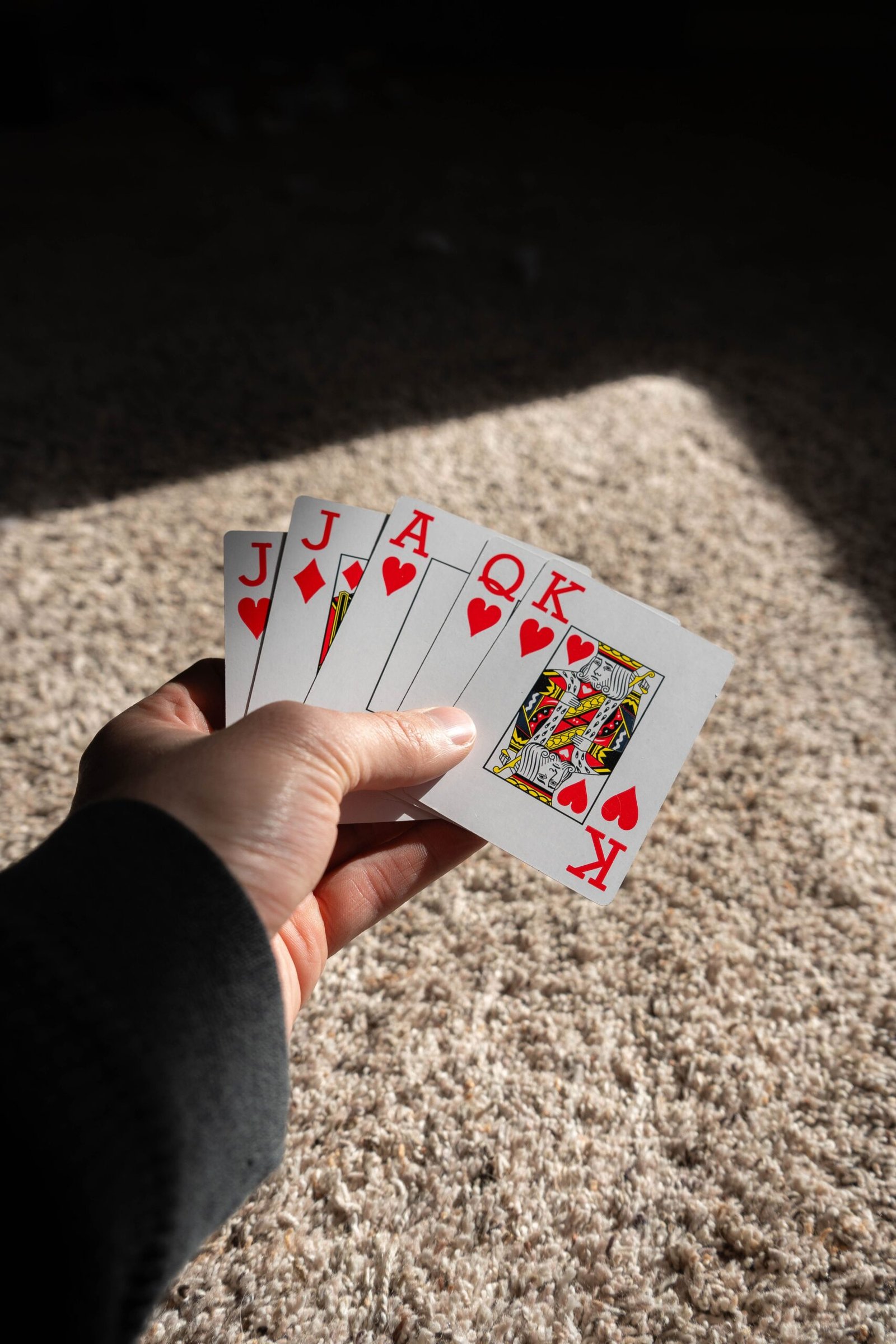
Solitaire, also known as Klondike, is one of the world’s most beloved single-player card games. It’s a game of strategy, patience, and a little bit of luck that has entertained millions for generations, long before it became a staple on every computer. While digital versions handle the setup automatically, there’s a unique satisfaction in shuffling a physical deck and laying out the cards yourself. This guide provides a comprehensive, step-by-step walkthrough on how to set up Solitaire, ensuring you get the classic game right every time. You’ll learn the exact layout, the purpose of each component, and common mistakes to avoid, so you can confidently start playing and winning.

The Core Components of a Solitaire Setup

Before dealing the first card, it’s essential to understand the four main parts of the classic Solitaire layout. A correct setup organizes the game and makes the flow of play intuitive. Think of these zones as the different “stations” on your card table .

The Tableau: The Main Playing Field

The Tableau is the heart of the game. It consists of seven columns of cards dealt in a specific pyramid or staircase pattern. The leftmost column has one card, the second has two, and so on, up to the seventh column which has seven cards. Only the top card of each column is dealt face-up, while the rest are face-down, creating a series of hidden obstacles to be uncovered. This is where most of the action happens, as you’ll be moving cards between these columns to build descending sequences .

The Foundation: Your Ultimate Goal

The Foundation is your victory condition. It consists of four empty spaces, typically placed above the Tableau. The goal of the game is to build these four piles, one for each suit (Hearts, Diamonds, Clubs, Spades), in ascending order from Ace to King. Each pile must start with an Ace and end with a King. These piles are the “finish line” where you will ultimately place all 52 cards to win .

The Stock and Waste (Talon) Piles: Your Resource and Discard

After dealing the Tableau, all remaining cards form the Stock pile. This face-down stack acts as your reserve. When you can’t make any more moves on the Tableau, you can draw cards from the Stock. Cards drawn from the Stock that cannot be played immediately are placed face-up on an adjacent pile, called the Waste pile or Talon . This creates a second opportunity to use a card later once new plays become available.

A Step-by-Step Guide to Setting Up Solitaire

Now that you know the layout, let’s walk through how to set up the game with a real deck of cards. This classic setup is for the most popular version, Klondike Solitaire.

Step 1: Prepare Your Deck and Space

Begin with a standard 52-card deck, ensuring you have removed the Jokers. Find a large, flat surface, like a table or desk, with enough room to spread out the seven columns and leave space above for the Foundation and Stock piles . Shuffle the deck thoroughly—a proper seven-shuffle mix is recommended to ensure a fair and unpredictable game .

Step 2: Deal the Tableau (The Staircase Pattern)

This is the most crucial step for a proper Solitaire setup. You will be dealing seven columns, increasing the number of cards by one in each column from left to right. The most efficient and error-proof way is to deal in rows, not by completing one column at a time .

  1. Start the first row: Deal one card face-up to the first column. Then, deal one card face-down to each of the remaining six columns (columns 2 through 7).

  2. Second row: Deal one card face-up to the second column. Then, deal one card face-down to columns 3 through 7.

  3. Third row: Deal one card face-up to the third column. Then, deal one card face-down to columns 4 through 7.

  4. Continue this pattern: Keep going until you reach the seventh column. By the end, the first column will have its single face-up card. The second column will have one face-down card and one face-up card on top. The seventh column will have six face-down cards with one final face-up card on top .

  5. Stagger the cards: As you deal, make sure to overlap the cards slightly within each column so you can always see the number of cards remaining face-down, even if you can’t see their value. This visual cue is vital for planning your strategy .

Step 3: Set Up the Foundation and Stock

With the Tableau complete, the rest of the setup is straightforward. Place the remaining 24 cards in a neat, face-down stack. This is your Stock pile. Position it either above the Tableau or to the side, whichever is most convenient for you . The last step is to designate four empty spaces near the Stock for the Waste pile and just above the Tableau for the four Foundation piles. At the start of the game, these should be completely empty .

Common Setup Mistakes to Avoid

Even seasoned players can rush a setup. Here are the most frequent errors people make when learning how to set up Solitaire. Avoiding these will save you from frustration.

  • Flipping all cards face-up: A major blunder is dealing all the Tableau cards face-up. The game’s challenge relies on hidden cards .

  • Incorrect column sizes: Each column must contain one more card than the last. The sequence is 1, 2, 3, 4, 5, 6, 7, not 7, 7, 7, etc. .

  • Forgetting to leave space: It’s easy to focus on the Tableau and forget to leave room for the four Foundation piles and the Waste pile .

  • Using Jokers: Jokers are never used in standard Klondike Solitaire. Always remove them before you begin .

  • Not shuffling enough: A poorly shuffled deck can create patterns that make the game either impossible or too easy. A good shuffle ensures the game is a fair test of skill .

Variation: Turn 1 vs. Turn 3 Solitaire

The setup is identical for both “Turn 1” and “Turn 3” Solitaire. The difference lies in how you draw from the Stock pile during play.

  • Turn 1: You draw one card at a time. This is the easier, more accessible variation, giving you a chance to use every card you draw .

  • Turn 3: You draw three cards at a time, but you can only play the top card. This adds a significant layer of difficulty, as cards you need may be buried beneath other cards .

Choose your variation before you start playing, as it influences your strategy. Turn 1 is recommended for beginners .

Conclusion

Learning how to set up Solitaire is the first step to enjoying this classic game in its purest form. By understanding the function of the Tableau, Foundation, Stock, and Waste piles, and by following the step-by-step dealing process, you’ll have a perfect layout every time. Remember to avoid common pitfalls like exposing hidden cards early or making the columns uneven. With a correctly prepared board, your game of Solitaire will be a true test of patience and strategy, ready for you to begin building those Foundation piles and aiming for that satisfying victory. So, shuffle a deck, clear your table, and start playing!

Frequently Asked Questions (FAQ) About Solitaire Setup

Q: How many cards do you use to set up Solitaire?

To set up classic Klondike Solitaire, you use a standard 52-card deck with the Jokers removed. You will deal 28 cards into the Tableau and have 24 cards left to form the Stock pile .

Q: What is the correct layout for Solitaire?

The correct layout involves a Tableau of seven columns with an ascending number of cards (1 to 7), where only the top card is face-up. You also need four empty spaces for the Foundation and one Stack for the Stockpile .

Q: How do you set up Solitaire with a real deck?

First, shuffle the deck. Then, deal the Tableau in a row-by-row fashion to create the “staircase” pattern. The first column gets one face-up card, the second gets two (with one face-down), and so on. The remaining cards form the Stock pile .

Q: What are the 7 piles in Solitaire called?

The seven piles on the main board are called the Tableau. They are the central area where you build descending sequences of alternating red and black cards .

Q: Can you set up Solitaire differently for a harder game?

Yes, the primary way to adjust difficulty in a physical game is by changing how you draw from the Stock pile. Turn 1 is easier, while Turn 3 (drawing three cards at a time) is significantly more difficult .

Continue Reading

Gaming

Sence vs. Sense: Understanding the Difference and Mastering Your Cognitive Abilities

Published

on

Sence vs. Sense: Understanding the Difference and Mastering Your Cognitive Abilities

In the digital age, we often type faster than our brains can process the correct spelling of words, and few terms suffer from this as frequently as the word “sence.” If you have landed on this article by searching for “sence,” you are not alone; thousands of individuals search for this misspelling every month, hoping to understand its meaning, its correct usage, or simply how to harness the power it represents. At its core, “sence” is universally understood to mean the same thing as the word “sense”—the physical faculties of sight, smell, hearing, taste, and touch, or the more abstract concept of practical wisdom and awareness. However, the confusion surrounding this spelling often leads to a deeper curiosity about how we perceive the world. This article aims to bridge the gap between the misspelling and the profound truth behind it. We will explore the biological mechanisms of the five senses, delve into the psychological concept of “common sense,” and provide actionable strategies to sharpen your mental acuity. By the end of this comprehensive guide, you will not only understand the difference between “sence” and “sense,” but you will also have a roadmap to enhance your cognitive abilities, improve your decision-making, and ultimately, trust your gut instincts in a world full of distractions.

The Biological Foundations: The Five Senses

Before we can discuss the abstract idea of “intuition” or “business sense,” we must first ground ourselves in the biological reality of the human body. When people search for “sence,” they are often trying to understand how their body interacts with the external environment. The human body is equipped with an intricate network of sensory receptors that interpret physical stimuli. The first of these is vision (sight), which involves the conversion of light into electrical signals by the rods and cones in our retinas, allowing us to perceive color, depth, and movement. Without this “sense,” our interaction with the physical world would be limited to mere guesswork. The second is audition (hearing), a mechanical process where sound waves vibrate the eardrum and ossicles, ultimately stimulating hair cells in the cochlea to send signals to the auditory cortex. This is perhaps our most alert sense, reacting to danger even while we sleep. The third is olfaction (smell), which is intrinsically linked to memory and emotion. Olfactory receptors in the nasal cavity can detect thousands of distinct odors, and because the olfactory bulb has direct connections to the amygdala and hippocampus, a single whiff of a scent can trigger a vivid memory from decades past. Gustation (taste) works closely with smell to identify nutrients and toxins through taste buds on our tongue, distinguishing between sweet, sour, salty, bitter, and umami. Finally, tactition (touch) is the most widespread sense, as it is mediated by the skin, the largest organ in the body, detecting pressure, temperature, and pain. It is vital to note that these five senses do not operate in isolation; rather, they create a symphony of data that our brain must decode in milliseconds. Understanding the physicality of “sence” is the first step in appreciating just how miraculous your body is.

The Psychology of Common Sense: Why Some People Seem to “Have It”

Moving beyond the physical, the term “common sense” is arguably the most frequent association with the word “sence.” We often hear people say, “He has no common sense,” referring not to a physical inability to see or hear, but a lack of practical judgment and awareness regarding everyday matters. Psychologically, common sense is a contentious topic. It is often defined as the ability to perceive, understand, and judge things that are shared by nearly all people without the need for specialized debate. However, contrary to popular belief, common sense is not truly “common”; it is the result of accumulated life experiences, exposure to diverse situations, and the capacity to learn from mistakes. A person with high situational awareness has honed their “sence” of their surroundings; they notice subtle shifts in body language, changes in tone of voice, or environmental cues that others miss. This is not magic; it is a hyper-developed observation habit. Recent studies in cognitive psychology suggest that what we call “common sense” is actually the brain’s ability to access a vast mental database of past events and apply that knowledge to current situations in a fraction of a second. It is the brain’s way of taking shortcuts to avoid having to re-analyze every mundane problem from scratch. If you feel that your “sence” is lacking, the good news is that it is a trainable skill. By forcing yourself to be present in the moment and actively questioning the outcome of your actions, you can literally rewire your neural pathways to make better snap judgments.

Developing “Business Sence”: Strategic Awareness in the Corporate World

In the professional realm, the term “business sense” is thrown around to describe individuals who seem to have a golden touch when it comes to making profitable decisions. It is the elusive “it” factor that separates a manager from a true leader. But what exactly is this “sence” in a business context? It is the ability to read the room—whether that room is a board meeting, a client dinner, or the global economy. It is about understanding that numbers on a spreadsheet have human stories behind them and that timing can be more important than the idea itself. Developing business sense requires a deliberate cultivation of curiosity. You must read voraciously across industries, not just your own, to spot patterns and correlations that competitors overlook. This type of awareness also demands emotional intelligence; you must be able to sense the morale of your team and the motivations of your clients. Furthermore, business sense involves an acute understanding of risk versus reward. It is the “gut feeling” that a deal isn’t right, even when the numbers pencil out perfectly, or conversely, the bold decision to pursue an unconventional path despite widespread skepticism. By actively seeking feedback, analyzing past failures without ego, and immersing yourself in the operational details of your company, you can begin to cultivate this “sixth sense” of commerce. It is a muscle that requires constant exercise and cannot be developed solely through textbooks.

Awakening Your Inner Sences: The Art of Mindfulness and Observation

If you are looking to tap into a deeper level of consciousness, you are likely searching for a way to awaken your “inner senses.” This goes beyond the physical and the practical; it ventures into the realm of mindfulness and presence. In our hyper-connected world, our senses are constantly bombarded with noise—notifications, traffic, advertisements, and multitasking. This sensory overload dulls our ability to truly experience any single thing. To awaken your senses, you must practice the art of deep listening and observation. This is known as “sensory mindfulness.” Start by taking five minutes a day to close your eyes and focus solely on what you can hear, then what you can smell, and then the sensation of air on your skin. You will be surprised at how much you have been missing. This practice of focusing the attention amplifies the intensity of your experiences, making food taste richer, music sound deeper, and the world look more vibrant. It also creates a necessary gap between stimulus and response; by being fully present, you give your brain time to process information before reacting impulsively. This is the essence of the phrase “trusting your gut.” The gut, scientifically referred to as the enteric nervous system, contains over 100 million neurons and communicates directly with the brain. When you “sense” something is off, it is often your body picking up on micro-expressions or environmental inconsistencies that your conscious mind has not yet processed. By practicing mindfulness, you give your “second brain” (the gut) the space to send those signals clearly.

Correcting the Spelling and Embracing the Concept

Finally, let us address the elephant in the room: the spelling. “Sence” is a phonetic error, likely derived from the soft “s” sound and the misapplication of the “c” instead of the “s.” The correct spelling, “sense,” comes from the Latin root “sensus,” meaning “faculty of feeling” or “meaning.” Whether you spell it with a “c” or an “s,” the value of the concept remains the same. However, for those of you who struggle with spelling, remember the mnemonic: “A Snake has Senses.” The “s” is for survival. While spelling is crucial for clear communication, the universe of knowledge regarding your sensory abilities is far more important than the orthography. Embracing the concept of “sense” in your life means accepting that you are a receptor of energy, a processor of information, and a creator of meaning. It is about understanding that your senses are not just passive receivers but active participants in shaping your reality. The colors you see, the sounds you hear, and the feelings you perceive are all subjective translations of objective data. By accepting this, you empower yourself to change your perception and, by extension, your reality. The next time you go to type “sence,” remember that the word—no matter how you spell it—points to the incredible power you hold to perceive, judge, and transform the world around you.

Conclusion

In conclusion, while “sence” may be a common typo, it opens the door to a rich discussion about human capability, cognitive function, and personal development. We have explored how the five biological senses work in harmony to keep us safe and enrich our experiences, and how abstract “sense”—whether common, business, or intuitive—is a skill built through experience, observation, and presence. Correcting the spelling is merely a matter of memory, but mastering the concept is a matter of life-long learning. It is about understanding that your brain is a prediction machine, constantly trying to foresee the next step, and that the more data you feed it through attentive living, the more accurate its predictions will be. Remember that sharpening your “sence” doesn’t require a massive overhaul of your life; it starts with small, intentional actions—listening more deeply, observing more carefully, and trusting the whispers of your intuition. By implementing the strategies outlined here, you can transform yourself from a passive observer into an active perceiver, ready to navigate the complexities of life with clarity and confidence. So, the next time someone mentions “sence,” you can confidently correct their spelling and explain to them the profound depth of the meaning behind the word.

Part 3: Frequently Asked Questions (FAQ)

1. What is the correct spelling: Sence or Sense?
The correct spelling is Sense. “Sence” is a common misspelling. The word “sense” comes from the Latin word “sensus” and refers to the faculties of perception (sight, smell, etc.) or practical wisdom.

2. Can I develop a better sense of intuition?
Absolutely. Intuition, often called a “sixth sense,” is developed through experience and mindfulness. By paying close attention to your environment, practicing active listening, and reflecting on past experiences where your gut feeling was correct, you can train your brain to recognize patterns subconsciously, leading to sharper intuition.

3. What does “common sense” mean in psychology?
In psychology, “common sense” is considered the practical ability to make sound judgments and decisions based on simple perception of the situation. It is not always “common” because it relies on personal experience and learned heuristics (mental shortcuts) rather than formal education.

4. Why is sensory awareness important in business?
Sensory awareness in business is critical for reading a room, understanding non-verbal cues from clients, and sensing the mood of your team. It allows leaders to make empathetic decisions, mitigate conflicts before they escalate, and identify opportunities that are not visible in raw data alone.

5. How do I sharpen my physical five senses?
You can sharpen your physical senses through “sensory training.” For example, practice identifying spices by smell with your eyes closed, or listen to classical music and try to pick out each individual instrument. Additionally, reducing screen time and spending time in nature forces your senses to engage with subtle stimuli, increasing their sensitivity.

Continue Reading

Gaming

Left Right Center: The Ultimate Guide to the Dice Game That’s Taking Over Game Night

Published

on

Left Right Center: The Ultimate Guide to the Dice Game That's Taking Over Game Night

In a world overflowing with complex board games featuring elaborate rulebooks, endless setup times, and strategic depth that can take hours to master, there is something refreshingly simple about a game that fits in a small box and takes under a minute to explain. Left Right Center, often abbreviated as LCR or LRC, is exactly that kind of game—a pure-chance dice game that has become a beloved staple at family gatherings, holiday parties, casino nights, and casual get-togethers across the country. What makes this game so special is not just its simplicity but its incredible versatility; it can be played with poker chips, dollar bills, candy, or even small wrapped gifts, making it adaptable to virtually any occasion or group . Since its official release in 1992 by George & Company, LLC, Left Right Center has grown from a pub favorite into a mainstream phenomenon that brings people together through laughter, suspense, and the shared thrill of watching fortunes change with every roll of the dice . Whether you are hosting a Christmas Eve celebration, looking for a fun activity at a family reunion, or simply searching for an engaging game that requires zero skill and maximum fun, Left Right Center delivers an experience that keeps players on the edge of their seats until the very last chip is won.

What Is Left Right Center and Why Is It So Popular

Left Right Center is a dice game that operates entirely on chance, with no decision-making or strategy involved whatsoever . Each player starts with an equal number of chips or tokens, typically three, and on their turn rolls a number of dice equal to the number of chips they possess, up to a maximum of three dice. The special LCR dice have six sides, with three sides marked with a single dot, and the remaining three sides marked with the letters L, C, and R respectively . When a player rolls the dice, they must follow the instructions dictated by the dice: an L means pass one chip to the player on their left, an R means pass one chip to the player on their right, a C means place one chip into the center pot which removes it from play, and a dot means the player keeps their chip . The game continues with players taking turns in clockwise order until only one player remains with any chips, at which point that player wins the entire center pot .

The popularity of Left Right Center can be attributed to several key factors that make it uniquely suited for modern social gatherings. First, the game requires absolutely no skill or decision-making, which levels the playing field completely and means that anyone—from young children to elderly grandparents—can participate and have an equal chance of winning . Second, the game is incredibly fast-paced, with rounds typically lasting no more than ten to fifteen minutes depending on the number of players, making it perfect for maintaining high energy levels and allowing multiple rounds to be played in a single sitting . Third, the equipment requirements are minimal; all you need are three special LCR dice and some form of chips or tokens, both of which are highly portable and can be easily transported to any location . Fourth, the game’s flexibility in terms of stakes makes it suitable for any occasion; you can play for pennies, dollar bills, poker chips, candy, or even wrapped gifts, allowing you to adjust the intensity and engagement level to match your group’s preferences . Finally, the unpredictable nature of the dice creates moments of genuine suspense and excitement as players watch their chips disappear, reappear through passes from neighbors, and accumulate in the center pot, with the entire game potentially turning on a single roll .

The Complete Rules and How to Play Left Right Center

Before diving into gameplay, you must ensure you have the proper equipment to play Left Right Center. The official LCR game set includes three specially marked six-sided dice featuring one L, one C, one R, and three dots, along with twenty-four playing chips and a set of instructions . If you do not have access to official LCR dice, you can still play using standard six-sided dice by assigning specific numbers to represent the actions: numbers one through three can function as dots, meaning you keep your chips; number four represents the L, requiring you to pass a chip to your left; number five represents the C, requiring you to place a chip in the center; and number six represents the R, requiring you to pass a chip to your right . While this adaptation works, it is not as elegant or quick to discern as using the specially marked dice, so investing in an official set is recommended for the best experience .

To set up the game, gather at least three players, though the game can accommodate as many people as you can fit around a table, making it ideal for both small groups and large parties . Each player receives three chips, dollar bills, or tokens of equal value, and a center pot or bowl is placed in the middle of the playing area to collect chips when a C is rolled . The game begins with the first player rolling all three dice; if they have fewer than three chips, they roll only the number of dice corresponding to their chip count . For example, a player with two chips would roll two dice, while a player with one chip would roll just one die. If a player loses all their chips, they are not immediately eliminated from the game; instead, they skip their turns until another player passes them a chip, at which point they are back in the action and can roll again on their next turn . This mechanic keeps all players engaged throughout the game and prevents early elimination from ruining the fun.

The gameplay continues clockwise around the table, with each player rolling their dice and following the instructions displayed. The ideal roll is three dots, which means you keep all three of your chips and suffer no losses . The worst-case scenario is rolling L, R, and C on a single turn, which would require you to pass one chip to your left, one chip to your right, and place one chip in the center pot, effectively losing all three chips in a single turn . The game progresses until only one player has chips remaining, and that player is declared the winner and collects the entire center pot . It is important to note that if a player who has been eliminated receives a chip from a neighbor, they are brought back into the game and can resume rolling on their next turn, which adds an additional layer of excitement and unpredictability as players can re-enter the competition at any moment .

Playing Left Right Center with Money, Dollar Bills, and Real Stakes

One of the most popular variations of Left Right Center involves playing with real money, particularly dollar bills, which adds an exciting financial dimension to the game and raises the stakes for all participants . When playing for money, the most common approach is to give each player three one-dollar bills at the start of the game, though some groups prefer higher denominations such as five-dollar bills or even twenty-dollar bills for more intense sessions . The rules remain identical to the standard chip version, but instead of passing poker chips, players physically hand dollar bills left and right or place them into the center pot, which becomes the prize for the eventual winner . This version is particularly popular during holiday gatherings and family parties because the financial stakes create genuine excitement and engagement while still keeping the cost relatively low if you stick to one-dollar bills .

When playing with money, it is essential to establish clear ground rules before starting to ensure smooth gameplay and avoid confusion. First, agree on the denomination of bills everyone will use and ensure each player starts with exactly the same amount . Second, designate a central pot or bowl where players will place bills when they roll a C, and make sure it is clearly visible to everyone to maintain transparency . Third, consider whether the winner takes the entire center pot or if you will split it in some way, though the traditional rule is winner takes all . Fourth, be aware of the logistical challenges that can arise when passing dollar bills, especially as players with different denominations might not have exact change; many players recommend using dollar bills exclusively to simplify the process . Some groups prefer to use poker chips throughout the game and then convert chips to cash at the end, which eliminates the need to physically pass bills back and forth during play .

Using money in Left Right Center introduces an interesting psychological element that makes the game even more engaging. Players become visibly invested when real money is on the line, and the stakes of each roll feel genuinely meaningful . The game can also serve as a fun icebreaker at parties or a bonding activity for families, as the shared experience of watching money move around the table creates memorable moments and friendly competition . However, players should always play responsibly and ensure that the financial stakes remain comfortable for everyone involved. For families with children or groups that prefer not to gamble with real cash, the money version can easily be adapted by using candy, small toys, or other non-monetary tokens that still provide a sense of value and reward . Ultimately, the money variation of Left Right Center offers all the same fun and excitement of the original game with an added layer of intensity that makes each roll feel even more consequential.

The Christmas Gift Exchange Variation of Left Right Center

During the holiday season, Left Right Center transforms into one of the most beloved Christmas party games, with a creative gift exchange variation that combines the excitement of dice rolling with the joy of giving and receiving presents . In this festive adaptation, players bring small, wrapped gifts of roughly equal value instead of chips or money, and each participant starts with three gifts or three tokens that represent their gifts . The dice determine the movement of these gifts exactly as they would with chips: rolling an L means pass a gift to the player on your left, rolling an R means pass a gift to your right, rolling a C means place a gift in the center pile, and rolling a dot means you keep the gift . The game continues until one player has all the gifts, winning the entire center pile, though many groups choose to set a timer and have the player with the most gifts when time expires take the pot .

What makes the Christmas Left Right Center variation particularly special is the creative storytelling element that many groups incorporate to make the game more engaging and festive. Instead of simply rolling dice and passing gifts mechanically, some hosts create a Christmas narrative that is read aloud to the group, with specific words triggering gift-passing actions . For example, the story might describe the wise men traveling left at a star, which signals everyone to pass a gift to their left, or mention that the stable was on the right, prompting a pass to the right . When the story describes something being given or shared in a central location, players place a gift in the center pile . This narrative approach transforms a simple dice game into an interactive storytelling experience that captivates players of all ages and adds a uniquely festive atmosphere to holiday gatherings . The surprise of not knowing which gifts you will end up with, combined with the anticipation of seeing which presents land in the center pot, creates genuine excitement and laughter around the Christmas table.

The Christmas version of Left Right Center has become particularly popular because of its simplicity, inclusivity, and the way it brings families together during the holiday season. Even elderly relatives and young children can participate equally since no skill or strategy is involved, and the game naturally creates moments of shared joy and laughter . Many families have made Left Right Center a cherished Christmas Eve tradition, with some incorporating additional rules such as allowing players to bring multiple gifts for multiple rounds or setting rules for what types of gifts are appropriate . The game also works well as a white elephant gift exchange alternative, as it eliminates the need for stealing gifts and instead lets the dice determine the distribution, reducing potential conflicts and ensuring everyone has fun . For families looking to add new traditions to their holiday celebrations, Left Right Center offers a perfect combination of simplicity, engagement, and festive spirit that keeps everyone entertained.

Strategies, Probability, and Understanding the Odds in Left Right Center

While Left Right Center is fundamentally a game of pure chance with no strategic decisions to make during play, understanding the underlying probability can enhance your appreciation of the game and help you grasp why certain outcomes are more likely than others . Each LCR die has six sides: one L, one C, one R, and three dots . This means that on any given roll of a single die, there is a fifty percent chance of rolling a dot, which results in keeping your chip, and a fifty percent chance of rolling an L, C, or R, which results in losing the chip in some way . The probability of rolling all three dice and getting dots on all of them is fifty percent multiplied by fifty percent multiplied by fifty percent, which equals 12.5 percent, meaning that approximately one in eight turns will result in a perfect roll where you keep all three chips . Conversely, the probability of rolling an L, R, and C in a single turn, losing all three chips at once, is also 12.5 percent, calculated as one-sixth times one-sixth times one-sixth times six possible combinations, which equals 2.78 percent, making it relatively rare but still possible .

The statistical analysis of Left Right Center reveals some fascinating patterns that contradict common intuitions about the game. Since rolling a dot is the only favorable outcome and the game mechanics always involve passing chips or placing them in the center, players might assume that going first is advantageous because they have more opportunities to roll. However, simulation studies have shown that the opposite is actually true: going first is statistically disadvantageous because players who roll earlier are more likely to lose their chips before receiving passes from neighbors . In a ten-player game simulated over ten million rounds, the first player had the lowest win rate, while the seventh and eighth players had the highest win rates, demonstrating that later positions in the turn order actually offer a slight statistical advantage . This counterintuitive finding is explained by the fact that earlier players have more opportunities to roll and lose chips before receiving passes, while later players benefit from receiving chips from earlier players’ losses before they have to roll themselves . The simulation also found that the players in the first half of the turn order generally performed worse than the players in the second half, with the middle positions within each half showing the most extreme biases .

The probability analysis of Left Right Center also reveals important insights about chip flow and game dynamics that can help players understand the game’s rhythm. Center faces on the dice are particularly significant because when a chip is placed in the center, it is permanently removed from the game and cannot return to circulation, which gradually reduces the total number of chips in play and accelerates the game’s progression . This means that even though L, R, and C each appear only once on the die, the C result has a more significant long-term impact because it permanently removes chips from the game, whereas L and R results simply move chips between players . The expected number of chips a player will lose in a single turn depends on the number of dice they roll, with a player rolling three dice expected to lose approximately 1.5 chips per turn, while a player with two dice is expected to lose one chip, and a player with one die expected to lose half a chip . This progressive reduction in chips as the game continues creates a natural acceleration toward the game’s conclusion, with the final stages often producing dramatic swings as players with just one or two chips roll for survival.

Conclusion

In an era where entertainment options are increasingly complex and demanding, Left Right Center stands as a refreshing testament to the enduring appeal of simple, accessible fun. This dice game, which requires nothing more than three special dice and a handful of chips to play, has earned its place as a beloved staple of game nights, family gatherings, and holiday celebrations across the country. Its genius lies not in strategic depth or complex mechanics but in its ability to bring people together through shared suspense and laughter, creating moments of genuine connection that transcend the game itself . Whether you choose to play with poker chips, dollar bills, or festive wrapped gifts, the core experience remains the same: a fast-paced, unpredictable journey where fortunes change with every roll and anyone can emerge victorious regardless of age or experience .

The versatility of Left Right Center ensures that it can be adapted to virtually any occasion or group, from casual family game nights to high-stakes betting sessions to heartwarming Christmas gift exchanges . The game’s pure-chance nature means that it is truly inclusive, allowing everyone from young children to elderly grandparents to participate on equal footing, making it an ideal activity for multigenerational gatherings . The addition of the Christmas narrative version has elevated the game to new levels of festive fun, creating interactive storytelling experiences that captivate players and become cherished holiday traditions . Meanwhile, the money version adds an exciting financial dimension that heightens engagement and creates memorable moments of triumph and suspense . As the game continues to grow in popularity, with official LCR sets selling in increasing numbers and the game being discovered by new generations of players, its status as a quintessential party game seems assured for years to come.

If you have not yet experienced the joy of Left Right Center, there has never been a better time to start. Gather your friends and family, acquire or adapt some dice, choose your preferred version, and prepare for an evening of unpredictable fun. The game takes less than a minute to explain, requires no setup time, and can be played in rounds that fit any schedule . Whether you are looking for a way to liven up a quiet evening, add excitement to a holiday party, or simply spend quality time with loved ones, Left Right Center delivers an experience that is at once simple and endlessly entertaining. In a world of increasingly complicated entertainment, sometimes the simplest games are the ones that bring us the most joy, and Left Right Center is proof that a few dice and some chips are all you need for a truly memorable time.

Frequently Asked Questions

What is the Left Right Center game?

Left Right Center, commonly known as LCR or LRC, is a fast-paced dice game where players pass chips or tokens to the left, right, or into a center pot based on their dice rolls. The last player with chips remaining wins the entire center pot . The game requires no skill or strategy, making it accessible to players of all ages .

How many people can play Left Right Center?

Left Right Center requires a minimum of three players, but there is virtually no maximum limit, making it perfect for both small gatherings and large parties . The game works best with three to six players, though it can easily accommodate more people as long as everyone can comfortably reach their neighbors and the center pot .

What do I need to play Left Right Center?

To play Left Right Center, you need three specially marked six-sided dice featuring L, C, R, and dot symbols, along with chips, tokens, dollar bills, or other items to pass between players . If you do not have official LCR dice, you can use standard six-sided dice by assigning numbers to represent the actions .

Can I play Left Right Center with regular dice?

Yes, you can play Left Right Center with standard six-sided dice by using the following key: numbers one, two, and three represent dots (keep your chip), number four represents L (pass left), number five represents C (place in center), and number six represents R (pass right) . However, using official LCR dice is recommended for easier gameplay .

How do you win at Left Right Center?

You win Left Right Center by being the last player with chips remaining when all other players have lost their chips . When only one player has chips left, they collect the entire center pot . Players who lose all their chips are not immediately eliminated and can re-enter the game if they receive chips from neighbors .

What is the Left Right Center Christmas game?

The Left Right Center Christmas game is a holiday variation where players use small wrapped gifts instead of chips . Players pass gifts left, right, or to a center pile based on their dice rolls, and the last person with gifts wins the entire center pile . Some groups incorporate a festive story that cues gift-passing actions, making it more interactive and engaging .

What does C mean in Left Right Center?

In Left Right Center, C stands for Center. When a player rolls a C, they must place one of their chips into the center pot, which permanently removes that chip from the game . The center pot grows throughout the game and is collected by the eventual winner .

What are the odds in Left Right Center?

Each die in Left Right Center has a fifty percent chance of rolling a dot, which means you keep your chip, and a fifty percent chance of rolling an L, C, or R, which means you lose your chip in some way . The probability of rolling all dots on three dice is 12.5 percent, while rolling an L, R, and C in a single turn is approximately 2.78 percent . Simulation studies have shown that players in later turn positions have a slight statistical advantage over earlier players .

Do you need special dice for Left Right Center?

While you can adapt standard dice to play Left Right Center, special LCR dice are recommended because they make the game faster and easier to play . Official LCR dice have L, C, R, and dot symbols printed directly on their faces, eliminating the need to remember number-to-action conversions . The official game set also includes twenty-four playing chips and instructions .
Continue Reading

Gaming

The Ultimate Guide to “Crazy 8”: From Classic Card Game to Cultural Phenomenon

Published

on

The Ultimate Guide to "Crazy 8": From Classic Card Game to Cultural Phenomenon

The term “Crazy 8” evokes different images for different people—some think of a beloved family card game, while others recall a iconic basketball shoe or a rapid-fire brainstorming technique. What unites these seemingly disparate concepts is their shared name and a common thread of creativity, strategy, and cultural impact. This article explores the multifaceted world of “Crazy 8,” diving deep into its most prominent manifestations. We’ll cover the classic Crazy Eights card game rules, its fascinating history, and the strategic nuances that make it a timeless favorite. Additionally, we’ll explore other significant uses of the name, such as the Adidas Crazy 8 basketball shoe, the Google Ventures design sprint method, and more. By the end, you will have a comprehensive understanding of why “Crazy 8” remains a term that captures the imagination across generations and industries.

Part 1: The Classic Card Game – Crazy Eights

For many, Crazy Eights is synonymous with family game nights, childhood memories, and simple, fast-paced fun. It is a shedding-type card game where the primary objective is to be the first player to get rid of all the cards in your hand . The game’s appeal lies in its easy-to-learn rules, yet it offers enough strategic depth to keep players engaged. A standard 52-card deck is used, and the game can be played by two to seven players, making it a versatile choice for various group sizes . Its popularity endures because it serves as an excellent introduction to card games for children while providing adults with a lighthearted and competitive pastime.

Understanding the Basic Rules of Crazy Eights

The core mechanic of Crazy Eights is matching cards by rank or suit. At the start of the game, each player is dealt a hand—typically seven cards for two players and five cards for three or more players . The remaining deck is placed face down as the stockpile, and the top card is turned over to begin the discard pile . On your turn, you must play a card that matches the rank or suit of the card on top of the discard pile. For example, if a 6♣ is showing, you can play any 6 or any club . If you cannot make a legal play, you must draw cards from the stockpile until you can. If the stockpile becomes empty, the discard pile is reshuffled to form a new one, except for the top card . The round ends immediately when a player successfully discards their last card, making them the winner .

The eponymous “8” is the game’s most powerful and strategic element, acting as a wild card . An 8 can be played at any time, regardless of the current suit or rank on the discard pile . When a player plays an 8, they declare a new suit that the next player must follow . This rule introduces a significant layer of strategy, as a well-timed 8 can completely shift the game’s momentum. For instance, if you are holding many hearts, you can play an 8 and declare hearts, forcing subsequent players to play hearts or their own 8s, allowing you to quickly clear your hand. In addition to the wild 8s, many groups enjoy adding house rules. Common variations include making Queens “skip” the next player’s turn, Aces “reverse” the direction of play, and 2s forcing the next player to draw two cards .

The History and Origins of Crazy Eights

The game’s history is as interesting as the game itself, with its name having a particularly colorful origin. The game first emerged in the 1930s under the simpler name “Eights” . It wasn’t until the 1940s that it became known as “Crazy Eights,” a term believed to have been derived from the United States military’s use of “Section 8” as a designation for the discharge of mentally unstable soldiers . This dark historical connection may seem incongruous with the lighthearted fun of the game, but it illustrates how cultural phrases can be repurposed over time. The game is also closely related to a family of other card games, including Mau Mau, Switch, and the immensely popular Uno, which is essentially a commercialized variant that uses specialized cards . The game’s ability to be modified with an almost endless array of house rules has contributed significantly to its longevity and widespread appeal .

Part 2: Beyond the Card Game – Other Famous “Crazy 8” Entities

The “Crazy 8” moniker has proven so catchy that it has been adopted in several other distinct areas, from sports and footwear to business innovation. Each of these entities has carved out its own legacy, demonstrating the versatility and power of the name.

The Adidas Crazy 8: A Basketball Icon

In the world of basketball, the Adidas Crazy 8 is a legendary sneaker with deep ties to NBA history. Originally released in 1997 as the adidas KB 8, it was the first signature shoe for a young Kobe Bryant, then an exciting rookie for the Los Angeles Lakers . The shoe gained iconic status when Kobe wore it during the 1998 NBA All-Star Game, where he famously faced off against his mentor, Michael Jordan . The shoe itself was a marvel of ’90s design, featuring the innovative “Feet You Wear” (adidas Torsion) technology and a distinctive, low-profile silhouette that stood out from the bulky sneakers of the era . In the early 2000s, the shoe was re-released under the name “Crazy 8,” and it has been revived in numerous retro colorways over the years, cementing its place as a classic in sneaker culture . For many, the Adidas Crazy 8 represents not just a piece of sports memorabilia but a nostalgic symbol of Kobe Bryant’s early career and the dynamic basketball culture of the late 1990s.

The “Crazy 8s” Design Sprint Method

In the world of business and technology, “Crazy 8s” refers to a core method used in Design Sprints, a framework developed by Google Ventures to solve critical business problems through design, prototyping, and testing . This “Crazy 8s” exercise is a fast-paced brainstorming session where each participant sketches eight distinct ideas in eight minutes . The time constraint is designed to silence the inner critic and push participants beyond their first, often conventional, ideas . By forcing rapid idea generation, the Crazy 8s method aims to unlock more creative and innovative solutions to a design challenge . It is a powerful tool that recognizes the most groundbreaking ideas often come from pushing past the obvious and embracing the “crazy.” 

Conclusion

The term “Crazy 8” is a cultural chameleon, adapting to a variety of contexts while retaining a core appeal. Whether it’s the strategic chaos of the classic card game, the nostalgic cool of a basketball sneaker, the fast-paced creativity of a design sprint, or even a rare power-up in a video game, the name “Crazy 8” evokes a sense of action, creativity, and fun. The enduring popularity of the Crazy Eights card game, in particular, is a testament to the simple, timeless joy of a game that is easy to learn yet rich in strategic possibilities. Its rich history, simple rules, and endless variations ensure that “Crazy 8” will likely remain a fixture of leisure and culture for generations to come. We hope this guide has provided a comprehensive look at the many faces of “Crazy 8,” offering both entertainment and insight into this fascinating cultural term.

Frequently Asked Questions (FAQ)

Q1: What is the main objective of the Crazy Eights card game?

A1: The primary goal of Crazy Eights is to be the first player to discard all the cards in your hand onto a central discard pile .

Q2: How many cards do you deal in Crazy Eights?

A2: Typically, when playing with two players, each player gets seven cards. For three or more players, each player gets five cards .

Q3: What is the significance of an 8 in the game of Crazy Eights?

A3: An 8 is a wild card. It can be played at any time, regardless of the current card on the discard pile. When you play an 8, you get to declare which suit the next player must follow .

Q4: What if I cannot play a card in Crazy Eights?

A4: If you cannot play a card that matches the rank or suit of the card on the discard pile (and you don’t have an 8), you must draw cards from the stockpile until you draw a card you can play, or until the stockpile is empty .

Q5: Are there any common variations to the basic Crazy Eights rules?

A5: Yes, many groups use house rules. Common variations include making Queens skip a player’s turn, Aces reverse the direction of play, and 2s force the next player to draw two cards . There are also many other thematic variations like “Crazy Eights Countdown” .

Continue Reading

Trending